One thing I have asked of the Lord, this is what I seek: that I may dwell in the house of the Lord all the days of my life; to behold the beauty of the Lord and to seek Him in His temple.
Praise to You, Lord Jesus Christ, King of endless glory.
Reading: Luke 5-6 (NLT)
The First Disciples
Luke 5 (NLT)
One day as Jesus was preaching on the shore of the Sea of Galilee, great crowds pressed in on him to listen to the word of God. He noticed two empty boats at the water’s edge, for the fishermen had left them and were washing their nets. Stepping into one of the boats, Jesus asked Simon, its owner, to push it out into the water. So he sat in the boat and taught the crowds from there.
When he had finished speaking, he said to Simon, “Now go out where it is deeper, and let down your nets to catch some fish.”
“Master,” Simon replied, “we worked hard all last night and didn’t catch a thing. But if you say so, I’ll let the nets down again.” And this time their nets were so full of fish they began to tear! A shout for help brought their partners in the other boat, and soon both boats were filled with fish and on the verge of sinking.
When Simon Peter realized what had happened, he fell to his knees before Jesus and said, “Oh, Lord, please leave me—I’m such a sinful man.” For he was awestruck by the number of fish they had caught, as were the others with him. His partners, James and John, the sons of Zebedee, were also amazed.
Jesus replied to Simon, “Don’t be afraid! From now on you’ll be fishing for people!” And as soon as they landed, they left everything and followed Jesus.
Jesus Heals a Man with Leprosy
In one of the villages, Jesus met a man with an advanced case of leprosy. When the man saw Jesus, he bowed with his face to the ground, begging to be healed. “Lord,” he said, “if you are willing, you can heal me and make me clean.”
Jesus reached out and touched him. “I am willing,” he said. “Be healed!” And instantly the leprosy disappeared. Then Jesus instructed him not to tell anyone what had happened. He said, “Go to the priest and let him examine you. Take along the offering required in the law of Moses for those who have been healed of leprosy. This will be a public testimony that you have been cleansed.”
But despite Jesus’ instructions, the report of his power spread even faster, and vast crowds came to hear him preach and to be healed of their diseases. But Jesus often withdrew to the wilderness for prayer.
Jesus Heals a Paralyzed Man
One day while Jesus was teaching, some Pharisees and teachers of religious law were sitting nearby. (It seemed that these men showed up from every village in all Galilee and Judea, as well as from Jerusalem.) And the Lord’s healing power was strongly with Jesus.
Some men came carrying a paralyzed man on a sleeping mat. They tried to take him inside to Jesus, but they couldn’t reach him because of the crowd. So they went up to the roof and took off some tiles. Then they lowered the sick man on his mat down into the crowd, right in front of Jesus. Seeing their faith, Jesus said to the man, “Young man, your sins are forgiven.”
But the Pharisees and teachers of religious law said to themselves, “Who does he think he is? That’s blasphemy! Only God can forgive sins!”
Jesus knew what they were thinking, so he asked them, “Why do you question this in your hearts Is it easier to say ‘Your sins are forgiven,’ or ‘Stand up and walk’? So I will prove to you that the Son of Man has the authority on earth to forgive sins.” Then Jesus turned to the paralyzed man and said, “Stand up, pick up your mat, and go home!”
And immediately, as everyone watched, the man jumped up, picked up his mat, and went home praising God. Everyone was gripped with great wonder and awe, and they praised God, exclaiming, “We have seen amazing things today!”
Jesus Calls Levi (Matthew)
Later, as Jesus left the town, he saw a tax collector named Levi sitting at his tax collector’s booth. “Follow me and be my disciple,” Jesus said to him. So Levi got up, left everything, and followed him.
Later, Levi held a banquet in his home with Jesus as the guest of honor. Many of Levi’s fellow tax collectors and other guests also ate with them. But the Pharisees and their teachers of religious law complained bitterly to Jesus’ disciples, “Why do you eat and drink with such scum?”
Jesus answered them, “Healthy people don’t need a doctor—sick people do. I have come to call not those who think they are righteous, but those who know they are sinners and need to repent.”
A Discussion about Fasting
One day some people said to Jesus, “John the Baptist’s disciples fast and pray regularly, and so do the disciples of the Pharisees. Why are your disciples always eating and drinking?”
Jesus responded, “Do wedding guests fast while celebrating with the groom? Of course not. But someday the groom will be taken away from them, and then they will fast.”
Then Jesus gave them this illustration: “No one tears a piece of cloth from a new garment and uses it to patch an old garment. For then the new garment would be ruined, and the new patch wouldn’t even match the old garment.
“And no one puts new wine into old wineskins. For the new wine would burst the wineskins, spilling the wine and ruining the skins. New wine must be stored in new wineskins. But no one who drinks the old wine seems to want the new wine. ‘The old is just fine,’ they say.”
A Discussion about the Sabbath
Luke 6 (NLT)
One Sabbath day as Jesus was walking through some grainfields, his disciples broke off heads of grain, rubbed off the husks in their hands, and ate the grain. But some Pharisees said, “Why are you breaking the law by harvesting grain on the Sabbath?”
Jesus replied, “Haven’t you read in the Scriptures what David did when he and his companions were hungry? He went into the house of God and broke the law by eating the sacred loaves of bread that only the priests can eat. He also gave some to his companions.” And Jesus added, “The Son of Man is Lord, even over the Sabbath.”
Jesus Heals on the Sabbath
On another Sabbath day, a man with a deformed right hand was in the synagogue while Jesus was teaching. The teachers of religious law and the Pharisees watched Jesus closely. If he healed the man’s hand, they planned to accuse him of working on the Sabbath.
But Jesus knew their thoughts. He said to the man with the deformed hand, “Come and stand in front of everyone.” So the man came forward. Then Jesus said to his critics, “I have a question for you. Does the law permit good deeds on the Sabbath, or is it a day for doing evil? Is this a day to save life or to destroy it?”
He looked around at them one by one and then said to the man, “Hold out your hand.” So the man held out his hand, and it was restored! At this, the enemies of Jesus were wild with rage and began to discuss what to do with him.
Jesus Chooses the Twelve Apostles
One day soon afterward Jesus went up on a mountain to pray, and he prayed to God all night. At daybreak he called together all of his disciples and chose twelve of them to be apostles. Here are their names:
Simon (whom he named Peter),
Andrew (Peter’s brother),
James,
John,
Philip,
Bartholomew,
Matthew,
Thomas,
James (son of Alphaeus),
Simon (who was called the zealot),
Judas (son of James),
Judas Iscariot (who later betrayed him).
Crowds Follow Jesus
When they came down from the mountain, the disciples stood with Jesus on a large, level area, surrounded by many of his followers and by the crowds. There were people from all over Judea and from Jerusalem and from as far north as the seacoasts of Tyre and Sidon. They had come to hear him and to be healed of their diseases; and those troubled by evil spirits were healed. Everyone tried to touch him, because healing power went out from him, and he healed everyone.
The Beatitudes
Then Jesus turned to his disciples and said,
“God blesses you who are poor, for the Kingdom of God is yours.
God blesses you who are hungry now,for you will be satisfied.
God blesses you who weep now,for in due time you will laugh.
What blessings await you when people hate you and exclude you and mock you and curse you as evil because you follow the Son of Man. When that happens, be happy! Yes, leap for joy! For a great reward awaits you in heaven. And remember, their ancestors treated the ancient prophets that same way.
Sorrows Foretold
“What sorrow awaits you who are rich, for you have your only happiness now.
What sorrow awaits you who are fat and prosperous now, for a time of awful hunger awaits you.
What sorrow awaits you who laugh now, for your laughing will turn to mourning and sorrow.
What sorrow awaits you who are praised by the crowds, for their ancestors also praised false prophets.
Love for Enemies
“But to you who are willing to listen, I say, love your enemies! Do good to those who hate you. Bless those who curse you. Pray for those who hurt you. If someone slaps you on one cheek, offer the other cheek also. If someone demands your coat, offer your shirt also. Give to anyone who asks; and when things are taken away from you, don’t try to get them back. Do to others as you would like them to do to you.
“If you love only those who love you, why should you get credit for that? Even sinners love those who love them! And if you do good only to those who do good to you, why should you get credit? Even sinners do that much! And if you lend money only to those who can repay you, why should you get credit? Even sinners will lend to other sinners for a full return.
“Love your enemies! Do good to them. Lend to them without expecting to be repaid. Then your reward from heaven will be very great, and you will truly be acting as children of the Most High, for he is kind to those who are unthankful and wicked. You must be compassionate, just as your Father is compassionate.
Do Not Judge Others
“Do not judge others, and you will not be judged. Do not condemn others, or it will all come back against you. Forgive others, and you will be forgiven. Give, and you will receive. Your gift will return to you in full—pressed down, shaken together to make room for more, running over, and poured into your lap. The amount you give will determine the amount you get back.”
Then Jesus gave the following illustration: “Can one blind person lead another? Won’t they both fall into a ditch? Students are not greater than their teacher. But the student who is fully trained will become like the teacher.
“And why worry about a speck in your friend’s eye when you have a log in your own? How can you think of saying, ‘Friend, let me help you get rid of that speck in your eye,’ when you can’t see past the log in your own eye? Hypocrite! First get rid of the log in your own eye; then you will see well enough to deal with the speck in your friend’s eye.
The Tree and Its Fruit
“A good tree can’t produce bad fruit, and a bad tree can’t produce good fruit. A tree is identified by its fruit. Figs are never gathered from thornbushes, and grapes are not picked from bramble bushes. A good person produces good things from the treasury of a good heart, and an evil person produces evil things from the treasury of an evil heart. What you say flows from what is in your heart.
Building on a Solid Foundation
“So why do you keep calling me ‘Lord, Lord!’ when you don’t do what I say? I will show you what it’s like when someone comes to me, listens to my teaching, and then follows it. It is like a person building a house who digs deep and lays the foundation on solid rock. When the floodwaters rise and break against that house, it stands firm because it is well built. But anyone who hears and doesn’t obey is like a person who builds a house right on the ground, without a foundation. When the floods sweep down against that house, it will collapse into a heap of ruins.”
__________
May the peace of the Lord Christ go with you, wherever He may send you. May He guide you through the wilderness, protect you through the storm. May He bring you home rejoicing at the wonders He has shown you. May He bring you home rejoicing once again into our doors.
__________
+ In the name of the Father, and the Son, and the Holy Spirit. Amen!
One thing I have asked of the Lord, this is what I seek: that I may dwell in the house of the Lord all the days of my life; to behold the beauty of the Lord and to seek Him in His temple.
Praise to You, Lord Jesus Christ, King of endless glory.
Reading: Jeremiah 47-52 (NLT)
A Message about Philistia
Jeremiah 47 (NLT)
This is the Lord’s message to the prophet Jeremiah concerning the Philistines of Gaza, before it was captured by the Egyptian army. This is what the Lord says:
“A flood is coming from the north to overflow the land. It will destroy the land and everything in it— cities and people alike. People will scream in terror, and everyone in the land will wail. Hear the clatter of stallions’ hooves and the rumble of wheels as the chariots rush by. Terrified fathers run madly, without a backward glance at their helpless children.
“The time has come for the Philistines to be destroyed, along with their allies from Tyre and Sidon. Yes, the Lord is destroying the remnant of the Philistines, those colonists from the island of Crete. Gaza will be humiliated, its head shaved bald; Ashkelon will lie silent. You remnant from the Mediterranean coast, how long will you cut yourselves in mourning?
“Now, O sword of the Lord, when will you be at rest again? Go back into your sheath; rest and be still.
“But how can it be still when the Lord has sent it on a mission? For the city of Ashkelon and the people living along the sea must be destroyed.”
A Message about Moab
Jeremiah 48 (NLT)
This message was given concerning Moab. This is what the Lord of Heaven’s Armies, the God of Israel, says:
“What sorrow awaits the city of Nebo; it will soon lie in ruins. The city of Kiriathaim will be humiliated and captured; the fortress will be humiliated and broken down. No one will ever brag about Moab again, for in Heshbon there is a plot to destroy her. ‘Come,’ they say, ‘we will cut her off from being a nation.’ The town of Madmen, too, will be silenced; the sword will follow you there. Listen to the cries from Horonaim, cries of devastation and great destruction. All Moab is destroyed. Her little ones will cry out. Her refugees weep bitterly, climbing the slope to Luhith. They cry out in terror, descending the slope to Horonaim. Flee for your lives! Hide in the wilderness! Because you have trusted in your wealth and skill, you will be taken captive. Your god Chemosh, with his priests and officials, will be hauled off to distant lands!
“All the towns will be destroyed, and no one will escape—either on the plateaus or in the valleys, for the Lord has spoken. Oh, that Moab had wings so she could fly away, for her towns will be left empty, with no one living in them. Cursed are those who refuse to do the Lord’s work, who hold back their swords from shedding blood!
“From his earliest history, Moab has lived in peace, never going into exile. He is like wine that has been allowed to settle. He has not been poured from flask to flask, and he is now fragrant and smooth. But the time is coming soon,” says the Lord, “when I will send men to pour him from his jar. They will pour him out, then shatter the jar! At last Moab will be ashamed of his idol Chemosh,
as the people of Israel were ashamed of their gold calf at Bethel.
“You used to boast, ‘We are heroes, mighty men of war.’ But now Moab and his towns will be destroyed. His most promising youth are doomed to slaughter says the King, whose name is the Lord of Heaven’s Armies.
“Destruction is coming fast for Moab; calamity threatens ominously. You friends of Moab, weep for him and cry! See how the strong scepter is broken, how the beautiful staff is shattered!
“Come down from your glory and sit in the dust, you people of Dibon, for those who destroy Moab will shatter Dibon, too. They will tear down all your towers. You people of Aroer, stand beside the road and watch. Shout to those who flee from Moab, ‘What has happened there?’
“And the reply comes back, ‘Moab lies in ruins, disgraced;weep and wail! Tell it by the banks of the Arnon River: Moab has been destroyed!’ Judgment has been poured out on the towns of the plateau—on Holon and Jahaz and Mephaath, on Dibon and Nebo and Beth-diblathaim, on Kiriathaim and Beth-gamul and Beth-meon, on Kerioth and Bozrah—all the towns of Moab, far and near.
“The strength of Moab has ended. His arm has been broken,” says the Lord. “Let him stagger and fall like a drunkard, For he has rebelled against the Lord. Moab will wallow in his own vomit, ridiculed by all. Did you not ridicule the people of Israel? Were they caught in the company of thievesthat you should despise them as you do?
“You people of Moab, flee from your towns and live in the caves. Hide like doves that nest in the clefts of the rocks. We have all heard of the pride of Moab, for his pride is very great. We know of his lofty pride, his arrogance, and his haughty heart. I know about his insolence,” says the Lord, “but his boasts are empty—as empty as his deeds. So now I wail for Moab; yes, I will mourn for Moab. My heart is broken for the men of Kir-hareseth.
“You people of Sibmah, rich in vineyards, I will weep for you even more than I did for Jazer. Your spreading vines once reached as far as the Dead Sea, but the destroyer has stripped you bare! He has harvested your grapes and summer fruits. Joy and gladness are gone from fruitful Moab. The presses yield no wine. No one treads the grapes with shouts of joy. There is shouting, yes, but not of joy.
“Instead, their awful cries of terror can be heard from Heshbon clear across to Elealeh and Jahaz; from Zoar all the way to Horonaim and Eglath-shelishiyah. Even the waters of Nimrim are dried up now.
“I will put an end to Moab,” says the Lord, “for the people offer sacrifices at the pagan shrines and burn incense to their false gods. My heart moans like a flute for Moab and Kir-hareseth, for all their wealth has disappeared. The people shave their heads and beards in mourning. They slash their hands and put on clothes made of burlap. There is crying and sorrow in every Moabite home and on every street. For I have smashed Moab like an old, unwanted jar. How it is shattered! Hear the wailing! See the shame of Moab! It has become an object of ridicule, an example of ruin to all its neighbors.”
This is what the Lord says:
“Look! The enemy swoops down like an eagle, spreading his wings over Moab. Its cities will fall, and its strongholds will be seized. Even the mightiest warriors will be in anguish like a woman in labor. Moab will no longer be a nation, for it has boasted against the Lord.
“Terror and traps and snares will be your lot, O Moab,” says the Lord. “Those who flee in terror will fall into a trap, and those who escape the trap will step into a snare. I will see to it that you do not get away, for the time of your judgment has come,” says the Lord. “The people flee as far as Heshbon but are unable to go on. For a fire comes from Heshbon, King Sihon’s ancient home, to devour the entire land with all its rebellious people.
“What sorrow awaits you, O people of Moab! The people of the god Chemosh are destroyed! Your sons and your daughters have been taken away as captives. But I will restore the fortunes of Moab in days to come.I, the Lord, have spoken!”
This is the end of Jeremiah’s prophecy concerning Moab.
A Message about Ammon
Jeremiah 49 (NLT)
This message was given concerning the Ammonites. This is what the Lord says:
“Are there no descendants of Israel to inherit the land of Gad? Why are you, who worship Molech, living in its towns? In the days to come,” says the Lord, “I will sound the battle cry against your city of Rabbah. It will become a desolate heap of ruins, and the neighboring towns will be burned. Then Israel will take back the land you took from her,” says the Lord.
“Cry out, O Heshbon, for the town of Ai is destroyed. Weep, O people of Rabbah! Put on your clothes of mourning. Weep and wail, hiding in the hedges, for your god Molech, with his priests and officials, will be hauled off to distant lands. You are proud of your fertile valleys, but they will soon be ruined. You trusted in your wealth, you rebellious daughter, and thought no one could ever harm you. But look! I will bring terror upon you,” says the Lord, the Lord of Heaven’s Armies. “Your neighbors will chase you from your land, and no one will help your exiles as they flee. But I will restore the fortunes of the Ammonites in days to come. I, the Lord, have spoken.”
Messages about Edom
This message was given concerning Edom. This is what the Lord of Heaven’s Armies says:
“Is there no wisdom in Teman? Is no one left to give wise counsel Turn and flee! Hide in deep caves, you people of Dedan! For when I bring disaster on Edom, I will punish you, too! Those who harvest grapes always leave a few for the poor. If thieves came at night, they would not take everything. But I will strip bare the land of Edom, and there will be no place left to hide. Its children, its brothers, and its neighbors will all be destroyed, and Edom itself will be no more. But I will protect the orphans who remain among you. Your widows, too, can depend on me for help.”
And this is what the Lord says: “If the innocent must suffer, how much more must you! You will not go unpunished! You must drink this cup of judgment! For I have sworn by my own name,” says the Lord, “that Bozrah will become an object of horror and a heap of ruins; it will be mocked and cursed. All its towns and villages will be desolate forever.”
I have heard a message from the Lord that an ambassador was sent to the nations to say, “Form a coalition against Edom, and prepare for battle!”
The Lord says to Edom, “I will cut you down to size among the nations. You will be despised by all. You have been deceived by the fear you inspire in others and by your own pride. You live in a rock fortress and control the mountain heights. But even if you make your nest among the peaks with the eagles, I will bring you crashing down,” says the Lord.
“Edom will be an object of horror. All who pass by will be appalled and will gasp at the destruction they see there. It will be like the destruction of Sodom and Gomorrah and their neighboring towns,” says the Lord.
“No one will live there; no one will inhabit it. I will come like a lion from the thickets of the Jordan, leaping on the sheep in the pasture. I will chase Edom from its land, and I will appoint the leader of my choice. For who is like me, and who can challenge me? What ruler can oppose my will?”
Listen to the Lord’s plans against Edom and the people of Teman. Even the little children will be dragged off like sheep, and their homes will be destroyed. The earth will shake with the noise of Edom’s fall, and its cry of despair will be heard all the way to the Red Sea. Look! The enemy swoops down like an eagle, spreading his wings over Bozrah. Even the mightiest warriors will be in anguish like a woman in labor.
A Message about Damascus
This message was given concerning Damascus. This is what the Lord says:
“The towns of Hamath and Arpad are struck with fear, for they have heard the news of their destruction. Their hearts are troubled like a wild sea in a raging storm. Damascus has become feeble, and all her people turn to flee. Fear, anguish, and pain have gripped her as they grip a woman in labor. That famous city, a city of joy, will be forsaken! Her young men will fall in the streets and die. Her soldiers will all be killed,” says the Lord of Heaven’s Armies. “And I will set fire to the walls of Damascus that will burn up the palaces of Ben-hadad.”
A Message about Kedar and Hazor
This message was given concerning Kedar and the kingdoms of Hazor, which were attacked by King Nebuchadnezzar of Babylon. This is what the Lord says:
“Advance against Kedar! Destroy the warriors from the East! Their flocks and tents will be captured, and their household goods and camels will be taken away. Everywhere shouts of panic will be heard: ‘We are terrorized at every turn!’ Run for your lives,” says the Lord.
“Hide yourselves in deep caves, you people of Hazor, for King Nebuchadnezzar of Babylon has plotted against you and is preparing to destroy you.
“Go up and attack that complacent nation,” says the Lord. “Its people live alone in the desert without walls or gates. Their camels and other livestock will all be yours. I will scatter to the winds these people who live in remote places. I will bring calamity upon them from every direction,” says the Lord. “Hazor will be inhabited by jackals, and it will be desolate forever. No one will live there; no one will inhabit it.”
A Message about Elam
This message concerning Elam came to the prophet Jeremiah from the Lord at the beginning of the reign of King Zedekiah of Judah. This is what the Lord of Heaven’s Armies says:
“I will destroy the archers of Elam—the best of their forces. I will bring enemies from all directions, and I will scatter the people of Elam to the four winds. They will be exiled to countries around the world. I myself will go with Elam’s enemies to shatter it. In my fierce anger, I will bring great disaster upon the people of Elam,” says the Lord.
“Their enemies will chase them with the sword until I have destroyed them completely. I will set my throne in Elam,” says the Lord, “and I will destroy its king and officials. But I will restore the fortunes of Elam in days to come. I, the Lord, have spoken!”
A Message about Babylon
Jeremiah 50 (NLT)
The Lord gave Jeremiah the prophet this message concerning Babylon and the land of the Babylonians. This is what the Lord says:
“Tell the whole world, and keep nothing back. Raise a signal flag to tell everyone that Babylon will fall! Her images and idols will be shattered. Her gods Bel and Marduk will be utterly disgraced. For a nation will attack her from the north and bring such destruction that no one will live there again. Everything will be gone; both people and animals will flee.
Hope for Israel and Judah
“In those coming days,” says the Lord, “the people of Israel will return home together with the people of Judah. They will come weeping and seeking the Lord their God. They will ask the way to Jerusalem and will start back home again. They will bind themselves to the Lord with an eternal covenant that will never be forgotten.
“My people have been lost sheep. Their shepherds have led them astray and turned them loose in the mountains. They have lost their way and can’t remember how to get back to the sheepfold. All who found them devoured them. Their enemies said, ‘We did nothing wrong in attacking them, for they sinned against the Lord, their true place of rest, and the hope of their ancestors.’
“But now, flee from Babylon! Leave the land of the Babylonians. Like male goats at the head of the flock, lead my people home again. For I am raising up an army of great nations from the north. They will join forces to attack Babylon, and she will be captured. The enemies’ arrows will go straight to the mark; they will not miss! Babylonia will be looted until the attackers are glutted with loot. I, the Lord, have spoken!
Babylon’s Sure Fall
“You rejoice and are glad, you who plundered my chosen people. You frisk about like a calf in a meadow and neigh like a stallion. But your homeland will be overwhelmed with shame and disgrace. You will become the least of nations—a wilderness, a dry and desolate land. Because of the Lord’s anger, Babylon will become a deserted wasteland. All who pass by will be horrified and will gasp at the destruction they see there.
“Yes, prepare to attack Babylon, all you surrounding nations. Let your archers shoot at her; spare no arrows. For she has sinned against the Lord. Shout war cries against her from every side. Look! She surrenders! Her walls have fallen. It is the Lord’s vengeance, so take vengeance on her. Do to her as she has done to others! Take from Babylon all those who plant crops; send all the harvesters away. Because of the sword of the enemy, everyone will run away and rush back to their own lands.
Hope for God’s People
“The Israelites are like sheep that have been scattered by lions. First the king of Assyria ate them up. Then King Nebuchadnezzar of Babylon cracked their bones.”
Therefore, this is what the Lord of Heaven’s Armies, the God of Israel, says: “Now I will punish the king of Babylon and his land, just as I punished the king of Assyria. And I will bring Israel home again to its own land, to feed in the fields of Carmel and Bashan, and to be satisfied once more in the hill country of Ephraim and Gilead. In those days,” says the Lord, “no sin will be found in Israel or in Judah, for I will forgive the remnant I preserve
The Lord’s Judgment on Babylon
“Go up, my warriors, against the land of Merathaim and against the people of Pekod. Pursue, kill, and completely destroy them, as I have commanded you,” says the Lord.
“Let the battle cry be heard in the land, a shout of great destruction. Babylon, the mightiest hammer in all the earth, lies broken and shattered. Babylon is desolate among the nations! Listen, Babylon, for I have set a trap for you. You are caught, for you have fought against the Lord. The Lord has opened his armory and brought out weapons to vent his fury. The terror that falls upon the Babylonians will be the work of the Sovereign Lord of Heaven’s Armies. Yes, come against her from distant lands. Break open her granaries. Crush her walls and houses into heaps of rubble. Destroy her completely, and leave nothing! Destroy even her young bulls—it will be terrible for them, too!Slaughter them all! For Babylon’s day of reckoning has come. Listen to the people who have escaped from Babylon, as they tell in Jerusalem how the Lord our God has taken vengeance against those who destroyed his Temple.
“Send out a call for archers to come to Babylon. Surround the city so none can escape. Do to her as she has done to others, for she has defied the Lord, the Holy One of Israel. Her young men will fall in the streets and die. Her soldiers will all be killed,” says the Lord.
“See, I am your enemy, you arrogant people,” says the Lord, the Lord of Heaven’s Armies. “Your day of reckoning has arrived—the day when I will punish you. O land of arrogance, you will stumble and fall, and no one will raise you up. For I will light a fire in the cities of Babylon that will burn up everything around them.”
This is what the Lord of Heaven’s Armies says: “The people of Israel and Judah have been wronged. Their captors hold them and refuse to let them go. But the one who redeems them is strong. His name is the Lord of Heaven’s Armies. He will defend them and give them rest again in Israel. But for the people of Babylon there will be no rest!
“The sword of destruction will strike the Babylonians,” says the Lord. “It will strike the people of Babylon—her officials and wise men, too. The sword will strike her wise counselors, and they will become fools. The sword will strike her mightiest warriors, and panic will seize them. The sword will strike her horses and chariots and her allies from other lands, and they will all become like women. The sword will strike her treasures, and they all will be plundered. A drought will strike her water supply, causing it to dry up. And why? Because the whole land is filled with idols, and the people are madly in love with them.
“Soon Babylon will be inhabited by desert animals and hyenas. It will be a home for owls. Never again will people live there; it will lie desolate forever. I will destroy it as I destroyed Sodom and Gomorrah and their neighboring towns,” says the Lord. “No one will live there; no one will inhabit it.
“Look! A great army is coming from the north. A great nation and many kings are rising against you from far-off lands. They are armed with bows and spears. They are cruel and show no mercy. As they ride forward on horses, they sound like a roaring sea. They are coming in battle formation, planning to destroy you, Babylon. The king of Babylon has heard reports about the enemy, and he is weak with fright. Pangs of anguish have gripped him, like those of a woman in labor.
“I will come like a lion from the thickets of the Jordan, leaping on the sheep in the pasture. I will chase Babylon from its land, and I will appoint the leader of my choice. For who is like me, and who can challenge me? What ruler can oppose my will?”
Listen to the Lord’s plans against Babylon and the land of the Babylonians. Even the little children will be dragged off like sheep, and their homes will be destroyed. The earth will shake with the shout, “Babylon has been taken!” and its cry of despair will be heard around the world.
Jeremiah 51 (NLT)
This is what the Lord says: “I will stir up a destroyer against Babylon and the people of Babylonia. Foreigners will come and winnow her, blowing her away as chaff. They will come from every side to rise against her in her day of trouble. Don’t let the archers put on their armor or draw their bows. Don’t spare even her best soldiers! Let her army be completely destroyed. They will fall dead in the land of the Babylonians, slashed to death in her streets. For the Lord of Heaven’s Armies has not abandoned Israel and Judah. He is still their God, even though their land was filled with sin against the Holy One of Israel.”
“Holy One of Israel” – Marilla Ness
Flee from Babylon! Save yourselves! Don’t get trapped in her punishment! It is the Lord’s time for vengeance; he will repay her in full. Babylon has been a gold cup in the Lord’s hands, a cup that made the whole earth drunk. The nations drank Babylon’s wine, and it drove them all mad. But suddenly Babylon, too, has fallen. Weep for her. Give her medicine. Perhaps she can yet be healed. We would have helped her if we could, but nothing can save her now. Let her go; abandon her. Return now to your own land. For her punishment reaches to the heavens; it is so great it cannot be measured. The Lord has vindicated us. Come, let us announce in Jerusalem everything the Lord our God has done.
Sharpen the arrows! Lift up the shields! For the Lord has inspired the kings of the Medes to march against Babylon and destroy her. This is his vengeance against those who desecrated his Temple. Raise the battle flag against Babylon! Reinforce the guard and station the watchmen. Prepare an ambush, for the Lord will fulfill all his plans against Babylon. You are a city by a great river, a great center of commerce, but your end has come. The thread of your life is cut. The Lord of Heaven’s Armies has taken this vow and has sworn to it by his own name: “Your cities will be filled with enemies, like fields swarming with locusts, and they will shout in triumph over you.”
A Hymn of Praise to the Lord
The Lord made the earth by his power, and he preserves it by his wisdom. With his own understanding he stretched out the heavens. When he speaks in the thunder, the heavens roar with rain. He causes the clouds to rise over the earth. He sends the lightning with the rain and releases the wind from his storehouses.
The whole human race is foolish and has no knowledge! The craftsmen are disgraced by the idols they make, for their carefully shaped works are a fraud. These idols have no breath or power. Idols are worthless; they are ridiculous lies! On the day of reckoning they will all be destroyed. But the God of Israel is no idol! He is the Creator of everything that exists, including his people, his own special possession. The Lord of Heaven’s Armies is his name!
Babylon’s Great Punishment
“You are my battle-ax and sword,” says the Lord. “With you I will shatter nations and destroy many kingdoms. With you I will shatter armies—destroying the horse and rider, the chariot and charioteer. With you I will shatter men and women, old people and children, young men and young women. With you I will shatter shepherds and flocks, farmers and oxen, captains and officers.
“I will repay Babylon and the people of Babylonia for all the wrong they have done
to my people in Jerusalem,” says the Lord.
“Look, O mighty mountain, destroyer of the earth! I am your enemy,” says the Lord. “I will raise my fist against you, to knock you down from the heights. When I am finished, you will be nothing but a heap of burnt rubble. You will be desolate forever. Even your stones will never again be used for building. You will be completely wiped out,” says the Lord.
Raise a signal flag to the nations. Sound the battle cry! Mobilize them all against Babylon. Prepare them to fight against her! Bring out the armies of Ararat, Minni, and Ashkenaz. Appoint a commander, and bring a multitude of horses like swarming locusts! Bring against her the armies of the nations—led by the kings of the Medes and all their captains and officers.
The earth trembles and writhes in pain, for everything the Lord has planned against Babylon stands unchanged. Babylon will be left desolate without a single inhabitant. Her mightiest warriors no longer fight. They stay in their barracks, their courage gone. They have become like women. The invaders have burned the houses and broken down the city gates. The news is passed from one runner to the next as the messengers hurry to tell the king that his city has been captured. All the escape routes are blocked. The marshes have been set aflame, and the army is in a panic.
This is what the Lord of Heaven’s Armies, the God of Israel, says: “Babylon is like wheat on a threshing floor, about to be trampled. In just a little while her harvest will begin.”
“King Nebuchadnezzar of Babylon has eaten and crushed us and drained us of strength. He has swallowed us like a great monster and filled his belly with our riches. He has thrown us out of our own country. Make Babylon suffer as she made us suffer,” say the people of Zion. “Make the people of Babylonia pay for spilling our blood,” says Jerusalem.
The Lord’s Vengeance on Babylon
This is what the Lord says to Jerusalem:
“I will be your lawyer to plead your case, and I will avenge you. I will dry up her river, as well as her springs, and Babylon will become a heap of ruins, haunted by jackals. She will be an object of horror and contempt, a place where no one lives. Her people will roar together like strong lions. They will growl like lion cubs. And while they lie inflamed with all their wine, I will prepare a different kind of feast for them. I will make them drink until they fall asleep, and they will never wake up again,” says the Lord. “I will bring them down like lambs to the slaughter, like rams and goats to be sacrificed.
“How Babylon is fallen—great Babylon, praised throughout the earth! Now she has become an object of horror among the nations. The sea has risen over Babylon; she is covered by its crashing waves. Her cities now lie in ruins; she is a dry wasteland where no one lives or even passes by. And I will punish Bel, the god of Babylon, and make him vomit up all he has eaten. The nations will no longer come and worship him. The wall of Babylon has fallen!
A Message for the Exiles
“Come out, my people, flee from Babylon. Save yourselves! Run from the Lord’s fierce anger. But do not panic; don’t be afraid when you hear the first rumor of approaching forces. For rumors will keep coming year by year. Violence will erupt in the land as the leaders fight against each other. For the time is surely coming when I will punish this great city and all her idols. Her whole land will be disgraced, and her dead will lie in the streets. Then the heavens and earth will rejoice, for out of the north will come destroying armies against Babylon,” says the Lord.
“Just as Babylon killed the people of Israel and others throughout the world, so must her people be killed. Get out, all you who have escaped the sword! Do not stand and watch—flee while you can! Remember the Lord, though you are in a far-off land, and think about your home in Jerusalem.”
“We are ashamed,” the people say. “We are insulted and disgraced because the Lord’s Temple has been defiled by foreigners.”
“Yes,” says the Lord, “but the time is coming when I will destroy Babylon’s idols. The groans of her wounded people will be heard throughout the land. Though Babylon reaches as high as the heavens and makes her fortifications incredibly strong, I will still send enemies to plunder her. I, the Lord, have spoken!
Babylon’s Complete Destruction
“Listen! Hear the cry of Babylon, the sound of great destruction from the land of the Babylonians. For the Lord is destroying Babylon. He will silence her loud voice. Waves of enemies pound against her; the noise of battle rings through the city. Destroying armies come against Babylon. Her mighty men are captured, and their weapons break in their hands. For the Lord is a God who gives just punishment; he always repays in full. I will make her officials and wise men drunk, along with her captains, officers, and warriors. They will fall asleep and never wake up again!” says the King, whose name is the Lord of Heaven’s Armies.
This is what the Lord of Heaven’s Armies says: “The thick walls of Babylon will be leveled to the ground, and her massive gates will be burned. The builders from many lands have worked in vain, for their work will be destroyed by fire!”
Jeremiah’s Message Sent to Babylon
The prophet Jeremiah gave this message to Seraiah son of Neriah and grandson of Mahseiah, a staff officer, when Seraiah went to Babylon with King Zedekiah of Judah. This was during the fourth year of Zedekiah’s reign. Jeremiah had recorded on a scroll all the terrible disasters that would soon come upon Babylon—all the words written here. He said to Seraiah, “When you get to Babylon, read aloud everything on this scroll. Then say, ‘Lord, you have said that you will destroy Babylon so that neither people nor animals will remain here. She will lie empty and abandoned forever.’ When you have finished reading the scroll, tie it to a stone and throw it into the Euphrates River. Then say, ‘In this same way Babylon and her people will sink, never again to rise, because of the disasters I will bring upon her.’”
This is the end of Jeremiah’s messages.
The Fall of Jerusalem
Jeremiah 52 (NLT)
Zedekiah was twenty-one years old when he became king, and he reigned in Jerusalem eleven years. His mother was Hamutal, the daughter of Jeremiah from Libnah. But Zedekiah did what was evil in the Lord’s sight, just as Jehoiakim had done. These things happened because of the Lord’s anger against the people of Jerusalem and Judah, until he finally banished them from his presence and sent them into exile.
Zedekiah rebelled against the king of Babylon. So on January 15, during the ninth year of Zedekiah’s reign, King Nebuchadnezzar of Babylon led his entire army against Jerusalem. They surrounded the city and built siege ramps against its walls. Jerusalem was kept under siege until the eleventh year of King Zedekiah’s reign.
By July 18 in the eleventh year of Zedekiah’s reign, the famine in the city had become very severe, and the last of the food was entirely gone. Then a section of the city wall was broken down, and all the soldiers fled. Since the city was surrounded by the Babylonians, they waited for nightfall. Then they slipped through the gate between the two walls behind the king’s garden and headed toward the Jordan Valley.
But the Babylonian troops chased King Zedekiah and overtook him on the plains of Jericho, for his men had all deserted him and scattered. They captured the king and took him to the king of Babylon at Riblah in the land of Hamath. There the king of Babylon pronounced judgment upon Zedekiah. The king of Babylon made Zedekiah watch as he slaughtered his sons. He also slaughtered all the officials of Judah at Riblah. Then he gouged out Zedekiah’s eyes and bound him in bronze chains, and the king of Babylon led him away to Babylon. Zedekiah remained there in prison until the day of his death.
The Temple Destroyed
On August 17 of that year, which was the nineteenth year of King Nebuchadnezzar’s reign, Nebuzaradan, the captain of the guard and an official of the Babylonian king, arrived in Jerusalem. He burned down the Temple of the Lord, the royal palace, and all the houses of Jerusalem. He destroyed all the important buildings in the city. Then he supervised the entire Babylonian army as they tore down the walls of Jerusalem on every side. Then Nebuzaradan, the captain of the guard, took as exiles some of the poorest of the people, the rest of the people who remained in the city, the defectors who had declared their allegiance to the king of Babylon, and the rest of the craftsmen. But Nebuzaradan allowed some of the poorest people to stay behind to care for the vineyards and fields.
The Babylonians broke up the bronze pillars in front of the Lord’s Temple, the bronze water carts, and the great bronze basin called the Sea, and they carried all the bronze away to Babylon. They also took all the ash buckets, shovels, lamp snuffers, basins, dishes, and all the other bronze articles used for making sacrifices at the Temple. The captain of the guard also took the small bowls, incense burners, basins, pots, lampstands, ladles, bowls used for liquid offerings, and all the other articles made of pure gold or silver.
The weight of the bronze from the two pillars, the Sea with the twelve bronze oxen beneath it, and the water carts was too great to be measured. These things had been made for the Lord’s Temple in the days of King Solomon. Each of the pillars was 27 feet tall and 18 feet in circumference. They were hollow, with walls 3 inches thick. The bronze capital on top of each pillar was 7 1⁄2 feet high and was decorated with a network of bronze pomegranates all the way around. There were 96 pomegranates on the sides, and a total of 100 pomegranates on the network around the top.
Nebuzaradan, the captain of the guard, took with him as prisoners Seraiah the high priest, Zephaniah the priest of the second rank, and the three chief gatekeepers. And from among the people still hiding in the city, he took an officer who had been in charge of the Judean army; seven of the king’s personal advisers; the army commander’s chief secretary, who was in charge of recruitment; and sixty other citizens. Nebuzaradan, the captain of the guard, took them all to the king of Babylon at Riblah. And there at Riblah, in the land of Hamath, the king of Babylon had them all put to death. So the people of Judah were sent into exile from their land.
The number of captives taken to Babylon in the seventh year of Nebuchadnezzar’s reign was 3,023. Then in Nebuchadnezzar’s eighteenth year he took 832 more. In Nebuchadnezzar’s twenty-third year he sent Nebuzaradan, the captain of the guard, who took 745 more—a total of 4,600 captives in all.
Hope for Israel’s Royal Line
In the thirty-seventh year of the exile of King Jehoiachin of Judah, Evil-merodach ascended to the Babylonian throne. He was kind to Jehoiachin and released him from prison on March 31 of that year. He spoke kindly to Jehoiachin and gave him a higher place than all the other exiled kings in Babylon. He supplied Jehoiachin with new clothes to replace his prison garb and allowed him to dine in the king’s presence for the rest of his life. So the Babylonian king gave him a regular food allowance as long as he lived. This continued until the day of his death.
__________
May the peace of the Lord Christ go with you, wherever He may send you. May He guide you through the wilderness, protect you through the storm. May He bring you home rejoicing at the wonders He has shown you. May He bring you home rejoicing once again into our doors.
__________
+ In the name of the Father, and the Son, and the Holy Spirit. Amen!
One thing I have asked of the Lord, this is what I seek: that I may dwell in the house of the Lord all the days of my life; to behold the beauty of the Lord and to seek Him in His temple.
Praise to You, Lord Jesus Christ, King of endless glory.
Reading: Proverbs 1 (NLT)
The Purpose of Proverbs
These are the proverbs of Solomon, David’s son, king of Israel.
Their purpose is to teach people wisdom and discipline, to help them understand the insights of the wise.
Their purpose is to teach people to live disciplined and successful lives, to help them do what is right, just, and fair.
These proverbs will give insight to the simple, knowledge and discernment to the young.
Let the wise listen to these proverbs and become even wiser. Let those with understanding receive guidance by exploring the meaning in these proverbs and parables, the words of the wise and their riddles.
Fear of the Lord is the foundation of true knowledge, but fools despise wisdom and discipline.
A Father’s Exhortation: Acquire Wisdom
My child, listen when your father corrects you. Don’t neglect your mother’s instruction. What you learn from them will crown you with grace and be a chain of honor around your neck.
My child, if sinners entice you, turn your back on them! They may say,
“Come and join us.
Let’s hide and kill someone! Just for fun, let’s ambush the innocent!
Let’s swallow them alive, like the grave; let’s swallow them whole, like those who go down to the pit of death.
Think of the great things we’ll get! We’ll fill our houses with all the stuff we take.
Come, throw in your lot with us; we’ll all share the loot.”
My child, don’t go along with them! Stay far away from their paths.
They rush to commit evil deeds.
They hurry to commit murder.
If a bird sees a trap being set, it knows to stay away. But these people set an ambush for themselves; they are trying to get themselves killed. Such is the fate of all who are greedy for money; it robs them of life.
Wisdom Shouts in the Streets
Wisdom shouts in the streets. She cries out in the public square. She calls to the crowds along the main street, to those gathered in front of the city gate:
“How long, you simpletons, will you insist on being simpleminded? How long will you mockers relish your mocking? How long will you fools hate knowledge? Come and listen to my counsel. I’ll share my heart with you and make you wise.
“I called you so often, but you wouldn’t come. I reached out to you, but you paid no attention. You ignored my advice and rejected the correction I offered. So I will laugh when you are in trouble! I will mock you when disaster overtakes you—when calamity overtakes you like a storm, when disaster engulfs you like a cyclone, and anguish and distress overwhelm you.
“When they cry for help, I will not answer. Though they anxiously search for me, they will not find me. For they hated knowledge and chose not to fear the Lord. They rejected my advice and paid no attention when I corrected them. Therefore, they must eat the bitter fruit of living their own way, choking on their own schemes. For simpletons turn away from me—to death. Fools are destroyed by their own complacency. But all who listen to me will live in peace, untroubled by fear of harm.”
__________
“We Choose the Fear of the Lord” – Maranatha Singers
May the peace of the Lord Christ go with you, wherever He may send you. May He guide you through the wilderness, protect you through the storm. May He bring you home rejoicing at the wonders He has shown you. May He bring you home rejoicing once again into our doors.
__________
+ In the name of the Father, and the Son, and the Holy Spirit. Amen!
One thing I have asked of the Lord, this is what I seek: that I may dwell in the house of the Lord all the days of my life; to behold the beauty of the Lord and to seek Him in His temple.
Praise to You, Lord Jesus Christ, King of endless glory.
Reading: 2 Samuel 20-24 (NLT)
The Revolt of Sheba
2 Samuel 20 (NLT)
There happened to be a troublemaker there named Sheba son of Bicri, a man from the tribe of Benjamin. Sheba blew a ram’s horn and began to chant:
“Down with the dynasty of David! We have no interest in the son of Jesse. Come on, you men of Israel, back to your homes!”
+ Division – So all the men of Israel deserted David and followed Sheba son of Bicri. But the men of Judah stayed with their king and escorted him from the Jordan River to Jerusalem.
+ Shame – When David came to his palace in Jerusalem, he took the ten concubines he had left to look after the palace and placed them in seclusion. Their needs were provided for, but he no longer slept with them. So each of them lived like a widow until she died.
+ Mobilization – Then the king told Amasa, “Mobilize the army of Judah within three days, and report back at that time.” So Amasa went out to notify Judah, but it took him longer than the time he had been given.
Then David said to Abishai, “Sheba son of Bicri is going to hurt us more than Absalom did. Quick, take my troops and chase after him before he gets into a fortified town where we can’t reach him.”
+ Pursuit – So Abishai and Joab, together with the king’s bodyguard and all the mighty warriors, set out from Jerusalem to go after Sheba. As they arrived at the great stone in Gibeon, Amasa met them. Joab was wearing his military tunic with a dagger strapped to his belt. As he stepped forward to greet Amasa, he slipped the dagger from its sheath.
+ Joab kills Amasa – “How are you, my cousin?” Joab said and took him by the beard with his right hand as though to kiss him. Amasa didn’t notice the dagger in his left hand, and Joab stabbed him in the stomach with it so that his insides gushed out onto the ground. Joab did not need to strike again, and Amasa soon died. Joab and his brother Abishai left him lying there and continued after Sheba.
One of Joab’s young men shouted to Amasa’s troops, “If you are for Joab and David, come and follow Joab.” But Amasa lay in his blood in the middle of the road, and Joab’s man saw that everyone was stopping to stare at him. So he pulled him off the road into a field and threw a cloak over him. With Amasa’s body out of the way, everyone went on with Joab to capture Sheba son of Bicri.
+ Sheba rallies Israelites – Meanwhile, Sheba traveled through all the tribes of Israel and eventually came to the town of Abel-beth-maacah. All the members of his own clan, the Bicrites, assembled for battle and followed him into the town. When Joab’s forces arrived, they attacked Abel-beth-maacah. They built a siege ramp against the town’s fortifications and began battering down the wall. But a wise woman in the town called out to Joab, “Listen to me, Joab. Come over here so I can talk to you.” As he approached, the woman asked, “Are you Joab?”
“I am,” he replied.
+ Joab listens to wise woman – So she said, “Listen carefully to your servant.”
“I’m listening,” he said.
Then she continued, “There used to be a saying, ‘If you want to settle an argument, ask advice at the town of Abel.’ I am one who is peace loving and faithful in Israel. But you are destroying an important town in Israel. Why do you want to devour what belongs to the Lord?”
And Joab replied, “Believe me, I don’t want to devour or destroy your town! That’s not my purpose. All I want is a man named Sheba son of Bicri from the hill country of Ephraim, who has revolted against King David. If you hand over this one man to me, I will leave the town in peace.”
+ Town listens to wise woman – “All right,” the woman replied, “we will throw his head over the wall to you.” Then the woman went to all the people with her wise advice, and they cut off Sheba’s head and threw it out to Joab. So he blew the ram’s horn and called his troops back from the attack. They all returned to their homes, and Joab returned to the king at Jerusalem.
Now Joab was the commander of the army of Israel. Benaiah son of Jehoiada was captain of the king’s bodyguard. Adoniram was in charge of forced labor. Jehoshaphat son of Ahilud was the royal historian. Sheva was the court secretary. Zadok and Abiathar were the priests. And Ira, a descendant of Jair, was David’s personal priest.
David Avenges the Gibeonites
2 Samuel 21 (NLT)
+ Saul’s guilt – There was a famine during David’s reign that lasted for three years, so David asked the Lord about it. And the Lord said, “The famine has come because Saul and his family are guilty of murdering the Gibeonites.”
So the king summoned the Gibeonites. They were not part of Israel but were all that was left of the nation of the Amorites. The people of Israel had sworn not to kill them, but Saul, in his zeal for Israel and Judah, had tried to wipe them out. David asked them, “What can I do for you? How can I make amends so that you will bless the Lord’s people again?”
“Well, money can’t settle this matter between us and the family of Saul,” the Gibeonites replied. “Neither can we demand the life of anyone in Israel.”
+ David makes amends – “What can I do then?” David asked. “Just tell me and I will do it for you.”
Then they replied, “It was Saul who planned to destroy us, to keep us from having any place at all in the territory of Israel. So let seven of Saul’s sons be handed over to us, and we will execute them before the Lord at Gibeon, on the mountain of the Lord.”
+ David spares Jonathan’s son – “All right,” the king said, “I will do it.” The king spared Jonathan’s son Mephibosheth, who was Saul’s grandson, because of the oath David and Jonathan had sworn before the Lord. But he gave them Saul’s two sons Armoni and Mephibosheth, whose mother was Rizpah daughter of Aiah. He also gave them the five sons of Saul’s daughter Merab, the wife of Adriel son of Barzillai from Meholah. The men of Gibeon executed them on the mountain before the Lord. So all seven of them died together at the beginning of the barley harvest.
+ Saul and Jonathan’s remains retrieved – Then Rizpah daughter of Aiah, the mother of two of the men, spread burlap on a rock and stayed there the entire harvest season. She prevented the scavenger birds from tearing at their bodies during the day and stopped wild animals from eating them at night. When David learned what Rizpah, Saul’s concubine, had done, he went to the people of Jabesh-gilead and retrieved the bones of Saul and his son Jonathan. (When the Philistines had killed Saul and Jonathan on Mount Gilboa, the people of Jabesh-gilead stole their bodies from the public square of Beth-shan, where the Philistines had hung them.) So David obtained the bones of Saul and Jonathan, as well as the bones of the men the Gibeonites had executed.
+ God ends famine – Then the king ordered that they bury the bones in the tomb of Kish, Saul’s father, at the town of Zela in the land of Benjamin. After that, God ended the famine in the land.
Battles against Philistine Giants
Once again the Philistines were at war with Israel. And when David and his men were in the thick of battle, David became weak and exhausted. Ishbi-benob was a descendant of the giants; his bronze spearhead weighed more than seven pounds, and he was armed with a new sword. He had cornered David and was about to kill him. But Abishai son of Zeruiah came to David’s rescue and killed the Philistine. Then David’s men declared, “You are not going out to battle with us again! Why risk snuffing out the light of Israel?”
After this, there was another battle against the Philistines at Gob. As they fought, Sibbecai from Hushah killed Saph, another descendant of the giants.
During another battle at Gob, Elhanan son of Jair from Bethlehem killed the brother of Goliath of Gath. The handle of his spear was as thick as a weaver’s beam!
In another battle with the Philistines at Gath, they encountered a huge man with six fingers on each hand and six toes on each foot, twenty-four in all, who was also a descendant of the giants. But when he defied and taunted Israel, he was killed by Jonathan, the son of David’s brother Shimea.
These four Philistines were descendants of the giants of Gath, but David and his warriors killed them.
David’s Song of Praise
2 Samuel 22 (NLT)
David sang this song to the Lord on the day the Lord rescued him from all his enemies and from Saul. He sang:
“The Lord is my rock, my fortress, and my savior; my God is my rock, in whom I find protection. He is my shield, the power that saves me, and my place of safety. He is my refuge, my savior, the one who saves me from violence. I called on the Lord, who is worthy of praise, and he saved me from my enemies.
“The waves of death overwhelmed me; floods of destruction swept over me. The grave wrapped its ropes around me; death laid a trap in my path. But in my distress I cried out to the Lord; yes, I cried to my God for help. He heard me from his sanctuary; my cry reached his ears.
“Then the earth quaked and trembled. The foundations of the heavens shook; they quaked because of his anger. Smoke poured from his nostrils; fierce flames leaped from his mouth. Glowing coals blazed forth from him. He opened the heavens and came down; dark storm clouds were beneath his feet. Mounted on a mighty angelic being, he flew, soaring on the wings of the wind. He shrouded himself in darkness, veiling his approach with dense rain clouds. A great brightness shone around him, and burning coals blazed forth. The Lord thundered from heaven; the voice of the Most High resounded. He shot arrows and scattered his enemies; his lightning flashed, and they were confused. Then at the command of the Lord, at the blast of his breath, the bottom of the sea could be seen, and the foundations of the earth were laid bare.
“He reached down from heaven and rescued me; he drew me out of deep waters. He rescued me from my powerful enemies, from those who hated me and were too strong for me. They attacked me at a moment when I was in distress, but the Lord supported me. He led me to a place of safety; he rescued me because he delights in me. The Lord rewarded me for doing right; he restored me because of my innocence. For I have kept the ways of the Lord; I have not turned from my God to follow evil. I have followed all his regulations; I have never abandoned his decrees. I am blameless before God; I have kept myself from sin. The Lord rewarded me for doing right. He has seen my innocence.
“To the faithful you show yourself faithful; to those with integrity you show integrity. To the pure you show yourself pure, but to the crooked you show yourself shrewd. You rescue the humble, but your eyes watch the proud and humiliate them. O Lord, you are my lamp. The Lord lights up my darkness. In your strength I can crush an army; with my God I can scale any wall.
“God’s way is perfect. All the Lord’s promises prove true. He is a shield for all who look to him for protection. For who is God except the Lord? Who but our God is a solid rock? God is my strong fortress, and he makes my way perfect. He makes me as surefooted as a deer, enabling me to stand on mountain heights. He trains my hands for battle; he strengthens my arm to draw a bronze bow. You have given me your shield of victory; your help has made me great. You have made a wide path for my feet to keep them from slipping.
“I chased my enemies and destroyed them; I did not stop until they were conquered. I consumed them; I struck them down so they did not get up; they fell beneath my feet. You have armed me with strength for the battle; you have subdued my enemies under my feet. You placed my foot on their necks. I have destroyed all who hated me. They looked for help, but no one came to their rescue. They even cried to the Lord, but he refused to answer. I ground them as fine as the dust of the earth; I trampled them in the gutter like dirt.
“You gave me victory over my accusers. You preserved me as the ruler over nations; people I don’t even know now serve me. Foreign nations cringe before me; as soon as they hear of me, they submit. They all lose their courage and come trembling from their strongholds.
“The Lord lives! Praise to my Rock! May God, the Rock of my salvation, be exalted! He is the God who pays back those who harm me; he brings down the nations under me and delivers me from my enemies. You hold me safe beyond the reach of my enemies; you save me from violent opponents. For this, O Lord, I will praise you among the nations; I will sing praises to your name. You give great victories to your king; you show unfailing love to your anointed, to David and all his descendants forever.”
David’s Last Words
2 Samuel 23 (NLT)
These are the last words of David:
“David, the son of Jesse, speaks—David, the man who was raised up so high, David, the man anointed by the God of Jacob, David, the sweet psalmist of Israel.
“The Spirit of the Lord speaks through me; his words are upon my tongue. The God of Israel spoke. The Rock of Israel said to me: ‘The one who rules righteously, who rules in the fear of God, is like the light of morning at sunrise, like a morning without clouds, like the gleaming of the sun on new grass after rain.’
“Is it not my family God has chosen? Yes, he has made an everlasting covenant with me. His agreement is arranged and guaranteed in every detail. He will ensure my safety and success. But the godless are like thorns to be thrown away, for they tear the hand that touches them. One must use iron tools to chop them down; they will be totally consumed by fire.”
David’s Mightiest Warriors
These are the names of David’s mightiest warriors. The first was Jashobeam the Hacmonite, who was leader of the Three—the three mightiest warriors among David’s men. He once used his spear to kill 800 enemy warriors in a single battle.
Next in rank among the Three was Eleazar son of Dodai, a descendant of Ahoah. Once Eleazar and David stood together against the Philistines when the entire Israelite army had fled. He killed Philistines until his hand was too tired to lift his sword, and the Lord gave him a great victory that day. The rest of the army did not return until it was time to collect the plunder!
Next in rank was Shammah son of Agee from Harar. One time the Philistines gathered at Lehi and attacked the Israelites in a field full of lentils. The Israelite army fled, but Shammah held his ground in the middle of the field and beat back the Philistines. So the Lord brought about a great victory.
Once during the harvest, when David was at the cave of Adullam, the Philistine army was camped in the valley of Rephaim. The Three (who were among the Thirty—an elite group among David’s fighting men) went down to meet him there. David was staying in the stronghold at the time, and a Philistine detachment had occupied the town of Bethlehem.
David remarked longingly to his men, “Oh, how I would love some of that good water from the well by the gate in Bethlehem.” So the Three broke through the Philistine lines, drew some water from the well by the gate in Bethlehem, and brought it back to David. But he refused to drink it. Instead, he poured it out as an offering to the Lord. “The Lord forbid that I should drink this!” he exclaimed. “This water is as precious as the blood of these men who risked their lives to bring it to me.” So David did not drink it. These are examples of the exploits of the Three.
David’s Thirty Mighty Men
Abishai son of Zeruiah, the brother of Joab, was the leader of the Thirty. He once used his spear to kill 300 enemy warriors in a single battle. It was by such feats that he became as famous as the Three. Abishai was the most famous of the Thirty and was their commander, though he was not one of the Three.
There was also Benaiah son of Jehoiada, a valiant warrior from Kabzeel. He did many heroic deeds, which included killing two champions of Moab. Another time, on a snowy day, he chased a lion down into a pit and killed it. Once, armed only with a club, he killed an imposing Egyptian warrior who was armed with a spear. Benaiah wrenched the spear from the Egyptian’s hand and killed him with it. Deeds like these made Benaiah as famous as the Three mightiest warriors. He was more honored than the other members of the Thirty, though he was not one of the Three. And David made him captain of his bodyguard.
Other members of the Thirty included:
Asahel, Joab’s brother; Elhanan son of Dodo from Bethlehem; Shammah from Harod; Elika from Harod; Helez from Pelon; Ira son of Ikkesh from Tekoa; Abiezer from Anathoth;
Sibbecai from Hushah; Zalmon from Ahoah; Maharai from Netophah; Heled son of Baanah from Netophah; Ithai son of Ribai from Gibeah (in the land of Benjamin); Benaiah from Pirathon; Hurai from Nahale-gaash; Abi-albon from Arabah; Azmaveth from Bahurim; Eliahba from Shaalbon; the sons of Jashen; Jonathan son of Shagee from Harar; Ahiam son of Sharar from Harar; Eliphelet son of Ahasbai from Maacah; Eliam son of Ahithophel from Giloh; Hezro from Carmel; Paarai from Arba; Igal son of Nathan from Zobah; Bani from Gad; Zelek from Ammon; Naharai from Beeroth, the armor bearer of Joab son of Zeruiah; Ira from Jattir; Gareb from Jattir; Uriah the Hittite.
There were thirty-seven in all.
David Takes a Census
2 Samuel 24 (NLT)
Once again the anger of the Lord burned against Israel, and he caused David to harm them by taking a census. “Go and count the people of Israel and Judah,” the Lord told him.
So the king said to Joab and the commanders of the army, “Take a census of all the tribes of Israel—from Dan in the north to Beersheba in the south—so I may know how many people there are.”
But Joab replied to the king, “May the Lord your God let you live to see a hundred times as many people as there are now! But why, my lord the king, do you want to do this?”
But the king insisted that they take the census, so Joab and the commanders of the army went out to count the people of Israel. First they crossed the Jordan and camped at Aroer, south of the town in the valley, in the direction of Gad. Then they went on to Jazer, then to Gilead in the land of Tahtim-hodshi and to Dan-jaan and around to Sidon. Then they came to the fortress of Tyre, and all the towns of the Hivites and Canaanites. Finally, they went south to Judah as far as Beersheba.
Having gone through the entire land for nine months and twenty days, they returned to Jerusalem. Joab reported the number of people to the king. There were 800,000 capable warriors in Israel who could handle a sword, and 500,000 in Judah.
Judgment for David’s Sin
But after he had taken the census, David’s conscience began to bother him. And he said to the Lord, “I have sinned greatly by taking this census. Please forgive my guilt, Lord, for doing this foolish thing.”
+ Three choices – The next morning the word of the Lord came to the prophet Gad, who was David’s seer. This was the message: “Go and say to David, ‘This is what the Lord says: I will give you three choices. Choose one of these punishments, and I will inflict it on you.’”
So Gad came to David and asked him, “Will you choose three years of famine throughout your land, three months of fleeing from your enemies, or three days of severe plague throughout your land? Think this over and decide what answer I should give the Lord who sent me.”
“I’m in a desperate situation!” David replied to Gad. “But let us fall into the hands of the Lord, for his mercy is great. Do not let me fall into human hands.”
+ Three days of plague – So the Lord sent a plague upon Israel that morning, and it lasted for three days. A total of 70,000 people died throughout the nation, from Dan in the north to Beersheba in the south. But as the angel was preparing to destroy Jerusalem, the Lord relented and said to the death angel, “Stop! That is enough!” At that moment the angel of the Lord was by the threshing floor of Araunah the Jebusite.
When David saw the angel, he said to the Lord, “I am the one who has sinned and done wrong! But these people are as innocent as sheep—what have they done? Let your anger fall against me and my family.”
David Builds an Altar
That day Gad came to David and said to him, “Go up and build an altar to the Lord on the threshing floor of Araunah the Jebusite.”
So David went up to do what the Lord had commanded him. When Araunah saw the king and his men coming toward him, he came and bowed before the king with his face to the ground. “Why have you come, my lord the king?” Araunah asked.
David replied, “I have come to buy your threshing floor and to build an altar to the Lord there, so that he will stop the plague.”
“Take it, my lord the king, and use it as you wish,” Araunah said to David. “Here are oxen for the burnt offering, and you can use the threshing boards and ox yokes for wood to build a fire on the altar. I will give it all to you, Your Majesty, and may the Lord your God accept your sacrifice.”
But the king replied to Araunah, “No, I insist on buying it, for I will not present burnt offerings to the Lord my God that have cost me nothing.” So David paid him fifty pieces of silver for the threshing floor and the oxen.
David built an altar there to the Lord and sacrificed burnt offerings and peace offerings. And the Lord answered his prayer for the land, and the plague on Israel was stopped.
__________
May the peace of the Lord Christ go with you, wherever He may send you. May He guide you through the wilderness, protect you through the storm. May He bring you home rejoicing at the wonders He has shown you. May He bring you home rejoicing once again into our doors.
__________
+ In the name of the Father, and the Son, and the Holy Spirit. Amen!
One thing I have asked of the Lord, this is what I seek: that I may dwell in the house of the Lord all the days of my life; to behold the beauty of the Lord and to seek Him in His temple.
Praise to You, Lord Jesus Christ, King of endless glory.
Reading: Exodus 29-32 (NLT)
Dedication of the Priests
Exodus 29 (NLT)
“This is the ceremony you must follow when you consecrate Aaron and his sons to serve me as priests: Take a young bull and two rams with no defects. Then, using choice wheat flour and no yeast, make loaves of bread, thin cakes mixed with olive oil, and wafers spread with oil. Place them all in a single basket, and present them at the entrance of the Tabernacle, along with the young bull and the two rams.
+ Presentation of Aaron – “Present Aaron and his sons at the entrance of the Tabernacle, and wash them with water. Dress Aaron in his priestly garments—the tunic, the robe worn with the ephod, the ephod itself, and the chestpiece. Then wrap the decorative sash of the ephod around him. Place the turban on his head, and fasten the sacred medallion to the turban. Then anoint him by pouring the anointing oil over his head. Next present his sons, and dress them in their tunics. Wrap the sashes around the waists of Aaron and his sons, and put their special head coverings on them. Then the right to the priesthood will be theirs by law forever. In this way, you will ordain Aaron and his sons.
+ Sacrifice of bull – “Bring the young bull to the entrance of the Tabernacle, where Aaron and his sons will lay their hands on its head. Then slaughter the bull in the Lord’s presence at the entrance of the Tabernacle. Put some of its blood on the horns of the altar with your finger, and pour out the rest at the base of the altar. Take all the fat around the internal organs, the long lobe of the liver, and the two kidneys and the fat around them, and burn it all on the altar. Then take the rest of the bull, including its hide, meat, and dung, and burn it outside the camp as a sin offering.
+ Sacrifice of rams – “Next Aaron and his sons must lay their hands on the head of one of the rams. Then slaughter the ram, and splatter its blood against all sides of the altar. Cut the ram into pieces, and wash off the internal organs and the legs. Set them alongside the head and the other pieces of the body, then burn the entire animal on the altar. This is a burnt offering to the Lord; it is a pleasing aroma, a special gift presented to the Lord.
“Now take the other ram, and have Aaron and his sons lay their hands on its head. Then slaughter it, and apply some of its blood to the right earlobes of Aaron and his sons. Also put it on the thumbs of their right hands and the big toes of their right feet. Splatter the rest of the blood against all sides of the altar. Then take some of the blood from the altar and some of the anointing oil, and sprinkle it on Aaron and his sons and on their garments. In this way, they and their garments will be set apart as holy.
+ Burnt offering – “Since this is the ram for the ordination of Aaron and his sons, take the fat of the ram, including the fat of the broad tail, the fat around the internal organs, the long lobe of the liver, and the two kidneys and the fat around them, along with the right thigh. Then take one round loaf of bread, one thin cake mixed with olive oil, and one wafer from the basket of bread without yeast that was placed in the Lord’s presence. Put all these in the hands of Aaron and his sons to be lifted up as a special offering to the Lord. Afterward take the various breads from their hands, and burn them on the altar along with the burnt offering. It is a pleasing aroma to the Lord, a special gift for him. Then take the breast of Aaron’s ordination ram, and lift it up in the Lord’s presence as a special offering to him. Then keep it as your own portion.
+ Aaron’s set aside – “Set aside the portions of the ordination ram that belong to Aaron and his sons. This includes the breast and the thigh that were lifted up before the Lord as a special offering. In the future, whenever the people of Israel lift up a peace offering, a portion of it must be set aside for Aaron and his descendants. This is their permanent right, and it is a sacred offering from the Israelites to the Lord.
+ Aaron’s garments – “Aaron’s sacred garments must be preserved for his descendants who succeed him, and they will wear them when they are anointed and ordained. The descendant who succeeds him as high priest will wear these clothes for seven days as he ministers in the Tabernacle and the Holy Place.
+ Aaron’s meat and bread – “Take the ram used in the ordination ceremony, and boil its meat in a sacred place. Then Aaron and his sons will eat this meat, along with the bread in the basket, at the Tabernacle entrance. They alone may eat the meat and bread used for their purification in the ordination ceremony. No one else may eat them, for these things are set apart and holy. If any of the ordination meat or bread remains until the morning, it must be burned. It may not be eaten, for it is holy.
+ Seven day ceremony – “This is how you will ordain Aaron and his sons to their offices, just as I have commanded you. The ordination ceremony will go on for seven days. Each day you must sacrifice a young bull as a sin offering to purify them, making them right with the Lord. Afterward, cleanse the altar by purifying it; make it holy by anointing it with oil. Purify the altar, and consecrate it every day for seven days. After that, the altar will be absolutely holy, and whatever touches it will become holy.
+ Seven days of sacrifices – “These are the sacrifices you are to offer regularly on the altar. Each day, offer two lambs that are a year old, one in the morning and the other in the evening. With one of them, offer two quarts of choice flour mixed with one quart of pure oil of pressed olives; also, offer one quart of wine[e] as a liquid offering. Offer the other lamb in the evening, along with the same offerings of flour and wine as in the morning. It will be a pleasing aroma, a special gift presented to the Lord.
+ Seven days of burnt offerings – “These burnt offerings are to be made each day from generation to generation.
“Offer them in the Lord’s presence at the Tabernacle entrance; there I will meet with you and speak with you. I will meet the people of Israel there, in the place made holy by my glorious presence. Yes, I will consecrate the Tabernacle and the altar, and I will consecrate Aaron and his sons to serve me as priests. Then I will live among the people of Israel and be their God, and they will know that I am the Lord their God. I am the one who brought them out of the land of Egypt so that I could live among them. I am the Lord their God.
Plans for the Incense Altar
Exodus 30 (NLT)
“Then make another altar of acacia wood for burning incense. Make it 18 inches square and 36 inches high, with horns at the corners carved from the same piece of wood as the altar itself. Overlay the top, sides, and horns of the altar with pure gold, and run a gold molding around the entire altar. Make two gold rings, and attach them on opposite sides of the altar below the gold molding to hold the carrying poles. Make the poles of acacia wood and overlay them with gold. Place the incense altar just outside the inner curtain that shields the Ark of the Covenant, in front of the Ark’s cover—the place of atonement—that covers the tablets inscribed with the terms of the covenant. I will meet with you there.
“Every morning when Aaron maintains the lamps, he must burn fragrant incense on the altar. And each evening when he lights the lamps, he must again burn incense in the Lord’s presence. This must be done from generation to generation. Do not offer any unholy incense on this altar, or any burnt offerings, grain offerings, or liquid offerings.
“Once a year Aaron must purify the altar by smearing its horns with blood from the offering made to purify the people from their sin. This will be a regular, annual event from generation to generation, for this is the Lord’s most holy altar.”
Money for the Tabernacle
Then the Lord said to Moses, “Whenever you take a census of the people of Israel, each man who is counted must pay a ransom for himself to the Lord. Then no plague will strike the people as you count them. Each person who is counted must give a small piece of silver as a sacred offering to the Lord. (This payment is half a shekel, based on the sanctuary shekel, which equals twenty gerahs.) All who have reached their twentieth birthday must give this sacred offering to the Lord. When this offering is given to the Lord to purify your lives, making you right with him, the rich must not give more than the specified amount, and the poor must not give less. Receive this ransom money from the Israelites, and use it for the care of the Tabernacle. It will bring the Israelites to the Lord’s attention, and it will purify your lives.”
Plans for the Washbasin
Then the Lord said to Moses, “Make a bronze washbasin with a bronze stand. Place it between the Tabernacle and the altar, and fill it with water. Aaron and his sons will wash their hands and feet there. They must wash with water whenever they go into the Tabernacle to appear before the Lord and when they approach the altar to burn up their special gifts to the Lord—or they will die! They must always wash their hands and feet, or they will die. This is a permanent law for Aaron and his descendants, to be observed from generation to generation.”
The Anointing Oil
Then the Lord said to Moses, Collect choice spices—12 1⁄2 pounds of pure myrrh, 6 1⁄4 pounds of fragrant cinnamon, 6 1⁄4 pounds of fragrant calamus, and 12 1⁄2 pounds of cassia[n]—as measured by the weight of the sanctuary shekel. Also get one gallon of olive oil. Like a skilled incense maker, blend these ingredients to make a holy anointing oil. Use this sacred oil to anoint the Tabernacle, the Ark of the Covenant, the table and all its utensils, the lampstand and all its accessories, the incense altar, the altar of burnt offering and all its utensils, and the washbasin with its stand. Consecrate them to make them absolutely holy. After this, whatever touches them will also become holy.
+ Proprietary blend – “Anoint Aaron and his sons also, consecrating them to serve me as priests. And say to the people of Israel, ‘This holy anointing oil is reserved for me from generation to generation. It must never be used to anoint anyone else, and you must never make any blend like it for yourselves. It is holy, and you must treat it as holy. Anyone who makes a blend like it or anoints someone other than a priest will be cut off from the community.’”
The Incense
+ Proprietary formula – Then the Lord said to Moses, “Gather fragrant spices—resin droplets, mollusk shell, and galbanum—and mix these fragrant spices with pure frankincense, weighed out in equal amounts. Using the usual techniques of the incense maker, blend the spices together and sprinkle them with salt to produce a pure and holy incense. Grind some of the mixture into a very fine powder and put it in front of the Ark of the Covenant, where I will meet with you in the Tabernacle. You must treat this incense as most holy. Never use this formula to make this incense for yourselves. It is reserved for the Lord, and you must treat it as holy. Anyone who makes incense like this for personal use will be cut off from the community.”
Craftsmen: Bezalel and Oholiab
Exodus 31 (NLT)
Then the Lord said to Moses, “Look, I have specifically chosen Bezalel son of Uri, grandson of Hur, of the tribe of Judah. I have filled him with the Spirit of God, giving him great wisdom, ability, and expertise in all kinds of crafts. He is a master craftsman, expert in working with gold, silver, and bronze. He is skilled in engraving and mounting gemstones and in carving wood. He is a master at every craft!
“And I have personally appointed Oholiab son of Ahisamach, of the tribe of Dan, to be his assistant. Moreover, I have given special skill to all the gifted craftsmen so they can make all the things I have commanded you to make: the Tabernacle; the Ark of the Covenant; the Ark’s cover—the place of atonement; all the furnishings of the Tabernacle; the table and its utensils; the pure gold lampstand with all its accessories; the incense altar; the altar of burnt offering with all its utensils; the washbasin with its stand; the beautifully stitched garments—the sacred garments for Aaron the priest, and the garments for his sons to wear as they minister as priests; the anointing oil; the fragrant incense for the Holy Place. The craftsmen must make everything as I have commanded you.”
Instructions for the Sabbath
+ Timeless obligation – The Lord then gave these instructions to Moses: “Tell the people of Israel: ‘Be careful to keep my Sabbath day, for the Sabbath is a sign of the covenant between me and you from generation to generation. It is given so you may know that I am the Lord, who makes you holy. You must keep the Sabbath day, for it is a holy day for you. Anyone who desecrates it must be put to death; anyone who works on that day will be cut off from the community. You have six days each week for your ordinary work, but the seventh day must be a Sabbath day of complete rest, a holy day dedicated to the Lord. Anyone who works on the Sabbath must be put to death. The people of Israel must keep the Sabbath day by observing it from generation to generation. This is a covenant obligation for all time. It is a permanent sign of my covenant with the people of Israel. For in six days the Lord made heaven and earth, but on the seventh day he stopped working and was refreshed.’”
When the Lord finished speaking with Moses on Mount Sinai, he gave him the two stone tablets inscribed with the terms of the covenant, written by the finger of God.
The Gold Calf
Exodus 32 (NLT)
When the people saw how long it was taking Moses to come back down the mountain, they gathered around Aaron. “Come on,” they said, “make us some gods who can lead us. We don’t know what happened to this fellow Moses, who brought us here from the land of Egypt.”
So Aaron said, “Take the gold rings from the ears of your wives and sons and daughters, and bring them to me.”
+ Paganism – All the people took the gold rings from their ears and brought them to Aaron. Then Aaron took the gold, melted it down, and molded it into the shape of a calf. When the people saw it, they exclaimed, “O Israel, these are the gods who brought you out of the land of Egypt!”
Aaron saw how excited the people were, so he built an altar in front of the calf. Then he announced, “Tomorrow will be a festival to the Lord!”
+ Revelry – The people got up early the next morning to sacrifice burnt offerings and peace offerings. After this, they celebrated with feasting and drinking, and they indulged in pagan revelry.
+ Corruption – The Lord told Moses, “Quick! Go down the mountain! Your people whom you brought from the land of Egypt have corrupted themselves. How quickly they have turned away from the way I commanded them to live! They have melted down gold and made a calf, and they have bowed down and sacrificed to it. They are saying, ‘These are your gods, O Israel, who brought you out of the land of Egypt.’”
+ Anger – Then the Lord said, “I have seen how stubborn and rebellious these people are. Now leave me alone so my fierce anger can blaze against them, and I will destroy them. Then I will make you, Moses, into a great nation.”
+ Intercession – But Moses tried to pacify the Lord his God. “O Lord!” he said. “Why are you so angry with your own people whom you brought from the land of Egypt with such great power and such a strong hand? Why let the Egyptians say, ‘Their God rescued them with the evil intention of slaughtering them in the mountains and wiping them from the face of the earth’? Turn away from your fierce anger. Change your mind about this terrible disaster you have threatened against your people! Remember your servants Abraham, Isaac, and Jacob. You bound yourself with an oath to them, saying, ‘I will make your descendants as numerous as the stars of heaven. And I will give them all of this land that I have promised to your descendants, and they will possess it forever.’”
+ Reconsideration – So the Lord changed his mind about the terrible disaster he had threatened to bring on his people.
+ Return – Then Moses turned and went down the mountain. He held in his hands the two stone tablets inscribed with the terms of the covenant. They were inscribed on both sides, front and back. These tablets were God’s work; the words on them were written by God himself.
When Joshua heard the boisterous noise of the people shouting below them, he exclaimed to Moses, “It sounds like war in the camp!”
But Moses replied, “No, it’s not a shout of victory nor the wailing of defeat. I hear the sound of a celebration.”
+ Punishment – When they came near the camp, Moses saw the calf and the dancing, and he burned with anger. He threw the stone tablets to the ground, smashing them at the foot of the mountain. He took the calf they had made and burned it. Then he ground it into powder, threw it into the water, and forced the people to drink it.
+ Confrontation – Finally, he turned to Aaron and demanded, “What did these people do to you to make you bring such terrible sin upon them?”
+ Blame – “Don’t get so upset, my lord,” Aaron replied. “You yourself know how evil these people are. They said to me, ‘Make us gods who will lead us. We don’t know what happened to this fellow Moses, who brought us here from the land of Egypt.’ So I told them, ‘Whoever has gold jewelry, take it off.’ When they brought it to me, I simply threw it into the fire—and out came this calf!”
+ Rally cry – Moses saw that Aaron had let the people get completely out of control, much to the amusement of their enemies. So he stood at the entrance to the camp and shouted, “All of you who are on the Lord’s side, come here and join me.” And all the Levites gathered around him.
+ Slaughter – Moses told them, “This is what the Lord, the God of Israel, says: Each of you, take your swords and go back and forth from one end of the camp to the other. Kill everyone—even your brothers, friends, and neighbors.” The Levites obeyed Moses’ command, and about 3,000 people died that day.
+ Blessing – Then Moses told the Levites, “Today you have ordained yourselves for the service of the Lord, for you obeyed him even though it meant killing your own sons and brothers. Today you have earned a blessing.”
Moses Intercedes for Israel
The next day Moses said to the people, “You have committed a terrible sin, but I will go back up to the Lord on the mountain. Perhaps I will be able to obtain forgiveness for your sin.”
So Moses returned to the Lord and said, “Oh, what a terrible sin these people have committed. They have made gods of gold for themselves. But now, if you will only forgive their sin—but if not, erase my name from the record you have written!”
But the Lord replied to Moses, “No, I will erase the name of everyone who has sinned against me. Now go, lead the people to the place I told you about. Look! My angel will lead the way before you. And when I come to call the people to account, I will certainly hold them responsible for their sins.”
Then the Lord sent a great plague upon the people because they had worshiped the calf Aaron had made.
__________
May the peace of the Lord Christ go with you, wherever He may send you. May He guide you through the wilderness, protect you through the storm. May He bring you home rejoicing at the wonders He has shown you. May He bring you home rejoicing once again into our doors.
__________
+ In the name of the Father, and the Son, and the Holy Spirit. Amen!

 “Master,” Simon replied, “we worked hard all last night and didn’t catch a thing. But if you say so, I’ll let the nets down again.” And this time their nets were so full of fish they began to tear! A shout for help brought their partners in the other boat, and soon both boats were filled with fish and on the verge of sinking.
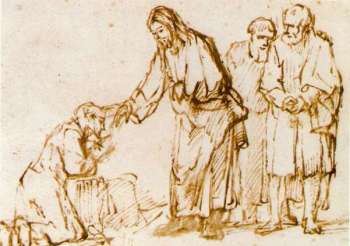 “I am willing,” he said. “Be healed!” And instantly the leprosy disappeared. Then Jesus instructed him not to tell anyone what had happened. He said, “Go to the priest and let him examine you. Take along the offering required in the law of Moses for those who have been healed of leprosy. This will be a public testimony that you have been cleansed.”
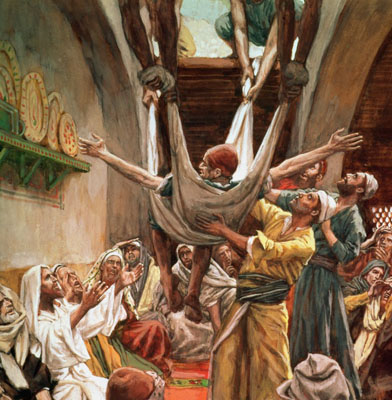 Some men came carrying a paralyzed man on a sleeping mat. They tried to take him inside to Jesus, but they couldn’t reach him because of the crowd. So they went up to the roof and took off some tiles. Then they lowered the sick man on his mat down into the crowd, right in front of Jesus. Seeing their faith, Jesus said to the man, “Young man, your sins are forgiven.”
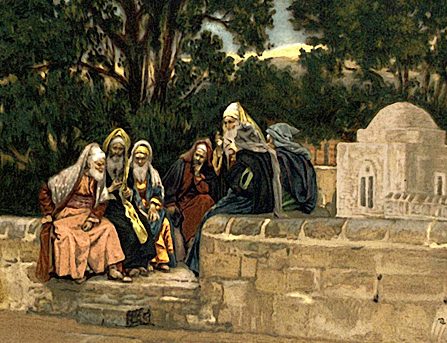 But Jesus knew their thoughts. He said to the man with the deformed hand, “Come and stand in front of everyone.” So the man came forward. Then Jesus said to his critics, “I have a question for you. Does the law permit good deeds on the Sabbath, or is it a day for doing evil? Is this a day to save life or to destroy it?”
 There were people from all over Judea and from Jerusalem and from as far north as the seacoasts of Tyre and Sidon. They had come to hear him and to be healed of their diseases; and those troubled by evil spirits were healed. Everyone tried to touch him, because healing power went out from him, and he healed everyone.
 “But to you who are willing to listen, I say, love your enemies! Do good to those who hate you. Bless those who curse you. Pray for those who hurt you. If someone slaps you on one cheek, offer the other cheek also. If someone demands your coat, offer your shirt also. Give to anyone who asks; and when things are taken away from you, don’t try to get them back. Do to others as you would like them to do to you.
 Give, and you will receive. Your gift will return to you in full—pressed down, shaken together to make room for more, running over, and poured into your lap. The amount you give will determine the amount you get back.”
 “So why do you keep calling me ‘Lord, Lord!’ when you don’t do what I say? I will show you what it’s like when someone comes to me, listens to my teaching, and then follows it. It is like a person building a house who digs deep and lays the foundation on solid rock. When the floodwaters rise and break against that house, it stands firm because it is well built. But anyone who hears and doesn’t obey is like a person who builds a house right on the ground, without a foundation. When the floods sweep down against that house, it will collapse into a heap of ruins.”
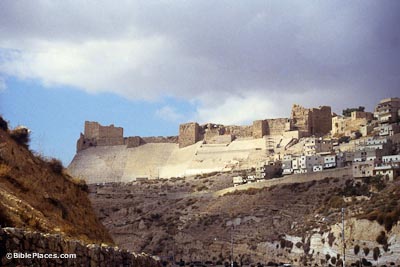
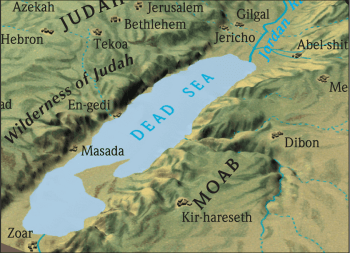


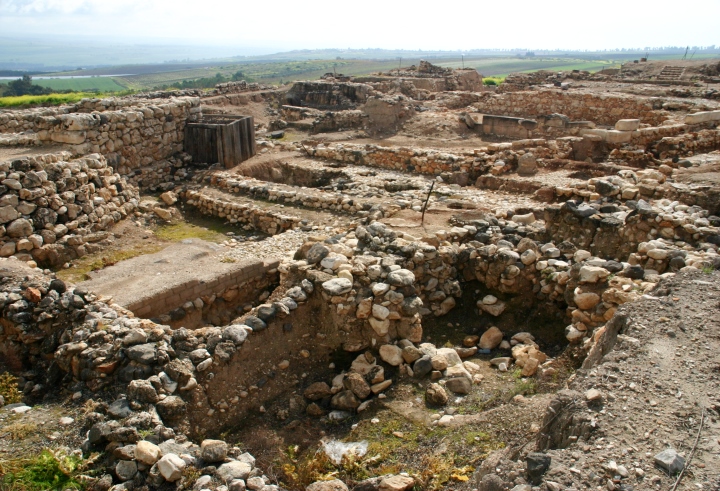
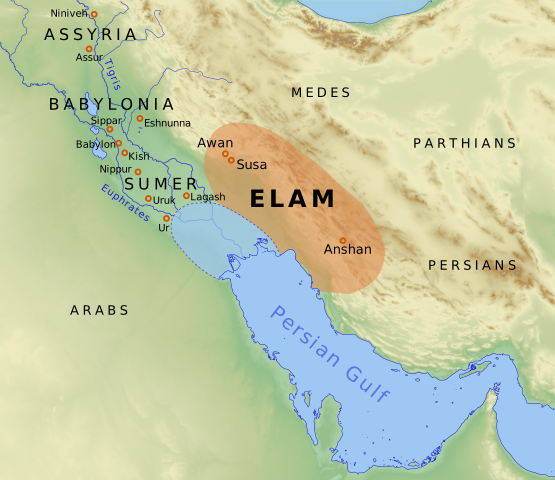


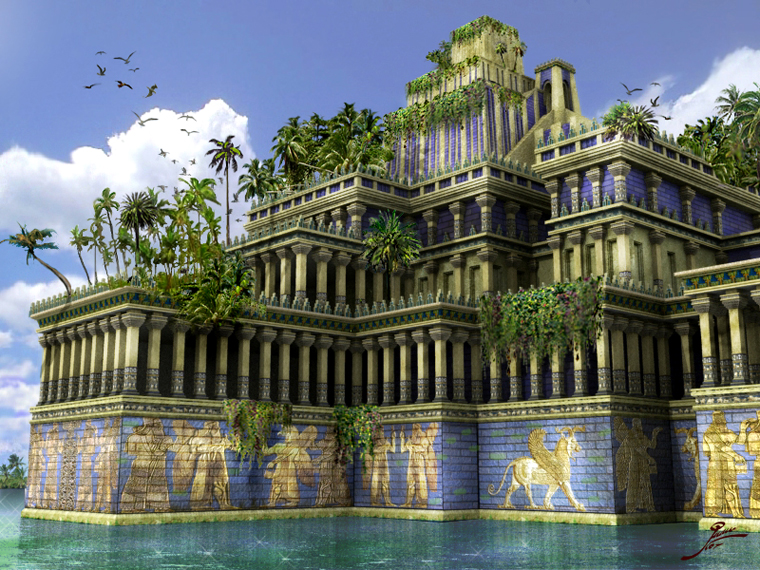
#/media/File:Chaos_Monster_and_Sun_God.png)


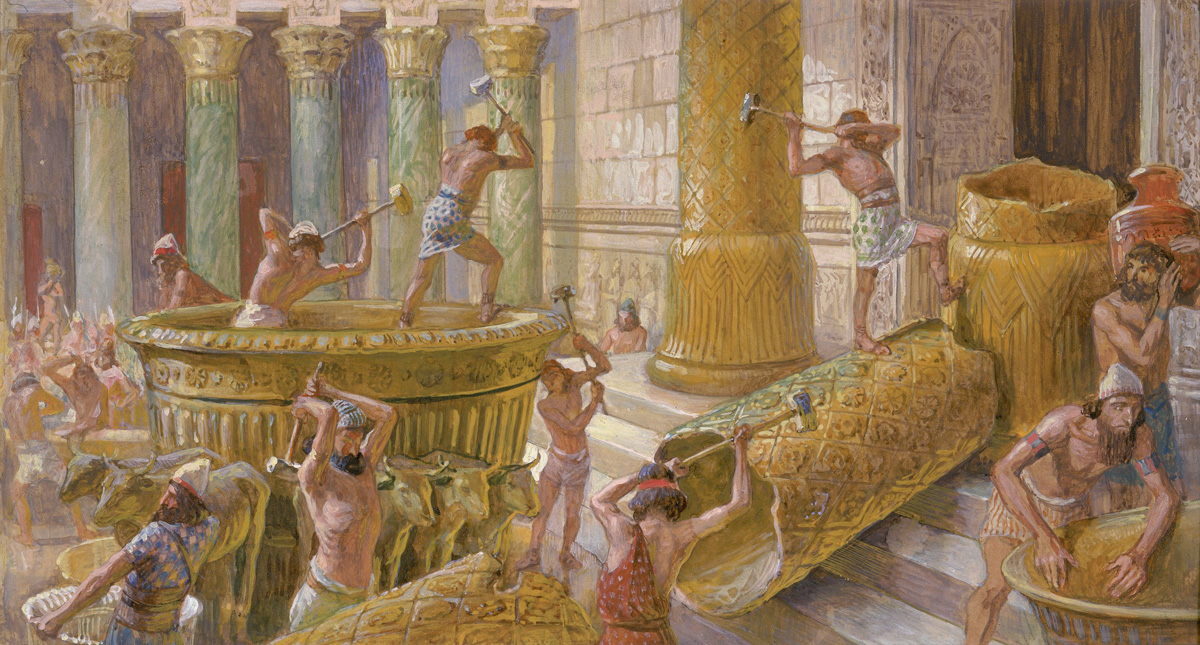



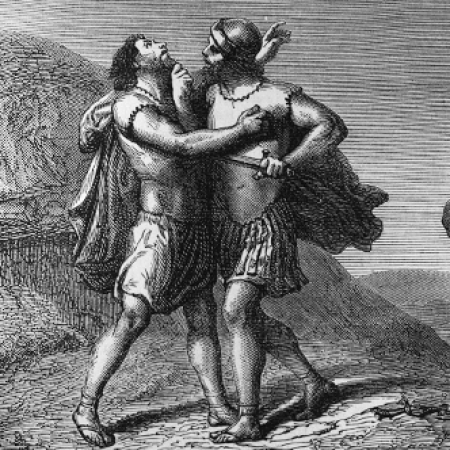

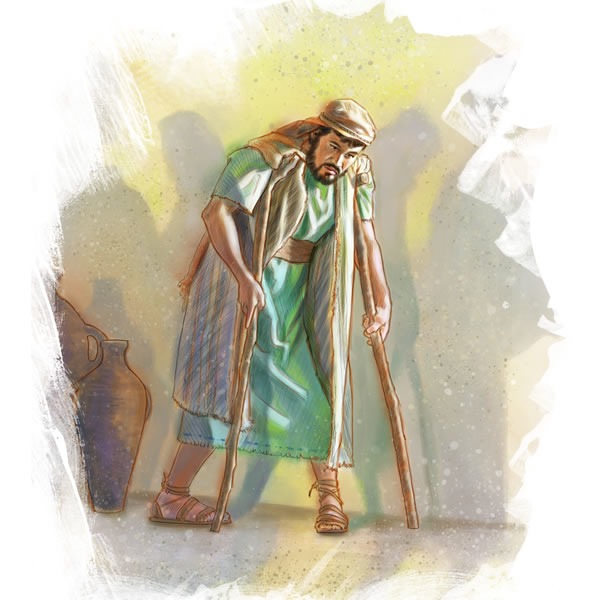
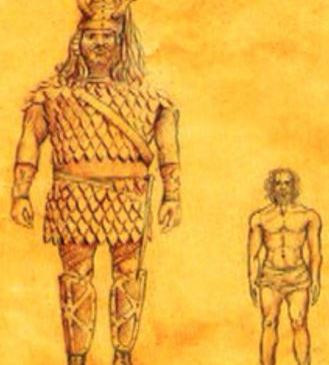



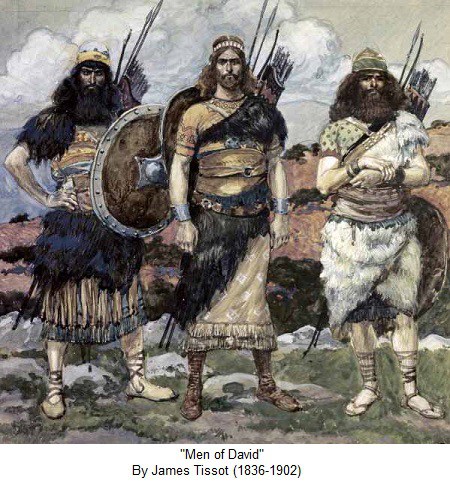
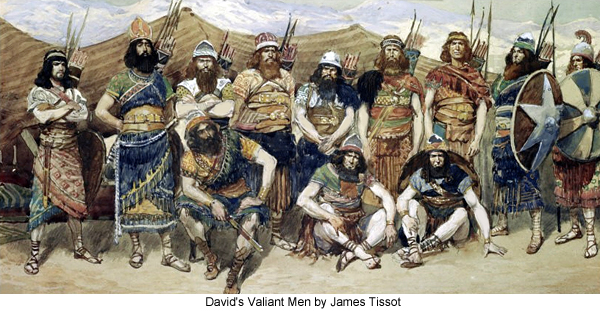


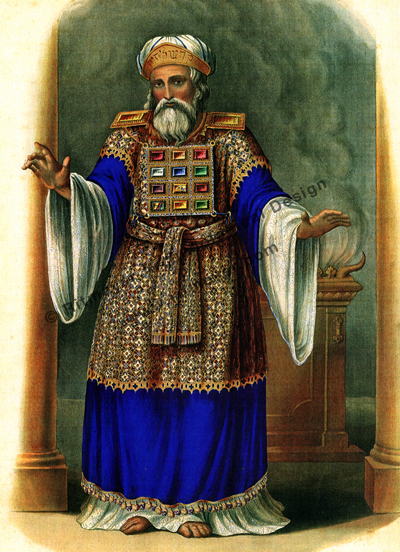

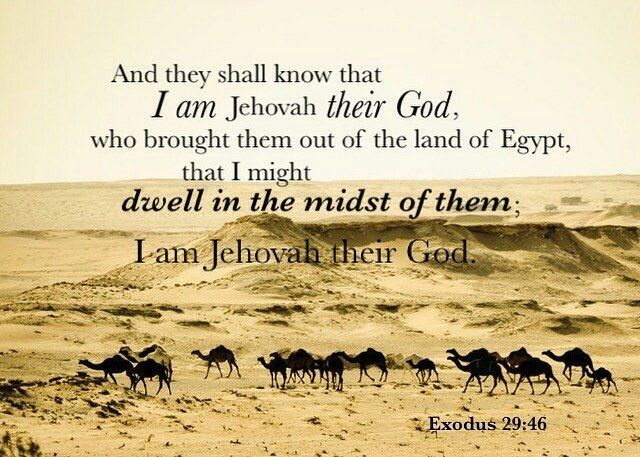


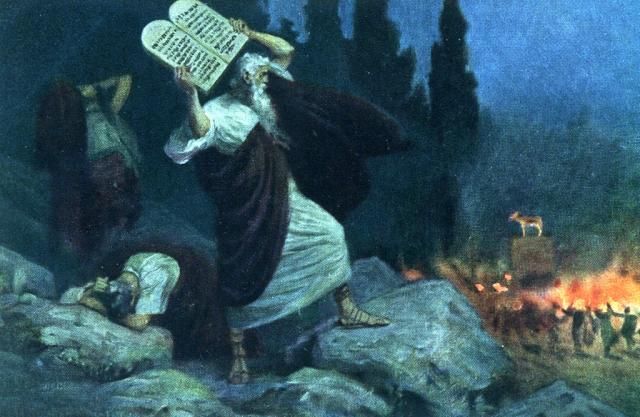
 The Peanut Gallery