Morning Prayer
+ In the name of the Father, and of the Son, and of the Holy Spirit. Amen
Opening sentences – Brendan the Navigator (c. 486-575)
King of the mysteries, will You set watch over me? Christ of the mysteries, can I trust You on the sea?
Have I the courage to leave the familiar and journey into the unknown? to journey beyond the way I have prayed, the life I have lived, the sensible and the secure? to trust You to take me beyond these familiar shores?
Christ of the mysteries, can I trust You on the sea?
Morning readings
John 6:16-21 ESV:

William Brassey Hole
When evening came, his disciples went down to the sea, got into a boat, and started across the sea to Capernaum. It was now dark, and Jesus had not yet come to them. The sea became rough because a strong wind was blowing. When they had rowed about three or four miles, they saw Jesus walking on the sea and coming near the boat, and they were frightened. But he said to them, “It is I; do not be afraid.” Then they were glad to take him into the boat, and immediately the boat was at the land to which they were going.
Reflections / Prayer:
In Jesus’ rescue of his disciples we see yet another example of the divine glory, God’s grace.
Two miracles are recorded that each reveal Jesus as the master over the natural realm – challenging a secular view of the physical realm. The first is his walking on the water to reach the disciples. The second is the way they arrived at Capernaum after taking Jesus into the boat. These nature miracles reveal Jesus’ identity to us: he is God present in our midst, saving his people.
The rescue on the sea shows that he can protect and guide in the midst of great adversity, when we have no control over the forces of chaos. In both cases the physical realm reveals his identity and his loving care.
__________
St Thomas Aquinas – Memorial Day (28 Jan)
To one who has faith, no explanation is necessary. To one without faith, no explanation is possible. – Thomas Aquinas
__________
__________
Canticle:
Christ, as a light… illumine and guide me. Christ, as a shield… overshadow me. Christ under me; Christ over me; Christ beside me on my left and my right.
This day be within and without me, lowly and meek, yet all-powerful. Be in the heart of each to whom I speak; in the mouth of each who speaks unto me. This day be within and without me, lowly and meek, yet all-powerful.
Christ as a light; Christ as a shield; Christ beside me on my left and my right.
Blessing
May the peace of the Lord Christ go with you, wherever He may send you. May He guide you through the wilderness, protect you through the storm. May He bring you home rejoicing at the wonders He has shown you. May He bring you home rejoicing once again into our doors.
+ In the name of the Father, and of the Son, and of the Holy Spirit. Amen
_____________________________________
Peanut Gallery: A brief word of explanation – the general format for Morning Prayer is adapted from the Northumbrian Community‘s Daily Office, as found in Celtic Daily Prayer (see online resources here.) The Scripture readings are primarily from the Gospel of John, with the intent to complete the reading by Easter. Other Scriptures which illuminate the Gospel of John will be included along the way.
Reflections from various saints will be included as their memorial days occur during the calendar year.
On Sundays, I’ll return to the USCCB readings (see online resources here) and various liturgical resources in order to reflect the Church’s worship and concerns throughout the world.
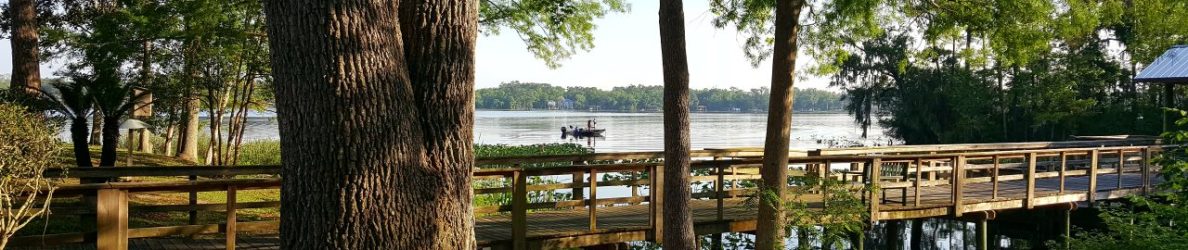
Photo illustrations and music videos, available online, are included as they illustrate or illuminate the readings. I will try to give credit and link to sources as best I can.

 The Peanut Gallery