One thing I have asked of the Lord, this is what I seek: that I may dwell in the house of the Lord all the days of my life; to behold the beauty of the Lord and to seek Him in His temple.
Praise to You, Lord Jesus Christ, King of endless glory.
Reading: Proverbs 2-3 (NLT)
The Benefits of Wisdom
Proverbs 2 (NLT)
My child, listen to what I say, and treasure my commands. Tune your ears to wisdom, and concentrate on understanding. Cry out for insight, and ask for understanding.
Search for them as you would for silver; seek them like hidden treasures. Then you will understand what it means to fear the Lord, and you will gain knowledge of God.
For the Lord grants wisdom! From his mouth come knowledge and understanding.
He grants a treasure of common sense to the honest.
He is a shield to those who walk with integrity.
He guards the paths of the just
and protects those who are faithful to him.
Then you will understand what is right, just, and fair, and you will find the right way to go.
For wisdom will enter your heart, and knowledge will fill you with joy.
Wise choices will watch over you. Understanding will keep you safe.
Wisdom will save you from evil people, from those whose words are twisted.
These men turn from the right way to walk down dark paths.
They take pleasure in doing wrong, and they enjoy the twisted ways of evil.
Their actions are crooked, and their ways are wrong.
Wisdom will save you from the immoral woman, from the seductive words of the promiscuous woman.
She has abandoned her husband and ignores the covenant she made before God.
Entering her house leads to death; it is the road to the grave.
The man who visits her is doomed. He will never reach the paths of life.
So follow the steps of the good, and stay on the paths of the righteous.
For only the godly will live in the land, and those with integrity will remain in it.
But the wicked will be removed from the land, and the treacherous will be uprooted.
Trusting in the Lord
Proverbs 3 (NLT)
My child, never forget the things I have taught you. Store my commands in your heart. If you do this, you will live many years, and your life will be satisfying.
+ Never let loyalty and kindness leave you! Tie them around your neck as a reminder. Write them deep within your heart. Then you will find favor with both God and people, and you will earn a good reputation.
+ Trust in the Lord with all your heart; do not depend on your own understanding. Seek his will in all you do, and he will show you which path to take.
+ Don’t be impressed with your own wisdom. Instead, fear the Lord and turn away from evil. Then you will have healing for your body and strength for your bones.
+ Honor the Lord with your wealth and with the best part of everything you produce. Then he will fill your barns with grain, and your vats will overflow with good wine.
+ My child, don’t reject the Lord’s discipline, and don’t be upset when he corrects you. For the Lord corrects those he loves, just as a father corrects a child in whom he delights.
Joyful is the person who finds wisdom, the one who gains understanding.
For wisdom is more profitable than silver, and her wages are better than gold.
Wisdom is more precious than rubies; nothing you desire can compare with her.
She offers you long life in her right hand, and riches and honor in her left.
She will guide you down delightful paths; all her ways are satisfying.
Wisdom is a tree of life to those who embrace her; happy are those who hold her tightly.
By wisdom the Lord founded the earth; by understanding he created the heavens. By his knowledge the deep fountains of the earth burst forth, and the dew settles beneath the night sky.
My child, don’t lose sight of common sense and discernment. Hang on to them, for they will refresh your soul.
They are like jewels on a necklace.
They keep you safe on your way, and your feet will not stumble.
You can go to bed without fear; you will lie down and sleep soundly.
You need not be afraid of sudden disaster or the destruction that comes upon the wicked, for the Lord is your security. He will keep your foot from being caught in a trap.
Do not withhold good from those who deserve it when it’s in your power to help them. If you can help your neighbor now, don’t say, “Come back tomorrow, and then I’ll help you.”
Don’t plot harm against your neighbor,for those who live nearby trust you.
Don’t pick a fight without reason, when no one has done you harm.
Don’t envy violent people or copy their ways.
Such wicked people are detestable to the Lord, but he offers his friendship to the godly.
The Lord curses the house of the wicked, but he blesses the home of the upright.
The Lord mocks the mockers but is gracious to the humble.
The wise inherit honor, but fools are put to shame!
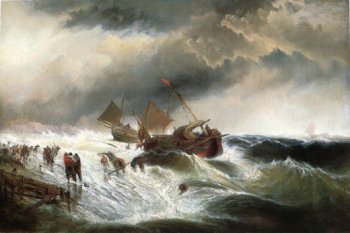
May the peace of the Lord Christ go with you, wherever He may send you. May He guide you through the wilderness, protect you through the storm. May He bring you home rejoicing at the wonders He has shown you. May He bring you home rejoicing once again into our doors.
__________
+ In the name of the Father, and the Son, and the Holy Spirit. Amen!
One thing I have asked of the Lord, this is what I seek: that I may dwell in the house of the Lord all the days of my life; to behold the beauty of the Lord and to seek Him in His temple.
Praise to You, Lord Jesus Christ, King of endless glory.
Reading: 1 Kings 1-4 (NLT)
David in His Old Age
1 Kings 1 (NLT)
King David was now very old, and no matter how many blankets covered him, he could not keep warm. So his advisers told him, “Let us find a young virgin to wait on you and look after you, my lord. She will lie in your arms and keep you warm.”
So they searched throughout the land of Israel for a beautiful girl, and they found Abishag from Shunem and brought her to the king. The girl was very beautiful, and she looked after the king and took care of him. But the king had no sexual relations with her.
Adonijah Claims the Throne
About that time David’s son Adonijah, whose mother was Haggith, began boasting, “I will make myself king.” So he provided himself with chariots and charioteers and recruited fifty men to run in front of him. Now his father, King David, had never disciplined him at any time, even by asking, “Why are you doing that?” Adonijah had been born next after Absalom, and he was very handsome.
Adonijah took Joab son of Zeruiah and Abiathar the priest into his confidence, and they agreed to help him become king. But Zadok the priest, Benaiah son of Jehoiada, Nathan the prophet, Shimei, Rei, and David’s personal bodyguard refused to support Adonijah.
Adonijah went to the Stone of Zoheleth near the spring of En-rogel, where he sacrificed sheep, cattle, and fattened calves. He invited all his brothers—the other sons of King David—and all the royal officials of Judah. But he did not invite Nathan the prophet or Benaiah or the king’s bodyguard or his brother Solomon.
Then Nathan went to Bathsheba, Solomon’s mother, and asked her, “Haven’t you heard that Haggith’s son, Adonijah, has made himself king, and our lord David doesn’t even know about it? If you want to save your own life and the life of your son Solomon, follow my advice. Go at once to King David and say to him, ‘My lord the king, didn’t you make a vow and say to me, “Your son Solomon will surely be the next king and will sit on my throne”? Why then has Adonijah become king?’ And while you are still talking with him, I will come and confirm everything you have said.”
So Bathsheba went into the king’s bedroom. (He was very old now, and Abishag was taking care of him.) Bathsheba bowed down before the king.
“What can I do for you?” he asked her.
She replied, “My lord, you made a vow before the Lord your God when you said to me, ‘Your son Solomon will surely be the next king and will sit on my throne.’ But instead, Adonijah has made himself king, and my lord the king does not even know about it. He has sacrificed many cattle, fattened calves, and sheep, and he has invited all the king’s sons to attend the celebration. He also invited Abiathar the priest and Joab, the commander of the army. But he did not invite your servant Solomon. And now, my lord the king, all Israel is waiting for you to announce who will become king after you. If you do not act, my son Solomon and I will be treated as criminals as soon as my lord the king has died.”
While she was still speaking with the king, Nathan the prophet arrived. The king’s officials told him, “Nathan the prophet is here to see you.”
Nathan went in and bowed before the king with his face to the ground. Nathan asked, “My lord the king, have you decided that Adonijah will be the next king and that he will sit on your throne? Today he has sacrificed many cattle, fattened calves, and sheep, and he has invited all the king’s sons to attend the celebration. He also invited the commanders of the army and Abiathar the priest. They are feasting and drinking with him and shouting, ‘Long live King Adonijah!’ But he did not invite me or Zadok the priest or Benaiah or your servant Solomon. Has my lord the king really done this without letting any of his officials know who should be the next king?”
David Makes Solomon King
King David responded, “Call Bathsheba!” So she came back in and stood before the king. And the king repeated his vow: “As surely as the Lord lives, who has rescued me from every danger, your son Solomon will be the next king and will sit on my throne this very day, just as I vowed to you before the Lord, the God of Israel.”
Then Bathsheba bowed down with her face to the ground before the king and exclaimed, “May my lord King David live forever!”
Then King David ordered, “Call Zadok the priest, Nathan the prophet, and Benaiah son of Jehoiada.” When they came into the king’s presence, the king said to them, “Take Solomon and my officials down to Gihon Spring. Solomon is to ride on my own mule. There Zadok the priest and Nathan the prophet are to anoint him king over Israel. Blow the ram’s horn and shout, ‘Long live King Solomon!’ Then escort him back here, and he will sit on my throne. He will succeed me as king, for I have appointed him to be ruler over Israel and Judah.”
“Amen!” Benaiah son of Jehoiada replied. “May the Lord, the God of my lord the king, decree that it happen. And may the Lord be with Solomon as he has been with you, my lord the king, and may he make Solomon’s reign even greater than yours!”
So Zadok the priest, Nathan the prophet, Benaiah son of Jehoiada, and the king’s bodyguard took Solomon down to Gihon Spring, with Solomon riding on King David’s own mule. There Zadok the priest took the flask of olive oil from the sacred tent and anointed Solomon with the oil. Then they sounded the ram’s horn and all the people shouted, “Long live King Solomon!” And all the people followed Solomon into Jerusalem, playing flutes and shouting for joy. The celebration was so joyous and noisy that the earth shook with the sound.
Adonijah and his guests heard the celebrating and shouting just as they were finishing their banquet. When Joab heard the sound of the ram’s horn, he asked, “What’s going on? Why is the city in such an uproar?”
And while he was still speaking, Jonathan son of Abiathar the priest arrived. “Come in,” Adonijah said to him, “for you are a good man. You must have good news.”
“Not at all!” Jonathan replied. “Our lord King David has just declared Solomon king! The king sent him down to Gihon Spring with Zadok the priest, Nathan the prophet, and Benaiah son of Jehoiada, protected by the king’s bodyguard. They had him ride on the king’s own mule, and Zadok and Nathan have anointed him at Gihon Spring as the new king. They have just returned, and the whole city is celebrating and rejoicing. That’s what all the noise is about. What’s more, Solomon is now sitting on the royal throne as king. And all the royal officials have gone to King David and congratulated him, saying, ‘May your God make Solomon’s fame even greater than your own, and may Solomon’s reign be even greater than yours!’ Then the king bowed his head in worship as he lay in his bed, and he said, ‘Praise the Lord, the God of Israel, who today has chosen a successor to sit on my throne while I am still alive to see it.’”
Then all of Adonijah’s guests jumped up in panic from the banquet table and quickly scattered. Adonijah was afraid of Solomon, so he rushed to the sacred tent and grabbed on to the horns of the altar. Word soon reached Solomon that Adonijah had seized the horns of the altar in fear, and that he was pleading, “Let King Solomon swear today that he will not kill me!”
Solomon replied, “If he proves himself to be loyal, not a hair on his head will be touched. But if he makes trouble, he will die.” So King Solomon summoned Adonijah, and they brought him down from the altar. He came and bowed respectfully before King Solomon, who dismissed him, saying, “Go on home.”
David’s Final Instructions to Solomon
1 Kings 2 (NLT)
As the time of King David’s death approached, he gave this charge to his son Solomon:
“I am going where everyone on earth must someday go. Take courage and be a man. Observe the requirements of the Lord your God, and follow all his ways. Keep the decrees, commands, regulations, and laws written in the Law of Moses so that you will be successful in all you do and wherever you go. If you do this, then the Lord will keep the promise he made to me. He told me, ‘If your descendants live as they should and follow me faithfully with all their heart and soul, one of them will always sit on the throne of Israel.’
“And there is something else. You know what Joab son of Zeruiah did to me when he murdered my two army commanders, Abner son of Ner and Amasa son of Jether. He pretended that it was an act of war, but it was done in a time of peace, staining his belt and sandals with innocent blood. Do with him what you think best, but don’t let him grow old and go to his grave in peace.
“Be kind to the sons of Barzillai of Gilead. Make them permanent guests at your table, for they took care of me when I fled from your brother Absalom.
“And remember Shimei son of Gera, the man from Bahurim in Benjamin. He cursed me with a terrible curse as I was fleeing to Mahanaim. When he came down to meet me at the Jordan River, I swore by the Lord that I would not kill him. But that oath does not make him innocent. You are a wise man, and you will know how to arrange a bloody death for him.”
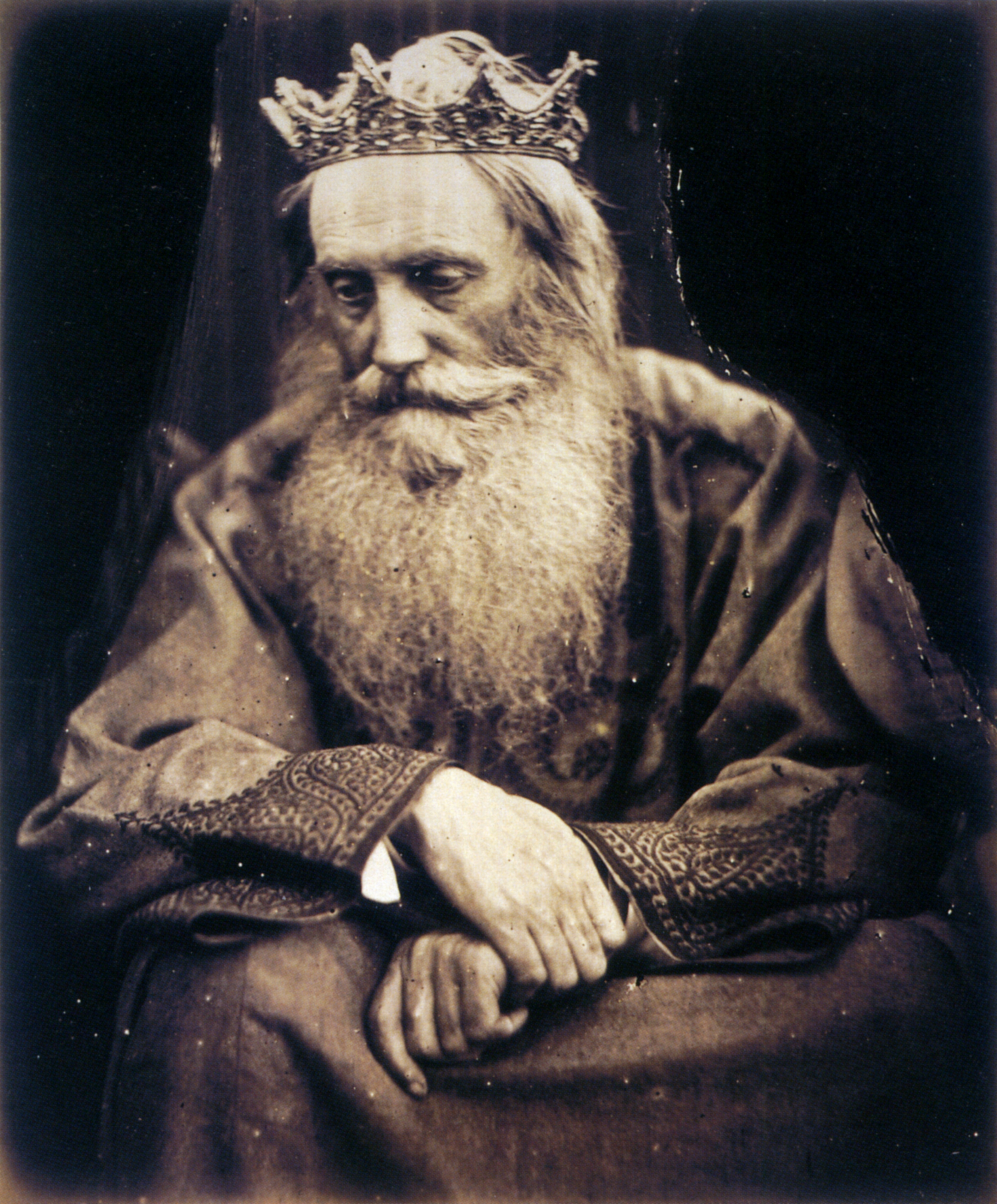
Then David died and was buried with his ancestors in the City of David. David had reigned over Israel for forty years, seven of them in Hebron and thirty-three in Jerusalem. Solomon became king and sat on the throne of David his father, and his kingdom was firmly established.
Solomon Establishes His Rule
One day Adonijah, whose mother was Haggith, came to see Bathsheba, Solomon’s mother. “Have you come with peaceful intentions?” she asked him.
“Yes,” he said, “I come in peace. In fact, I have a favor to ask of you.”
“What is it?” she asked.
He replied, “As you know, the kingdom was rightfully mine; all Israel wanted me to be the next king. But the tables were turned, and the kingdom went to my brother instead; for that is the way the Lord wanted it. So now I have just one favor to ask of you. Please don’t turn me down.”
“What is it?” she asked.
He replied, “Speak to King Solomon on my behalf, for I know he will do anything you request. Ask him to let me marry Abishag, the girl from Shunem.”
“All right,” Bathsheba replied. “I will speak to the king for you.”
So Bathsheba went to King Solomon to speak on Adonijah’s behalf. The king rose from his throne to meet her, and he bowed down before her. When he sat down on his throne again, the king ordered that a throne be brought for his mother, and she sat at his right hand.
“I have one small request to make of you,” she said. “I hope you won’t turn me down.”
“What is it, my mother?” he asked. “You know I won’t refuse you.”
“Then let your brother Adonijah marry Abishag, the girl from Shunem,” she replied.
“How can you possibly ask me to give Abishag to Adonijah?” King Solomon demanded. “You might as well ask me to give him the kingdom! You know that he is my older brother, and that he has Abiathar the priest and Joab son of Zeruiah on his side.”
Then King Solomon made a vow before the Lord: “May God strike me and even kill me if Adonijah has not sealed his fate with this request. The Lord has confirmed me and placed me on the throne of my father, David; he has established my dynasty as he promised. So as surely as the Lord lives, Adonijah will die this very day!” So King Solomon ordered Benaiah son of Jehoiada to execute him, and Adonijah was put to death.
Then the king said to Abiathar the priest, “Go back to your home in Anathoth. You deserve to die, but I will not kill you now, because you carried the Ark of the Sovereign Lord for David my father and you shared all his hardships.” So Solomon deposed Abiathar from his position as priest of the Lord, thereby fulfilling the prophecy the Lord had given at Shiloh concerning the descendants of Eli.
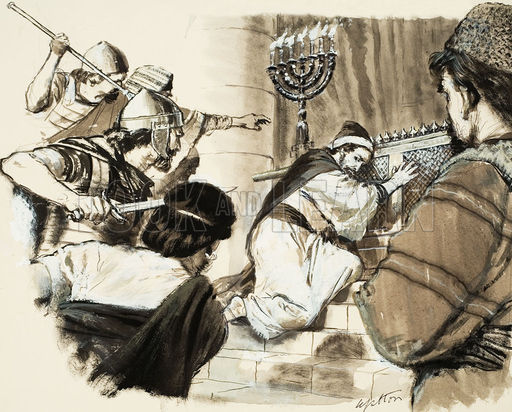
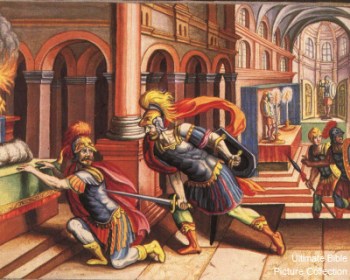
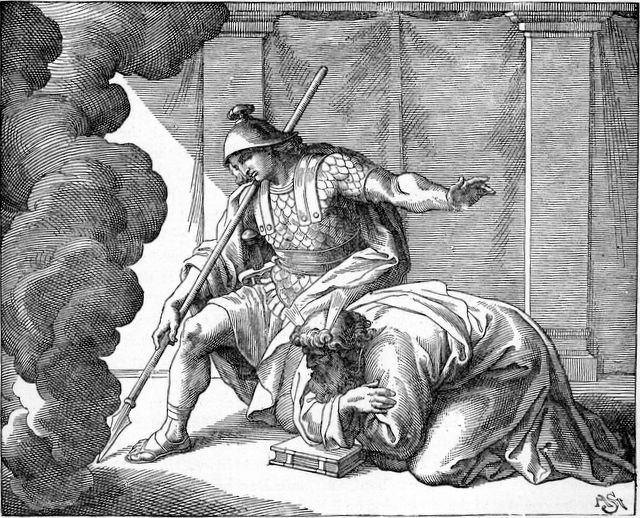
Joab had not joined Absalom’s earlier rebellion, but he had joined Adonijah’s rebellion. So when Joab heard about Adonijah’s death, he ran to the sacred tent of the Lord and grabbed on to the horns of the altar. When this was reported to King Solomon, he sent Benaiah son of Jehoiada to execute him.
Benaiah went to the sacred tent of the Lord and said to Joab, “The king orders you to come out!”
But Joab answered, “No, I will die here.”
So Benaiah returned to the king and told him what Joab had said.
“Do as he said,” the king replied. “Kill him there beside the altar and bury him. This will remove the guilt of Joab’s senseless murders from me and from my father’s family. The Lord will repay him for the murders of two men who were more righteous and better than he. For my father knew nothing about the deaths of Abner son of Ner, commander of the army of Israel, and of Amasa son of Jether, commander of the army of Judah. May their blood be on Joab and his descendants forever, and may the Lord grant peace forever to David, his descendants, his dynasty, and his throne.”
So Benaiah son of Jehoiada returned to the sacred tent and killed Joab, and he was buried at his home in the wilderness. Then the king appointed Benaiah to command the army in place of Joab, and he installed Zadok the priest to take the place of Abiathar.
The king then sent for Shimei and told him, “Build a house here in Jerusalem and live there. But don’t step outside the city to go anywhere else. On the day you so much as cross the Kidron Valley, you will surely die; and your blood will be on your own head.”
Shimei replied, “Your sentence is fair; I will do whatever my lord the king commands.” So Shimei lived in Jerusalem for a long time.
But three years later two of Shimei’s slaves ran away to King Achish son of Maacah of Gath. When Shimei learned where they were, he saddled his donkey and went to Gath to search for them. When he found them, he brought them back to Jerusalem.
Solomon heard that Shimei had left Jerusalem and had gone to Gath and returned. So the king sent for Shimei and demanded, “Didn’t I make you swear by the Lord and warn you not to go anywhere else or you would surely die? And you replied, ‘The sentence is fair; I will do as you say.’ Then why haven’t you kept your oath to the Lord and obeyed my command?”
The king also said to Shimei, “You certainly remember all the wicked things you did to my father, David. May the Lord now bring that evil on your own head. But may I, King Solomon, receive the Lord’s blessings, and may one of David’s descendants always sit on this throne in the presence of the Lord.” Then, at the king’s command, Benaiah son of Jehoiada took Shimei outside and killed him.
So the kingdom was now firmly in Solomon’s grip.
Solomon Asks for Wisdom
1 Kings 3 (NLT)
Solomon made an alliance with Pharaoh, the king of Egypt, and married one of his daughters. He brought her to live in the City of David until he could finish building his palace and the Temple of the Lord and the wall around the city. At that time the people of Israel sacrificed their offerings at local places of worship, for a temple honoring the name of the Lord had not yet been built.
Solomon loved the Lord and followed all the decrees of his father, David, except that Solomon, too, offered sacrifices and burned incense at the local places of worship. The most important of these places of worship was at Gibeon, so the king went there and sacrificed 1,000 burnt offerings. That night the Lord appeared to Solomon in a dream, and God said, “What do you want? Ask, and I will give it to you!”
Solomon replied, “You showed great and faithful love to your servant my father, David, because he was honest and true and faithful to you. And you have continued to show this great and faithful love to him today by giving him a son to sit on his throne.
“Now, O Lord my God, you have made me king instead of my father, David, but I am like a little child who doesn’t know his way around. And here I am in the midst of your own chosen people, a nation so great and numerous they cannot be counted! Give me an understanding heart so that I can govern your people well and know the difference between right and wrong. For who by himself is able to govern this great people of yours?”
The Lord was pleased that Solomon had asked for wisdom. So God replied, “Because you have asked for wisdom in governing my people with justice and have not asked for a long life or wealth or the death of your enemies—I will give you what you asked for! I will give you a wise and understanding heart such as no one else has had or ever will have! And I will also give you what you did not ask for—riches and fame! No other king in all the world will be compared to you for the rest of your life! And if you follow me and obey my decrees and my commands as your father, David, did, I will give you a long life.”
Then Solomon woke up and realized it had been a dream. He returned to Jerusalem and stood before the Ark of the Lord’s Covenant, where he sacrificed burnt offerings and peace offerings. Then he invited all his officials to a great banquet.
Solomon Judges Wisely
Some time later two prostitutes came to the king to have an argument settled. “Please, my lord,” one of them began, “this woman and I live in the same house. I gave birth to a baby while she was with me in the house. Three days later this woman also had a baby. We were alone; there were only two of us in the house.
“But her baby died during the night when she rolled over on it. Then she got up in the night and took my son from beside me while I was asleep. She laid her dead child in my arms and took mine to sleep beside her. And in the morning when I tried to nurse my son, he was dead! But when I looked more closely in the morning light, I saw that it wasn’t my son at all.”
Then the other woman interrupted, “It certainly was your son, and the living child is mine.”
“No,” the first woman said, “the living child is mine, and the dead one is yours.” And so they argued back and forth before the king.
Then the king said, “Let’s get the facts straight. Both of you claim the living child is yours, and each says that the dead one belongs to the other. All right, bring me a sword.” So a sword was brought to the king.
Then he said, “Cut the living child in two, and give half to one woman and half to the other!”
Then the woman who was the real mother of the living child, and who loved him very much, cried out, “Oh no, my lord! Give her the child—please do not kill him!”
But the other woman said, “All right, he will be neither yours nor mine; divide him between us!”
Then the king said, “Do not kill the child, but give him to the woman who wants him to live, for she is his mother!”
When all Israel heard the king’s decision, the people were in awe of the king, for they saw the wisdom God had given him for rendering justice.
Solomon’s Officials and Governors
1 Kings 4 (NLT)
King Solomon now ruled over all Israel, and these were his high officials:
Azariah son of Zadok was the priest.
Elihoreph and Ahijah, the sons of Shisha, were court secretaries.
Jehoshaphat son of Ahilud was the royal historian.
Benaiah son of Jehoiada was commander of the army.
Zadok and Abiathar were priests.
Azariah son of Nathan was in charge of the district governors.
Zabud son of Nathan, a priest, was a trusted adviser to the king.
Ahishar was manager of the palace property.
Adoniram son of Abda was in charge of forced labor.
Solomon also had twelve district governors who were over all Israel. They were responsible for providing food for the king’s household. Each of them arranged provisions for one month of the year. These are the names of the twelve governors:
Ben-hur, in the hill country of Ephraim.
Ben-deker, in Makaz, Shaalbim, Beth-shemesh, and Elon-bethhanan.
Ben-hesed, in Arubboth, including Socoh and all the land of Hepher.
Ben-abinadab, in all of Naphoth-dor. (He was married to Taphath, one of Solomon’s daughters.)
Baana son of Ahilud, in Taanach and Megiddo, all of Beth-shan near Zarethan below Jezreel, and all the territory from Beth-shan to Abel-meholah and over to Jokmeam.
Ben-geber, in Ramoth-gilead, including the Towns of Jair (named for Jair of the tribe of Manasseh in Gilead, and in the Argob region of Bashan, including sixty large fortified towns with bronze bars on their gates.
Ahinadab son of Iddo, in Mahanaim.
Ahimaaz, in Naphtali. (He was married to Basemath, another of Solomon’s daughters.)
Baana son of Hushai, in Asher and in Aloth.
Jehoshaphat son of Paruah, in Issachar.
Shimei son of Ela, in Benjamin.
Geber son of Uri, in the land of Gilead, including the territories of King
Sihon of the Amorites and King Og of Bashan.
There was also one governor over the land of Judah.
Solomon’s Prosperity and Wisdom
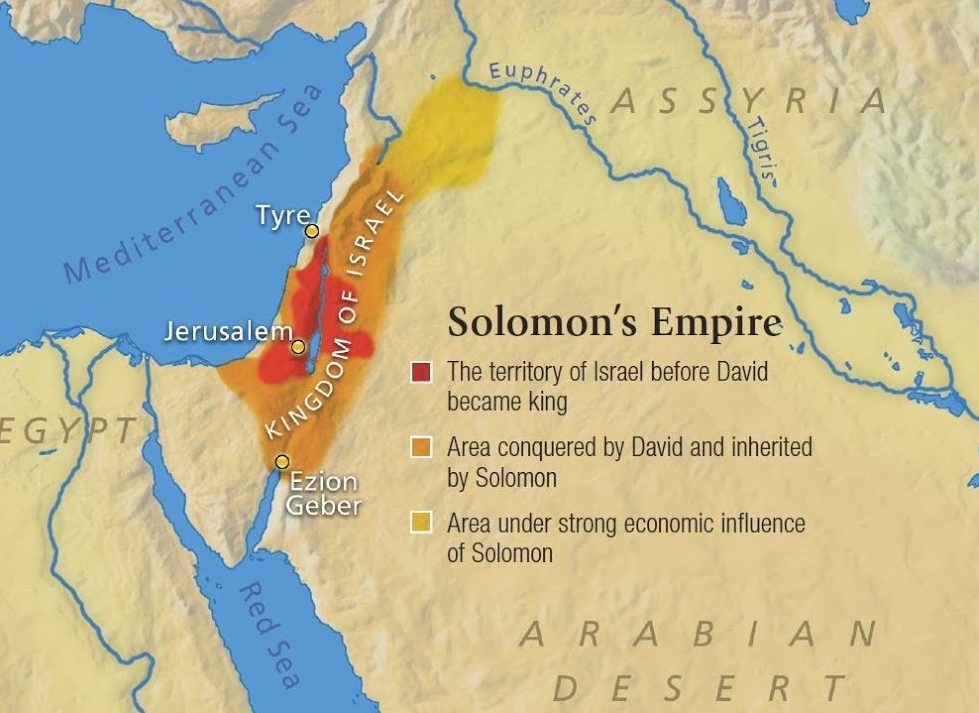
The people of Judah and Israel were as numerous as the sand on the seashore. They were very contented, with plenty to eat and drink. Solomon ruled over all the kingdoms from the Euphrates River in the north to the land of the Philistines and the border of Egypt in the south. The conquered peoples of those lands sent tribute money to Solomon and continued to serve him throughout his lifetime.
The daily food requirements for Solomon’s palace were 150 bushels of choice flour and 300 bushels of meal; also 10 oxen from the fattening pens, 20 pasture-fed cattle, 100 sheep or goats, as well as deer, gazelles, roe deer, and choice poultry.
Solomon’s dominion extended over all the kingdoms west of the Euphrates River, from Tiphsah to Gaza. And there was peace on all his borders. During the lifetime of Solomon, all of Judah and Israel lived in peace and safety. And from Dan in the north to Beersheba in the south, each family had its own home and garden.
Solomon had 4,000 stalls for his chariot horses, and he had 12,000 horses.
The district governors faithfully provided food for King Solomon and his court; each made sure nothing was lacking during the month assigned to him. They also brought the necessary barley and straw for the royal horses in the stables.
God gave Solomon very great wisdom and understanding, and knowledge as vast as the sands of the seashore. In fact, his wisdom exceeded that of all the wise men of the East and the wise men of Egypt. He was wiser than anyone else, including Ethan the Ezrahite and the sons of Mahol—Heman, Calcol, and Darda. His fame spread throughout all the surrounding nations. He composed some 3,000 proverbs and wrote 1,005 songs. He could speak with authority about all kinds of plants, from the great cedar of Lebanon to the tiny hyssop that grows from cracks in a wall. He could also speak about animals, birds, small creatures, and fish. And kings from every nation sent their ambassadors to listen to the wisdom of Solomon.
__________
“Perfect Wisdom of Our God” – Keith and Kristyn Getty
May the peace of the Lord Christ go with you, wherever He may send you. May He guide you through the wilderness, protect you through the storm. May He bring you home rejoicing at the wonders He has shown you. May He bring you home rejoicing once again into our doors.
__________
+ In the name of the Father, and the Son, and the Holy Spirit. Amen!
One thing I have asked of the Lord, this is what I seek: that I may dwell in the house of the Lord all the days of my life; to behold the beauty of the Lord and to seek Him in His temple.
Praise to You, Lord Jesus Christ, King of endless glory.
Reading: Exodus 33-36 (NLT)
Exodus 33 (NLT)
The Lord said to Moses, “Get going, you and the people you brought up from the land of Egypt. Go up to the land I swore to give to Abraham, Isaac, and Jacob. I told them, ‘I will give this land to your descendants.’ And I will send an angel before you to drive out the Canaanites, Amorites, Hittites, Perizzites, Hivites, and Jebusites. Go up to this land that flows with milk and honey. But I will not travel among you, for you are a stubborn and rebellious people. If I did, I would surely destroy you along the way.”
When the people heard these stern words, they went into mourning and stopped wearing their jewelry and fine clothes. For the Lord had told Moses to tell them, “You are a stubborn and rebellious people. If I were to travel with you for even a moment, I would destroy you. Remove your jewelry and fine clothes while I decide what to do with you.” So from the time they left Mount Sinai, the Israelites wore no more jewelry or fine clothes.
It was Moses’ practice to take the Tent of Meeting and set it up some distance from the camp. Everyone who wanted to make a request of the Lord would go to the Tent of Meeting outside the camp.
Whenever Moses went out to the Tent of Meeting, all the people would get up and stand in the entrances of their own tents. They would all watch Moses until he disappeared inside. As he went into the tent, the pillar of cloud would come down and hover at its entrance while the Lord spoke with Moses. When the people saw the cloud standing at the entrance of the tent, they would stand and bow down in front of their own tents. Inside the Tent of Meeting, the Lord would speak to Moses face to face, as one speaks to a friend. Afterward Moses would return to the camp, but the young man who assisted him, Joshua son of Nun, would remain behind in the Tent of Meeting.
Moses Sees the Lord’s Glory
One day Moses said to the Lord, “You have been telling me, ‘Take these people up to the Promised Land.’ But you haven’t told me whom you will send with me. You have told me, ‘I know you by name, and I look favorably on you.’ If it is true that you look favorably on me, let me know your ways so I may understand you more fully and continue to enjoy your favor. And remember that this nation is your very own people.”
The Lord replied, “I will personally go with you, Moses, and I will give you rest—everything will be fine for you.”
Then Moses said, “If you don’t personally go with us, don’t make us leave this place. How will anyone know that you look favorably on me—on me and on your people—if you don’t go with us? For your presence among us sets your people and me apart from all other people on the earth.”
The Lord replied to Moses, “I will indeed do what you have asked, for I look favorably on you, and I know you by name.”
Moses responded, “Then show me your glorious presence.”
The Lord replied, “I will make all my goodness pass before you, and I will call out my name, Yahweh, before you. For I will show mercy to anyone I choose, and I will show compassion to anyone I choose. But you may not look directly at my face, for no one may see me and live.” The Lord continued, “Look, stand near me on this rock. As my glorious presence passes by, I will hide you in the crevice of the rock and cover you with my hand until I have passed by. Then I will remove my hand and let you see me from behind. But my face will not be seen.”
A New Copy of the Covenant
Exodus 34 (NLT)
Then the Lord told Moses, “Chisel out two stone tablets like the first ones. I will write on them the same words that were on the tablets you smashed. Be ready in the morning to climb up Mount Sinai and present yourself to me on the top of the mountain. No one else may come with you. In fact, no one is to appear anywhere on the mountain. Do not even let the flocks or herds graze near the mountain.”
So Moses chiseled out two tablets of stone like the first ones. Early in the morning he climbed Mount Sinai as the Lord had commanded him, and he carried the two stone tablets in his hands.
Then the Lord came down in a cloud and stood there with him; and he called out his own name, Yahweh.The Lord passed in front of Moses, calling out,
“Yahweh! The Lord! The God of compassion and mercy! I am slow to anger and filled with unfailing love and faithfulness. I lavish unfailing love to a thousand generations. I forgive iniquity, rebellion, and sin. But I do not excuse the guilty. I lay the sins of the parents upon their children and grandchildren; the entire family is affected—even children in the third and fourth generations.”
Moses immediately threw himself to the ground and worshiped. And he said, “O Lord, if it is true that I have found favor with you, then please travel with us. Yes, this is a stubborn and rebellious people, but please forgive our iniquity and our sins. Claim us as your own special possession.”
The Lord replied, “Listen, I am making a covenant with you in the presence of all your people. I will perform miracles that have never been performed anywhere in all the earth or in any nation. And all the people around you will see the power of the Lord—the awesome power I will display for you. But listen carefully to everything I command you today. Then I will go ahead of you and drive out the Amorites, Canaanites, Hittites, Perizzites, Hivites, and Jebusites.
“Be very careful never to make a treaty with the people who live in the land where you are going. If you do, you will follow their evil ways and be trapped. Instead, you must break down their pagan altars, smash their sacred pillars, and cut down their Asherah poles. You must worship no other gods, for the Lord, whose very name is Jealous, is a God who is jealous about his relationship with you.
“You must not make a treaty of any kind with the people living in the land. They lust after their gods, offering sacrifices to them. They will invite you to join them in their sacrificial meals, and you will go with them. Then you will accept their daughters, who sacrifice to other gods, as wives for your sons. And they will seduce your sons to commit adultery against me by worshiping other gods. You must not make any gods of molten metal for yourselves.
“You must celebrate the Festival of Unleavened Bread. For seven days the bread you eat must be made without yeast, just as I commanded you. Celebrate this festival annually at the appointed time in early spring, in the month of Abib, for that is the anniversary of your departure from Egypt.
“The firstborn of every animal belongs to me, including the firstborn males[h] from your herds of cattle and your flocks of sheep and goats. A firstborn donkey may be bought back from the Lord by presenting a lamb or young goat in its place. But if you do not buy it back, you must break its neck. However, you must buy back every firstborn son.
“No one may appear before me without an offering.
“You have six days each week for your ordinary work, but on the seventh day you must stop working, even during the seasons of plowing and harvest.
“You must celebrate the Festival of Harvest with the first crop of the wheat harvest, and celebrate the Festival of the Final Harvest at the end of the harvest season. Three times each year every man in Israel must appear before the Sovereign, the Lord, the God of Israel. I will drive out the other nations ahead of you and expand your territory, so no one will covet and conquer your land while you appear before the Lord your God three times each year.
“You must not offer the blood of my sacrificial offerings together with any baked goods containing yeast. And none of the meat of the Passover sacrifice may be kept over until the next morning.
“As you harvest your crops, bring the very best of the first harvest to the house of the Lord your God.
“You must not cook a young goat in its mother’s milk.”
Then the Lord said to Moses, “Write down all these instructions, for they represent the terms of the covenant I am making with you and with Israel.”
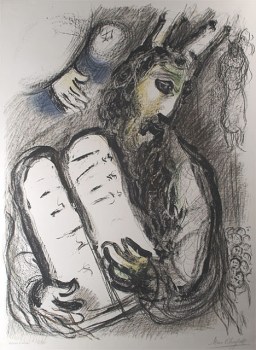
Moses remained there on the mountain with the Lord forty days and forty nights. In all that time he ate no bread and drank no water. And the Lord wrote the terms of the covenant—the Ten Commandments—on the stone tablets.
When Moses came down Mount Sinai carrying the two stone tablets inscribed with the terms of the covenant, he wasn’t aware that his face had become radiant because he had spoken to the Lord. So when Aaron and the people of Israel saw the radiance of Moses’ face, they were afraid to come near him.
But Moses called out to them and asked Aaron and all the leaders of the community to come over, and he talked with them. Then all the people of Israel approached him, and Moses gave them all the instructions the Lord had given him on Mount Sinai. When Moses finished speaking with them, he covered his face with a veil. But whenever he went into the Tent of Meeting to speak with the Lord, he would remove the veil until he came out again. Then he would give the people whatever instructions the Lord had given him, and the people of Israel would see the radiant glow of his face. So he would put the veil over his face until he returned to speak with the Lord.
Instructions for the Sabbath
Exodus 35 (NLT)
Then Moses called together the whole community of Israel and told them, “These are the instructions the Lord has commanded you to follow. You have six days each week for your ordinary work, but the seventh day must be a Sabbath day of complete rest, a holy day dedicated to the Lord. Anyone who works on that day must be put to death. You must not even light a fire in any of your homes on the Sabbath.”
Offerings for the Tabernacle
Then Moses said to the whole community of Israel, “This is what the Lord has commanded: Take a sacred offering for the Lord. Let those with generous hearts present the following gifts to the Lord:
gold, silver, and bronze; blue, purple, and scarlet thread; fine linen and goat hair for cloth; tanned ram skins and fine goatskin leather; acacia wood; olive oil for the lamps; spices for the anointing oil and the fragrant incense; onyx stones, and other gemstones to be set in the ephod and the priest’s chestpiece.
“Come, all of you who are gifted craftsmen. Construct everything that the Lord has commanded:
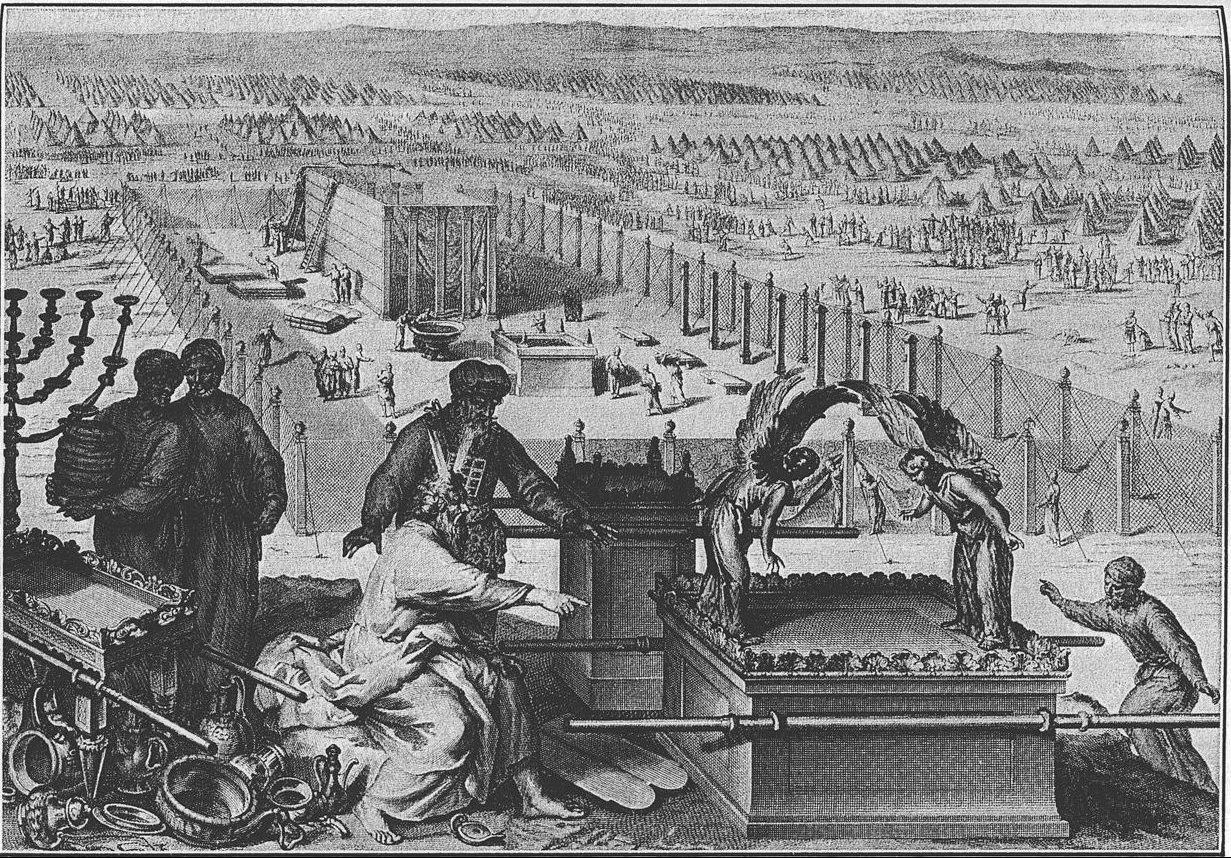
the Tabernacle and its sacred tent, its covering, clasps, frames, crossbars, posts, and bases; the Ark and its carrying poles; the Ark’s cover—the place of atonement; the inner curtain to shield the Ark; the table, its carrying poles, and all its utensils; the Bread of the Presence; or light, the lampstand, its accessories, the lamp cups, and the olive oil for lighting; the incense altar and its carrying poles; the anointing oil and fragrant incense; the curtain for the entrance of the Tabernacle; the altar of burnt offering; the bronze grating of the altar and its carrying poles and utensils; the washbasin with its stand; the curtains for the walls of the courtyard; the posts and their bases; the curtain for the entrance to the courtyard; the tent pegs of the Tabernacle and courtyard and their ropes; the beautifully stitched garments for the priests to wear while ministering in the Holy Place—the sacred garments for Aaron the priest, and the garments for his sons to wear as they minister as priests.”
So the whole community of Israel left Moses and returned to their tents. All whose hearts were stirred and whose spirits were moved came and brought their sacred offerings to the Lord. They brought all the materials needed for the Tabernacle, for the performance of its rituals, and for the sacred garments. Both men and women came, all whose hearts were willing. They brought to the Lord their offerings of gold—brooches, earrings, rings from their fingers, and necklaces. They presented gold objects of every kind as a special offering to the Lord. All those who owned the following items willingly brought them: blue, purple, and scarlet thread; fine linen and goat hair for cloth; and tanned ram skins and fine goatskin leather. And all who had silver and bronze objects gave them as a sacred offering to the Lord. And those who had acacia wood brought it for use in the project.
All the women who were skilled in sewing and spinning prepared blue, purple, and scarlet thread, and fine linen cloth. All the women who were willing used their skills to spin the goat hair into yarn. The leaders brought onyx stones and the special gemstones to be set in the ephod and the priest’s chestpiece. They also brought spices and olive oil for the light, the anointing oil, and the fragrant incense. So the people of Israel—every man and woman who was eager to help in the work the Lord had given them through Moses—brought their gifts and gave them freely to the Lord.
Then Moses told the people of Israel, “The Lord has specifically chosen Bezalel son of Uri, grandson of Hur, of the tribe of Judah. The Lord has filled Bezalel with the Spirit of God, giving him great wisdom, ability, and expertise in all kinds of crafts. He is a master craftsman, expert in working with gold, silver, and bronze. He is skilled in engraving and mounting gemstones and in carving wood. He is a master at every craft. And the Lord has given both him and Oholiab son of Ahisamach, of the tribe of Dan, the ability to teach their skills to others. The Lord has given them special skills as engravers, designers, embroiderers in blue, purple, and scarlet thread on fine linen cloth, and weavers. They excel as craftsmen and as designers.
Exodus 36 (NLT)
“The Lord has gifted Bezalel, Oholiab, and the other skilled craftsmen with wisdom and ability to perform any task involved in building the sanctuary. Let them construct and furnish the Tabernacle, just as the Lord has commanded.”
So Moses summoned Bezalel and Oholiab and all the others who were specially gifted by the Lord and were eager to get to work. Moses gave them the materials donated by the people of Israel as sacred offerings for the completion of the sanctuary. But the people continued to bring additional gifts each morning. Finally the craftsmen who were working on the sanctuary left their work. They went to Moses and reported, “The people have given more than enough materials to complete the job the Lord has commanded us to do!”
So Moses gave the command, and this message was sent throughout the camp: “Men and women, don’t prepare any more gifts for the sanctuary. We have enough!” So the people stopped bringing their sacred offerings. Their contributions were more than enough to complete the whole project.
Building the Tabernacle
The skilled craftsmen made ten curtains of finely woven linen for the Tabernacle. Then Bezalel decorated the curtains with blue, purple, and scarlet thread and with skillfully embroidered cherubim. All ten curtains were exactly the same size—42 feet long and 6 feet wide. Five of these curtains were joined together to make one long curtain, and the other five were joined to make a second long curtain. He made fifty loops of blue yarn and put them along the edge of the last curtain in each set. The fifty loops along the edge of one curtain matched the fifty loops along the edge of the other curtain. Then he made fifty gold clasps and fastened the long curtains together with the clasps. In this way, the Tabernacle was made of one continuous piece.
He made eleven curtains of goat-hair cloth to serve as a tent covering for the Tabernacle. These eleven curtains were all exactly the same size—45 feet long and 6 feet wide. Bezalel joined five of these curtains together to make one long curtain, and the other six were joined to make a second long curtain. He made fifty loops for the edge of each large curtain. He also made fifty bronze clasps to fasten the long curtains together. In this way, the tent covering was made of one continuous piece. He completed the tent covering with a layer of tanned ram skins and a layer of fine goatskin leather.
For the framework of the Tabernacle, Bezalel constructed frames of acacia wood. Each frame was 15 feet high and 27 inches wide, with two pegs under each frame. All the frames were identical. He made twenty of these frames to support the curtains on the south side of the Tabernacle. He also made forty silver bases—two bases under each frame, with the pegs fitting securely into the bases. For the north side of the Tabernacle, he made another twenty frames, with their forty silver bases, two bases under each frame. He made six frames for the rear—the west side of the Tabernacle— along with two additional frames to reinforce the rear corners of the Tabernacle. These corner frames were matched at the bottom and firmly attached at the top with a single ring, forming a single corner unit. Both of these corner units were made the same way. So there were eight frames at the rear of the Tabernacle, set in sixteen silver bases—two bases under each frame.
Then he made crossbars of acacia wood to link the frames, five crossbars for the north side of the Tabernacle and five for the south side. He also made five crossbars for the rear of the Tabernacle, which faced west. He made the middle crossbar to attach halfway up the frames; it ran all the way from one end of the Tabernacle to the other. He overlaid the frames with gold and made gold rings to hold the crossbars. Then he overlaid the crossbars with gold as well.
For the inside of the Tabernacle, Bezalel made a special curtain of finely woven linen. He decorated it with blue, purple, and scarlet thread and with skillfully embroidered cherubim. For the curtain, he made four posts of acacia wood and four gold hooks. He overlaid the posts with gold and set them in four silver bases.
Then he made another curtain for the entrance to the sacred tent. He made it of finely woven linen and embroidered it with exquisite designs using blue, purple, and scarlet thread. This curtain was hung on gold hooks attached to five posts. The posts with their decorated tops and hooks were overlaid with gold, and the five bases were cast from bronze.
__________
May the peace of the Lord Christ go with you, wherever He may send you. May He guide you through the wilderness, protect you through the storm. May He bring you home rejoicing at the wonders He has shown you. May He bring you home rejoicing once again into our doors.
__________
+ In the name of the Father, and the Son, and the Holy Spirit. Amen!
+ In the name of the Father, and the Son, and the Holy Spirit. Amen!
Opening Prayer
Almighty and everlasting God, you have given us your grace, by confession of faith, to acknowledge your glory – revealed as Father, Son and Spirit – and, in the power of your Majesty, to worship your Unity: Keep us steadfast in this faith and worship, and bring us at last to see you in your one and eternal glory, O Father; who with the Son and the Holy Spirit live and reign, one God, for ever and ever. Amen.
__________
“Holy Holy Holy” – The Brooklyn Tabernacle Choir
__________
Gospel Reading: Matthew 28:16-20 (NLT)
Then the eleven disciples left for Galilee, going to the mountain where Jesus had told them to go. When they saw him, they worshiped him—but some of them doubted!
Jesus came and told his disciples, “I have been given all authority in heaven and on earth. Therefore, go and make disciples of all the nations, baptizing them in the name of the Father and the Son and the Holy Spirit. Teach these new disciples to obey all the commands I have given you. And be sure of this: I am with you always, even to the end of the age.”
__________
Prayers of Intercession:
Lord our God – Father ,Son, and Spirit: you made us and honor us with dignity and loving-kindness; hear our prayers –
+ That all who go out in your name may proclaim Christ’s love with power and conviction….
+ That all who are baptized in the name of the Father, Son, and Spirit may grow in faith….
+ That all who confirm, or re-confirm, their faith may be guided by the Holy Spirit….
+ That all believers who suffer for their faith in Christ may have courage and perseverance….
+ That all who face year-end school exams may receive results reflecting their abilities….
+ That all who are sick may experience your comfort and healing power….
+ That all who have died in Christ may be welcomed into his endless Kingdom….
Lord our God, Creator of all that is, Redeemer of the world, Sanctifier of your people, hear our prayers, and grant us the mercy and grace in our times we need, through Christ our Lord. Amen.
__________
“Hineini (Here Am I)” – Joshua Aaron
__________
Blessing – Romans 8:14-17 (NLT)
All who are led by the Spirit of God are children of God.
So you have not received a spirit that makes you fearful slaves. Instead, you received God’s Spirit when he adopted you as his own children. Now we call him, “Abba, Father.” For his Spirit joins with our spirit to affirm that we are God’s children. And since we are his children, we are his heirs. In fact, together with Christ we are heirs of God’s glory. But if we are to share his glory, we must also share his suffering.
__________
+ In the name of the Father, and the Son, and the Holy Spirit. Amen!
One thing I have asked of the Lord, this is what I seek: that I may dwell in the house of the Lord all the days of my life; to behold the beauty of the Lord and to seek Him in His temple.
Praise to You, Lord Jesus Christ, King of endless glory.
Reading: 2 Corinthians 11-13 (NLT)
Paul and the False Apostles
2 Corinthians 11 (NLT)
+ A different Jesus – I hope you will put up with a little more of my foolishness. Please bear with me. For I am jealous for you with the jealousy of God himself. I promised you as a pure bride to one husband—Christ. But I fear that somehow your pure and undivided devotion to Christ will be corrupted, just as Eve was deceived by the cunning ways of the serpent. You happily put up with whatever anyone tells you, even if they preach a different Jesus than the one we preach, or a different kind of Spirit than the one you received, or a different kind of gospel than the one you believed.
But I don’t consider myself inferior in any way to these “super apostles” who teach such things. I may be unskilled as a speaker, but I’m not lacking in knowledge. We have made this clear to you in every possible way.
+ A financial burden – Was I wrong when I humbled myself and honored you by preaching God’s Good News to you without expecting anything in return? I “robbed” other churches by accepting their contributions so I could serve you at no cost. And when I was with you and didn’t have enough to live on, I did not become a financial burden to anyone. For the brothers who came from Macedonia brought me all that I needed. I have never been a burden to you, and I never will be. As surely as the truth of Christ is in me, no one in all of Greece will ever stop me from boasting about this. Why? Because I don’t love you? God knows that I do.
+ Fake servants of righteousness – But I will continue doing what I have always done. This will undercut those who are looking for an opportunity to boast that their work is just like ours. These people are false apostles. They are deceitful workers who disguise themselves as apostles of Christ. But I am not surprised! Even Satan disguises himself as an angel of light. So it is no wonder that his servants also disguise themselves as servants of righteousness. In the end they will get the punishment their wicked deeds deserve.
Paul’s Many Trials
+ You suffer fools – Again I say, don’t think that I am a fool to talk like this. But even if you do, listen to me, as you would to a foolish person, while I also boast a little. Such boasting is not from the Lord, but I am acting like a fool. And since others boast about their human achievements, I will, too. After all, you think you are so wise, but you enjoy putting up with fools! You put up with it when someone enslaves you, takes everything you have, takes advantage of you, takes control of everything, and slaps you in the face. I’m ashamed to say that we’ve been too “weak” to do that!
+ I suffer for Christ – But whatever they dare to boast about—I’m talking like a fool again—I dare to boast about it, too. Are they Hebrews? So am I. Are they Israelites? So am I. Are they descendants of Abraham? So am I. Are they servants of Christ? I know I sound like a madman, but I have served him far more! I have worked harder, been put in prison more often, been whipped times without number, and faced death again and again. Five different times the Jewish leaders gave me thirty-nine lashes. Three times I was beaten with rods. Once I was stoned. Three times I was shipwrecked. Once I spent a whole night and a day adrift at sea. I have traveled on many long journeys. I have faced danger from rivers and from robbers. I have faced danger from my own people, the Jews, as well as from the Gentiles. I have faced danger in the cities, in the deserts, and on the seas. And I have faced danger from men who claim to be believers but are not. I have worked hard and long, enduring many sleepless nights. I have been hungry and thirsty and have often gone without food. I have shivered in the cold, without enough clothing to keep me warm.
+ Daily burden for all the churches – Then, besides all this, I have the daily burden of my concern for all the churches. Who is weak without my feeling that weakness? Who is led astray, and I do not burn with anger?
+ I boast in my weakness – If I must boast, I would rather boast about the things that show how weak I am. God, the Father of our Lord Jesus, who is worthy of eternal praise, knows I am not lying. When I was in Damascus, the governor under King Aretas kept guards at the city gates to catch me. I had to be lowered in a basket through a window in the city wall to escape from him.
Paul’s Vision and His Thorn in the Flesh
2 Corinthians 12 (NLT)
+ Vision of paradise – This boasting will do no good, but I must go on. I will reluctantly tell about visions and revelations from the Lord. I was caught up to the third heaven fourteen years ago. Whether I was in my body or out of my body, I don’t know—only God knows. Yes, only God knows whether I was in my body or outside my body. But I do know that I was caught up to paradise and heard things so astounding that they cannot be expressed in words, things no human is allowed to tell.
+ Humbled by torment – That experience is worth boasting about, but I’m not going to do it. I will boast only about my weaknesses. If I wanted to boast, I would be no fool in doing so, because I would be telling the truth. But I won’t do it, because I don’t want anyone to give me credit beyond what they can see in my life or hear in my message, even though I have received such wonderful revelations from God. So to keep me from becoming proud, I was given a thorn in my flesh, a messenger from Satan to torment me and keep me from becoming proud.
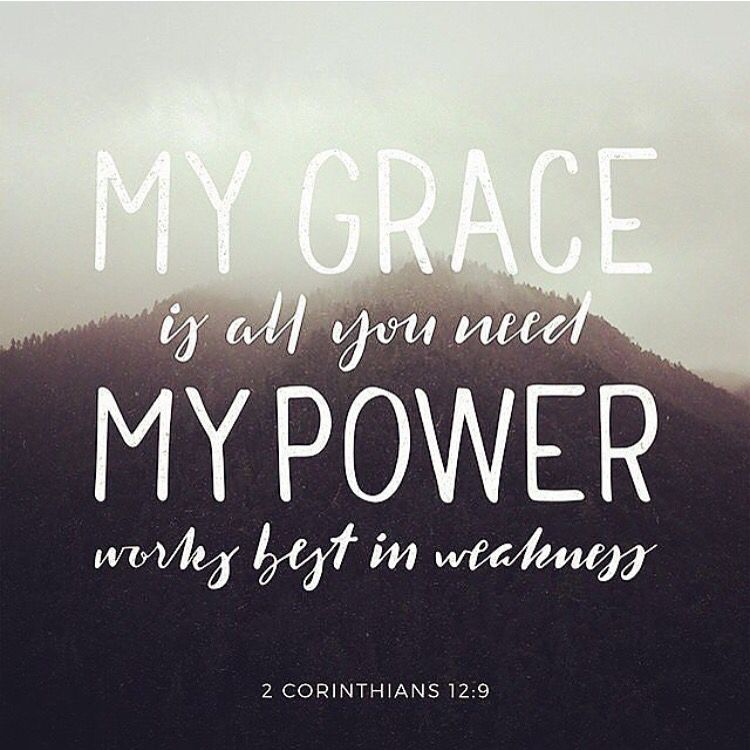
+ Power in weakness – Three different times I begged the Lord to take it away. Each time he said, “My grace is all you need. My power works best in weakness.” So now I am glad to boast about my weaknesses, so that the power of Christ can work through me. That’s why I take pleasure in my weaknesses, and in the insults, hardships, persecutions, and troubles that I suffer for Christ. For when I am weak, then I am strong.
Paul’s Concern for the Corinthians
+ Apostolic proof – You have made me act like a fool. You ought to be writing commendations for me, for I am not at all inferior to these “super apostles,” even though I am nothing at all. When I was with you, I certainly gave you proof that I am an apostle. For I patiently did many signs and wonders and miracles among you. The only thing I failed to do, which I do in the other churches, was to become a financial burden to you. Please forgive me for this wrong!
+ My burden is for you – Now I am coming to you for the third time, and I will not be a burden to you. I don’t want what you have—I want you. After all, children don’t provide for their parents. Rather, parents provide for their children. I will gladly spend myself and all I have for you, even though it seems that the more I love you, the less you love me.
+ Not for your financial support – Some of you admit I was not a burden to you. But others still think I was sneaky and took advantage of you by trickery. But how? Did any of the men I sent to you take advantage of you? When I urged Titus to visit you and sent our other brother with him, did Titus take advantage of you? No! For we have the same spirit and walk in each other’s steps, doing things the same way.
+ My intent is to strengthen you – Perhaps you think we’re saying these things just to defend ourselves. No, we tell you this as Christ’s servants, and with God as our witness. Everything we do, dear friends, is to strengthen you. For I am afraid that when I come I won’t like what I find, and you won’t like my response. I am afraid that I will find quarreling, jealousy, anger, selfishness, slander, gossip, arrogance, and disorderly behavior. Yes, I am afraid that when I come again, God will humble me in your presence. And I will be grieved because many of you have not given up your old sins. You have not repented of your impurity, sexual immorality, and eagerness for lustful pleasure.
Paul’s Final Advice
2 Corinthians 13 (NLT)
+ Warning for sinners – This is the third time I am coming to visit you (and as the Scriptures say, “The facts of every case must be established by the testimony of two or three witnesses” I have already warned those who had been sinning when I was there on my second visit. Now I again warn them and all others, just as I did before, that next time I will not spare them.
+ Proof of apostleship – I will give you all the proof you want that Christ speaks through me. Christ is not weak when he deals with you; he is powerful among you. Although he was crucified in weakness, he now lives by the power of God. We, too, are weak, just as Christ was, but when we deal with you we will be alive with him and will have God’s power.
+ Test yourselves – Examine yourselves to see if your faith is genuine. Test yourselves. Surely you know that Jesus Christ is among you; if not, you have failed the test of genuine faith. As you test yourselves, I hope you will recognize that we have not failed the test of apostolic authority.
+ Receive correction – We pray to God that you will not do what is wrong by refusing our correction. I hope we won’t need to demonstrate our authority when we arrive. Do the right thing before we come—even if that makes it look like we have failed to demonstrate our authority. For we cannot oppose the truth, but must always stand for the truth. We are glad to seem weak if it helps show that you are actually strong. We pray that you will become mature.
+ Be prepared – I am writing this to you before I come, hoping that I won’t need to deal severely with you when I do come. For I want to use the authority the Lord has given me to strengthen you, not to tear you down.
Paul’s Final Greetings
Dear brothers and sisters, I close my letter with these last words: Be joyful. Grow to maturity. Encourage each other. Live in harmony and peace. Then the God of love and peace will be with you.
Greet each other with a sacred kiss. All of God’s people here send you their greetings.
May the grace of the Lord Jesus Christ, the love of God, and the fellowship of the Holy Spirit be with you all.
__________
May the peace of the Lord Christ go with you, wherever He may send you. May He guide you through the wilderness, protect you through the storm. May He bring you home rejoicing at the wonders He has shown you. May He bring you home rejoicing once again into our doors.
__________
+ In the name of the Father, and the Son, and the Holy Spirit. Amen!

 My child, listen to what I say, and treasure my commands. Tune your ears to wisdom, and concentrate on understanding. Cry out for insight, and ask for understanding.
 Write them deep within your heart. Then you will find favor with both God and people, and you will earn a good reputation.


 So Benaiah son of Jehoiada returned to the sacred tent and killed Joab, and he was buried at his home in the wilderness. Then the king appointed Benaiah to command the army in place of Joab, and he installed Zadok the priest to take the place of Abiathar.




 The Peanut Gallery