One thing I have asked of the Lord, this is what I seek: that I may dwell in the house of the Lord all the days of my life; to behold the beauty of the Lord and to seek Him in His temple.
Praise to You, Lord Jesus Christ, King of endless glory.
Reading: Mark 11-12 (NLT)
Jesus’ Triumphant Entry
Mark 11 (NLT)
As Jesus and his disciples approached Jerusalem, they came to the towns of Bethphage and Bethany on the Mount of Olives. Jesus sent two of them on ahead. “Go into that village over there,” he told them. “As soon as you enter it, you will see a young donkey tied there that no one has ever ridden. Untie it and bring it here. If anyone asks, ‘What are you doing?’ just say, ‘The Lord needs it and will return it soon.’”
The two disciples left and found the colt standing in the street, tied outside the front door. As they were untying it, some bystanders demanded, “What are you doing, untying that colt?” They said what Jesus had told them to say, and they were permitted to take it. Then they brought the colt to Jesus and threw their garments over it, and he sat on it.
Many in the crowd spread their garments on the road ahead of him, and others spread leafy branches they had cut in the fields. Jesus was in the center of the procession, and the people all around him were shouting,
“Praise God! Blessings on the one who comes in the name of the Lord! Blessings on the coming Kingdom of our ancestor David! Praise God in highest heaven!”
So Jesus came to Jerusalem and went into the Temple. After looking around carefully at everything, he left because it was late in the afternoon. Then he returned to Bethany with the twelve disciples.
Jesus Curses the Fig Tree
The next morning as they were leaving Bethany, Jesus was hungry. He noticed a fig tree in full leaf a little way off, so he went over to see if he could find any figs. But there were only leaves because it was too early in the season for fruit. Then Jesus said to the tree, “May no one ever eat your fruit again!” And the disciples heard him say it.
Jesus Clears the Temple
When they arrived back in Jerusalem, Jesus entered the Temple and began to drive out the people buying and selling animals for sacrifices. He knocked over the tables of the money changers and the chairs of those selling doves, and he stopped everyone from using the Temple as a marketplace. He said to them, “The Scriptures declare, ‘My Temple will be called a house of prayer for all nations,’ but you have turned it into a den of thieves.”
When the leading priests and teachers of religious law heard what Jesus had done, they began planning how to kill him. But they were afraid of him because the people were so amazed at his teaching.
That evening Jesus and the disciples left the city.
The next morning as they passed by the fig tree he had cursed, the disciples noticed it had withered from the roots up. Peter remembered what Jesus had said to the tree on the previous day and exclaimed, “Look, Rabbi! The fig tree you cursed has withered and died!”
Then Jesus said to the disciples, “Have faith in God. I tell you the truth, you can say to this mountain, ‘May you be lifted up and thrown into the sea,’ and it will happen. But you must really believe it will happen and have no doubt in your heart. I tell you, you can pray for anything, and if you believe that you’ve received it, it will be yours. But when you are praying, first forgive anyone you are holding a grudge against, so that your Father in heaven will forgive your sins, too.”
The Authority of Jesus Challenged
Again they entered Jerusalem. As Jesus was walking through the Temple area, the leading priests, the teachers of religious law, and the elders came up to him. They demanded, “By what authority are you doing all these things? Who gave you the right to do them?”
“I’ll tell you by what authority I do these things if you answer one question,” Jesus replied. “Did John’s authority to baptize come from heaven, or was it merely human? Answer me!”
They talked it over among themselves. “If we say it was from heaven, he will ask why we didn’t believe John. But do we dare say it was merely human?” For they were afraid of what the people would do, because everyone believed that John was a prophet. So they finally replied, “We don’t know.”
And Jesus responded, “Then I won’t tell you by what authority I do these things.”
Parable of the Evil Farmers
Mark 12 (NLT)
Then Jesus began teaching them with stories: “A man planted a vineyard. He built a wall around it, dug a pit for pressing out the grape juice, and built a lookout tower. Then he leased the vineyard to tenant farmers and moved to another country. At the time of the grape harvest, he sent one of his servants to collect his share of the crop. But the farmers grabbed the servant, beat him up, and sent him back empty-handed. The owner then sent another servant, but they insulted him and beat him over the head. The next servant he sent was killed. Others he sent were either beaten or killed, until there was only one left—his son whom he loved dearly. The owner finally sent him, thinking, ‘Surely they will respect my son.’
“But the tenant farmers said to one another, ‘Here comes the heir to this estate. Let’s kill him and get the estate for ourselves!’ So they grabbed him and murdered him and threw his body out of the vineyard.
“What do you suppose the owner of the vineyard will do?” Jesus asked. “I’ll tell you—he will come and kill those farmers and lease the vineyard to others. Didn’t you ever read this in the Scriptures?
‘The stone that the builders rejected has now become the cornerstone. This is the Lord’s doing, and it is wonderful to see.’”
The religious leaders wanted to arrest Jesus because they realized he was telling the story against them—they were the wicked farmers. But they were afraid of the crowd, so they left him and went away.
Taxes for Caesar
Later the leaders sent some Pharisees and supporters of Herod to trap Jesus into saying something for which he could be arrested. “Teacher,” they said, “we know how honest you are. You are impartial and don’t play favorites. You teach the way of God truthfully. Now tell us—is it right to pay taxes to Caesar or not? Should we pay them, or shouldn’t we?”
Jesus saw through their hypocrisy and said, “Why are you trying to trap me? Show me a Roman coin, and I’ll tell you.” When they handed it to him, he asked, “Whose picture and title are stamped on it?”
“Caesar’s,” they replied.
“Well, then,” Jesus said, “give to Caesar what belongs to Caesar, and give to God what belongs to God.”
His reply completely amazed them.
Discussion about Resurrection
Then Jesus was approached by some Sadducees—religious leaders who say there is no resurrection from the dead. They posed this question: “Teacher, Moses gave us a law that if a man dies, leaving a wife without children, his brother should marry the widow and have a child who will carry on the brother’s name. Well, suppose there were seven brothers. The oldest one married and then died without children. So the second brother married the widow, but he also died without children. Then the third brother married her. This continued with all seven of them, and still there were no children. Last of all, the woman also died. So tell us, whose wife will she be in the resurrection? For all seven were married to her.”
Jesus replied, “Your mistake is that you don’t know the Scriptures, and you don’t know the power of God. For when the dead rise, they will neither marry nor be given in marriage. In this respect they will be like the angels in heaven.
“But now, as to whether the dead will be raised—haven’t you ever read about this in the writings of Moses, in the story of the burning bush? Long after Abraham, Isaac, and Jacob had died, God said to Moses, ‘I am the God of Abraham, the God of Isaac, and the God of Jacob.’ So he is the God of the living, not the dead. You have made a serious error.”
The Most Important Commandment
One of the teachers of religious law was standing there listening to the debate. He realized that Jesus had answered well, so he asked, “Of all the commandments, which is the most important?”
Jesus replied, “The most important commandment is this: ‘Listen, O Israel! The Lord our God is the one and only Lord. And you must love the Lord your God with all your heart, all your soul, all your mind, and all your strength.’ The second is equally important: ‘Love your neighbor as yourself.’ No other commandment is greater than these.”
The teacher of religious law replied, “Well said, Teacher. You have spoken the truth by saying that there is only one God and no other. And I know it is important to love him with all my heart and all my understanding and all my strength, and to love my neighbor as myself. This is more important than to offer all of the burnt offerings and sacrifices required in the law.”
Realizing how much the man understood, Jesus said to him, “You are not far from the Kingdom of God.” And after that, no one dared to ask him any more questions.
Whose Son Is the Messiah?
Later, as Jesus was teaching the people in the Temple, he asked, “Why do the teachers of religious law claim that the Messiah is the son of David? For David himself, speaking under the inspiration of the Holy Spirit, said,
‘The Lord said to my Lord, Sit in the place of honor at my right hand until I humble your enemies beneath your feet.’
Since David himself called the Messiah ‘my Lord,’ how can the Messiah be his son?” The large crowd listened to him with great delight.
Jesus also taught: “Beware of these teachers of religious law! For they like to parade around in flowing robes and receive respectful greetings as they walk in the marketplaces. And how they love the seats of honor in the synagogues and the head table at banquets. Yet they shamelessly cheat widows out of their property and then pretend to be pious by making long prayers in public. Because of this, they will be more severely punished.”
The Widow’s Offering
Jesus sat down near the collection box in the Temple and watched as the crowds dropped in their money. Many rich people put in large amounts. Then a poor widow came and dropped in two small coins.
Jesus called his disciples to him and said, “I tell you the truth, this poor widow has given more than all the others who are making contributions. For they gave a tiny part of their surplus, but she, poor as she is, has given everything she had to live on.”
__________
“A Christian’s Daily Prayer” – Prayers of the Saints Live
May the peace of the Lord Christ go with you, wherever He may send you. May He guide you through the wilderness, protect you through the storm. May He bring you home rejoicing at the wonders He has shown you. May He bring you home rejoicing once again into our doors.
__________
+ In the name of the Father, and the Son, and the Holy Spirit. Amen!
One thing I have asked of the Lord, this is what I seek: that I may dwell in the house of the Lord all the days of my life; to behold the beauty of the Lord and to seek Him in His temple.
Praise to You, Lord Jesus Christ, King of endless glory.
Reading: Jeremiah 22-26 (NLT)
A Message for Judah’s Kings
Jeremiah 22 (NLT)
+ Repent and return – This is what the Lord said to me: “Go over and speak directly to the king of Judah. Say to him, ‘Listen to this message from the Lord, you king of Judah, sitting on David’s throne. Let your attendants and your people listen, too. This is what the Lord says: Be fair-minded and just. Do what is right! Help those who have been robbed; rescue them from their oppressors. Quit your evil deeds! Do not mistreat foreigners, orphans, and widows. Stop murdering the innocent! If you obey me, there will always be a descendant of David sitting on the throne here in Jerusalem. The king will ride through the palace gates in chariots and on horses, with his parade of attendants and subjects. But if you refuse to pay attention to this warning, I swear by my own name, says the Lord, that this palace will become a pile of rubble.’”
A Message about the Palace
Now this is what the Lord says concerning Judah’s royal palace:
+ A wreck and ruin – “I love you as much as fruitful Gilead and the green forests of Lebanon. But I will turn you into a desert, with no one living within your walls. I will call for wreckers, who will bring out their tools to dismantle you. They will tear out all your fine cedar beams and throw them on the fire.
“People from many nations will pass by the ruins of this city and say to one another, ‘Why did the Lord destroy such a great city?’ And the answer will be, ‘Because they violated their covenant with the Lord their God by worshiping other gods.’”
A Message about Jehoahaz
+ Dead and gone – Do not weep for the dead king or mourn his loss. Instead, weep for the captive king being led away! For he will never return to see his native land again.
For this is what the Lord says about Jehoahaz, who succeeded his father, King Josiah, and was taken away as a captive: “He will never return. He will die in a distant land and will never again see his own country.”
A Message about Jehoiakim
+ Buildings don’t make kings – And the Lord says, “What sorrow awaits Jehoiakim, who builds his palace with forced labor. He builds injustice into its walls, for he makes his neighbors work for nothing. He does not pay them for their labor. He says, ‘I will build a magnificent palace with huge rooms and many windows. I will panel it throughout with fragrant cedar and paint it a lovely red.’ But a beautiful cedar palace does not make a great king! Your father, Josiah, also had plenty to eat and drink. But he was just and right in all his dealings. That is why God blessed him. He gave justice and help to the poor and needy, and everything went well for him. Isn’t that what it means to know me?” says the Lord.
“But you! You have eyes only for greed and dishonesty! You murder the innocent, oppress the poor, and reign ruthlessly.”
Therefore, this is what the Lord says about Jehoiakim, son of King Josiah:
+ No one will mourn you – “The people will not mourn for him, crying to one another, ‘Alas, my brother! Alas, my sister!’ His subjects will not mourn for him, crying, ‘Alas, our master is dead! Alas, his splendor is gone!’ He will be buried like a dead donkey—dragged out of Jerusalem and dumped outside the gates! Weep for your allies in Lebanon. Shout for them in Bashan. Search for them in the regions east of the river. See, they are all destroyed. Not one is left to help you. I warned you when you were prosperous, but you replied, ‘Don’t bother me.’ You have been that way since childhood—you simply will not obey me! And now the wind will blow away your allies. All your friends will be taken away as captives. Surely then you will see your wickedness and be ashamed. It may be nice to live in a beautiful palace paneled with wood from the cedars of Lebanon, but soon you will groan with pangs of anguish—anguish like that of a woman in labor.
A Message for Jehoiachin
+ Abandoned and expelled – “As surely as I live,” says the Lord, “I will abandon you, Jehoiachin son of Jehoiakim, king of Judah. Even if you were the signet ring on my right hand, I would pull you off. I will hand you over to those who seek to kill you, those you so desperately fear—to King Nebuchadnezzar of Babylon and the mighty Babylonian army. I will expel you and your mother from this land, and you will die in a foreign country, not in your native land. You will never again return to the land you yearn for.
+ Broken and discarded – “Why is this man Jehoiachin like a discarded, broken jar? Why are he and his children to be exiled to a foreign land? O earth, earth, earth! Listen to this message from the Lord! This is what the Lord says: ‘Let the record show that this man Jehoiachin was childless. He is a failure, for none of his children will succeed him on the throne of David to rule over Judah.’
The Righteous Descendant
Jeremiah 23 (NLT)
+ Judgement on old shepherds – “What sorrow awaits the leaders of my people—the shepherds of my sheep—for they have destroyed and scattered the very ones they were expected to care for,” says the Lord.
+ Appointment of new shepherds – Therefore, this is what the Lord, the God of Israel, says to these shepherds: “Instead of caring for my flock and leading them to safety, you have deserted them and driven them to destruction. Now I will pour out judgment on you for the evil you have done to them. But I will gather together the remnant of my flock from the countries where I have driven them. I will bring them back to their own sheepfold, and they will be fruitful and increase in number. Then I will appoint responsible shepherds who will care for them, and they will never be afraid again. Not a single one will be lost or missing. I, the Lord, have spoken!
+ The Lord Our Righteousness – “For the time is coming,” says the Lord, “when I will raise up a righteous descendant from King David’s line. He will be a King who rules with wisdom. He will do what is just and right throughout the land. And this will be his name: ‘The Lord Is Our Righteousness.’ In that day Judah will be saved, and Israel will live in safety.
“In that day,” says the Lord, “when people are taking an oath, they will no longer say, ‘As surely as the Lord lives, who rescued the people of Israel from the land of Egypt.’ Instead, they will say, ‘As surely as the Lord lives, who brought the people of Israel back to their own land from the land of the north and from all the countries to which he had exiled them.’ Then they will live in their own land.”
Judgment on False Prophets
My heart is broken because of the false prophets, and my bones tremble. I stagger like a drunkard, like someone overcome by wine, because of the holy words the Lord has spoken against them. For the land is full of adultery, and it lies under a curse. The land itself is in mourning—its wilderness pastures are dried up. For they all do evil and abuse what power they have.
+ Wicked priests and prophets – “Even the priests and prophets are ungodly, wicked men. I have seen their despicable acts right here in my own Temple,” says the Lord. “Therefore, the paths they take will become slippery. They will be chased through the dark, and there they will fall. For I will bring disaster upon them at the time fixed for their punishment. I, the Lord, have spoken!
“I saw that the prophets of Samaria were terribly evil, for they prophesied in the name of Baal and led my people of Israel into sin. But now I see that the prophets of Jerusalem are even worse! They commit adultery and love dishonesty. They encourage those who are doing evil so that no one turns away from their sins. These prophets are as wicked as the people of Sodom and Gomorrah once were.”
Therefore, this is what the Lord of Heaven’s Armies says concerning the prophets:
“I will feed them with bitterness and give them poison to drink. For it is because of Jerusalem’s prophets that wickedness has filled this land.”
This is what the Lord of Heaven’s Armies says to his people:
“Do not listen to these prophets when they prophesy to you, filling you with futile hopes. They are making up everything they say. They do not speak for the Lord! They keep saying to those who despise my word, ‘Don’t worry! The Lord says you will have peace!’ And to those who stubbornly follow their own desires, they say, ‘No harm will come your way!’
+ God’s anger – “Have any of these prophets been in the Lord’s presence to hear what he is really saying? Has even one of them cared enough to listen? Look! The Lord’s anger bursts out like a storm, a whirlwind that swirls down on the heads of the wicked. The anger of the Lord will not diminish until it has finished all he has planned. In the days to come you will understand all this very clearly.
“I have not sent these prophets, yet they run around claiming to speak for me. I have given them no message, yet they go on prophesying. If they had stood before me and listened to me, they would have spoken my words, and they would have turned my people from their evil ways and deeds. Am I a God who is only close at hand?” says the Lord. “No, I am far away at the same time. Can anyone hide from me in a secret place? Am I not everywhere in all the heavens and earth?” says the Lord.
+ Lies and deceit – “I have heard these prophets say, ‘Listen to the dream I had from God last night.’ And then they proceed to tell lies in my name. How long will this go on? If they are prophets, they are prophets of deceit, inventing everything they say. By telling these false dreams, they are trying to get my people to forget me, just as their ancestors did by worshiping the idols of Baal.
“Let these false prophets tell their dreams, but let my true messengers faithfully proclaim my every word. There is a difference between straw and grain! Does not my word burn like fire?” says the Lord. “Is it not like a mighty hammer that smashes a rock to pieces?
+ I didn’t send them – “Therefore,” says the Lord, “I am against these prophets who steal messages from each other and claim they are from me. I am against these smooth-tongued prophets who say, ‘This prophecy is from the Lord!’ I am against these false prophets. Their imaginary dreams are flagrant lies that lead my people into sin. I did not send or appoint them, and they have no message at all for my people. I, the Lord, have spoken!
False Prophecies and False Prophets
+ Abandoned – “Suppose one of the people or one of the prophets or priests asks you, ‘What prophecy has the Lord burdened you with now?’ You must reply, ‘You are the burden! The Lord says he will abandon you!’
+ Punished – “If any prophet, priest, or anyone else says, ‘I have a prophecy from the Lord,’ I will punish that person along with his entire family. You should keep asking each other, ‘What is the Lord’s answer?’ or ‘What is the Lord saying?’ But stop using this phrase, ‘prophecy from the Lord.’ For people are using it to give authority to their own ideas, turning upside down the words of our God, the living God, the Lord of Heaven’s Armies.
+ Forgotten – “This is what you should say to the prophets: ‘What is the Lord’s answer?’ or ‘What is the Lord saying?’ But suppose they respond, ‘This is a prophecy from the Lord!’ Then you should say, ‘This is what the Lord says: Because you have used this phrase, “prophecy from the Lord,” even though I warned you not to use it, I will forget you completely. I will expel you from my presence, along with this city that I gave to you and your ancestors. And I will make you an object of ridicule, and your name will be infamous throughout the ages.’”
Good and Bad Figs
Jeremiah 24 (NLT)
After King Nebuchadnezzar of Babylon exiled Jehoiachin son of Jehoiakim, king of Judah, to Babylon along with the officials of Judah and all the craftsmen and artisans, the Lord gave me this vision. I saw two baskets of figs placed in front of the Lord’s Temple in Jerusalem. One basket was filled with fresh, ripe figs, while the other was filled with bad figs that were too rotten to eat.
Then the Lord said to me, “What do you see, Jeremiah?”
I replied, “Figs, some very good and some very bad, too rotten to eat.”
+ The exiles will return – Then the Lord gave me this message: “This is what the Lord, the God of Israel, says: The good figs represent the exiles I sent from Judah to the land of the Babylonians. I will watch over and care for them, and I will bring them back here again. I will build them up and not tear them down. I will plant them and not uproot them. I will give them hearts that recognize me as the Lord. They will be my people, and I will be their God, for they will return to me wholeheartedly.
+ King and officials will vanish – “But the bad figs,” the Lord said, “represent King Zedekiah of Judah, his officials, all the people left in Jerusalem, and those who live in Egypt. I will treat them like bad figs, too rotten to eat. I will make them an object of horror and a symbol of evil to every nation on earth. They will be disgraced and mocked, taunted and cursed, wherever I scatter them. And I will send war, famine, and disease until they have vanished from the land of Israel, which I gave to them and their ancestors.”
Seventy Years of Captivity
Jeremiah 25 (NLT)
This message for all the people of Judah came to Jeremiah from the Lord during the fourth year of Jehoiakim’s reign over Judah. This was the year when King Nebuchadnezzar of Babylon began his reign.
+ Twenty-three years of warning – Jeremiah the prophet said to all the people in Judah and Jerusalem, “For the past twenty-three years—from the thirteenth year of the reign of Josiah son of Amon, king of Judah, until now—the Lord has been giving me his messages. I have faithfully passed them on to you, but you have not listened.
+ Repentance and return – “Again and again the Lord has sent you his servants, the prophets, but you have not listened or even paid attention. Each time the message was this: ‘Turn from the evil road you are traveling and from the evil things you are doing. Only then will I let you live in this land that the Lord gave to you and your ancestors forever. Do not provoke my anger by worshiping idols you made with your own hands. Then I will not harm you.’
+ Refusal and ruin – “But you would not listen to me,” says the Lord. “You made me furious by worshiping idols you made with your own hands, bringing on yourselves all the disasters you now suffer. And now the Lord of Heaven’s Armies says: Because you have not listened to me, I will gather together all the armies of the north under King Nebuchadnezzar of Babylon, whom I have appointed as my deputy. I will bring them all against this land and its people and against the surrounding nations. I will completely destroy you and make you an object of horror and contempt and a ruin forever. I will take away your happy singing and laughter. The joyful voices of bridegrooms and brides will no longer be heard. Your millstones will fall silent, and the lights in your homes will go out. This entire land will become a desolate wasteland. Israel and her neighboring lands will serve the king of Babylon for seventy years.
+ Destruction of Babylonians – “Then, after the seventy years of captivity are over, I will punish the king of Babylon and his people for their sins,” says the Lord. “I will make the country of the Babylonians a wasteland forever. I will bring upon them all the terrors I have promised in this book—all the penalties announced by Jeremiah against the nations. Many nations and great kings will enslave the Babylonians, just as they enslaved my people. I will punish them in proportion to the suffering they cause my people.”
The Cup of the Lord’s Anger
This is what the Lord, the God of Israel, said to me: “Take from my hand this cup filled to the brim with my anger, and make all the nations to whom I send you drink from it. When they drink from it, they will stagger, crazed by the warfare I will send against them.”
+ God’s message of wrath – So I took the cup of anger from the Lord and made all the nations drink from it—every nation to which the Lord sent me. I went to Jerusalem and the other towns of Judah, and their kings and officials drank from the cup. From that day until this, they have been a desolate ruin, an object of horror, contempt, and cursing. I gave the cup to Pharaoh, king of Egypt, his attendants, his officials, and all his people, along with all the foreigners living in that land. I also gave it to all the kings of the land of Uz and the kings of the Philistine cities of Ashkelon, Gaza, Ekron, and what remains of Ashdod. Then I gave the cup to the nations of Edom, Moab, and Ammon, and the kings of Tyre and Sidon, and the kings of the regions across the sea. I gave it to Dedan, Tema, and Buz, and to the people who live in distant places. I gave it to the kings of Arabia, the kings of the nomadic tribes of the desert, and to the kings of Zimri, Elam, and Media. And I gave it to the kings of the northern countries, far and near, one after the other—all the kingdoms of the world. And finally, the king of Babylon himself drank from the cup of the Lord’s anger.
+ God’s declaration of war – Then the Lord said to me, “Now tell them, ‘This is what the Lord of Heaven’s Armies, the God of Israel, says: Drink from this cup of my anger. Get drunk and vomit; fall to rise no more, for I am sending terrible wars against you.’ And if they refuse to accept the cup, tell them, ‘The Lord of Heaven’s Armies says: You have no choice but to drink from it. I have begun to punish Jerusalem, the city that bears my name. Now should I let you go unpunished? No, you will not escape disaster. I will call for war against all the nations of the earth. I, the Lord of Heaven’s Armies, have spoken!’
“Now prophesy all these things, and say to them,
+ God’s declaration of judgement – “‘The Lord will roar against his own land from his holy dwelling in heaven. He will shout like those who tread grapes; he will shout against everyone on earth. His cry of judgment will reach the ends of the earth, for the Lord will bring his case against all the nations. He will judge all the people of the earth, slaughtering the wicked with the sword. I, the Lord, have spoken!’”
This is what the Lord of Heaven’s Armies says:
+ God’s declaration of disaster – “Look! Disaster will fall upon nation after nation! A great whirlwind of fury is rising
from the most distant corners of the earth!”
+ God’s punishment of evil shepherds – In that day those the Lord has slaughtered will fill the earth from one end to the other. No one will mourn for them or gather up their bodies to bury them. They will be scattered on the ground like manure. Weep and moan, you evil shepherds! Roll in the dust, you leaders of the flock! The time of your slaughter has arrived; you will fall and shatter like a fragile vase. You will find no place to hide; there will be no way to escape. Listen to the frantic cries of the shepherds. The leaders of the flock are wailing in despair, for the Lord is ruining their pastures. Peaceful meadows will be turned into a wasteland by the Lord’s fierce anger. He has left his den like a strong lion seeking its prey, and their land will be made desolate by the sword of the enemy and the Lord’s fierce anger.
Jeremiah’s Escape from Death
Jeremiah 26 (NLT)
This message came to Jeremiah from the Lord early in the reign of Jehoiakim son of Josiah, king of Judah. “This is what the Lord says: Stand in the courtyard in front of the Temple of the Lord, and make an announcement to the people who have come there to worship from all over Judah. Give them my entire message; include every word. Perhaps they will listen and turn from their evil ways. Then I will change my mind about the disaster I am ready to pour out on them because of their sins.
+ Jeremiah speaks at the Temple – “Say to them, ‘This is what the Lord says: If you will not listen to me and obey my word I have given you, and if you will not listen to my servants, the prophets—for I sent them again and again to warn you, but you would not listen to them—then I will destroy this Temple as I destroyed Shiloh, the place where the Tabernacle was located. And I will make Jerusalem an object of cursing in every nation on earth.’”
+ Jeremiah is mobbed – The priests, the prophets, and all the people listened to Jeremiah as he spoke in front of the Lord’s Temple. But when Jeremiah had finished his message, saying everything the Lord had told him to say, the priests and prophets and all the people at the Temple mobbed him. “Kill him!” they shouted. “What right do you have to prophesy in the Lord’s name that this Temple will be destroyed like Shiloh? What do you mean, saying that Jerusalem will be destroyed and left with no inhabitants?” And all the people threatened him as he stood in front of the Temple.
+ Officials hold court – When the officials of Judah heard what was happening, they rushed over from the palace and sat down at the New Gate of the Temple to hold court. The priests and prophets presented their accusations to the officials and the people. “This man should die!” they said. “You have heard with your own ears what a traitor he is, for he has prophesied against this city.”
+ Jeremiah defends himself – Then Jeremiah spoke to the officials and the people in his own defense. “The Lord sent me to prophesy against this Temple and this city,” he said. “The Lord gave me every word that I have spoken. But if you stop your sinning and begin to obey the Lord your God, he will change his mind about this disaster that he has announced against you. As for me, I am in your hands—do with me as you think best. But if you kill me, rest assured that you will be killing an innocent man! The responsibility for such a deed will lie on you, on this city, and on every person living in it. For it is absolutely true that the Lord sent me to speak every word you have heard.”
+ Officials side with Jeremiah – Then the officials and the people said to the priests and prophets, “This man does not deserve the death sentence, for he has spoken to us in the name of the Lord our God.”
Then some of the wise old men stood and spoke to all the people assembled there. They said, “Remember when Micah of Moresheth prophesied during the reign of King Hezekiah of Judah. He told the people of Judah,
‘This is what the Lord of Heaven’s Armies says: Mount Zion will be plowed like an open field; Jerusalem will be reduced to ruins! A thicket will grow on the heights where the Temple now stands.’
But did King Hezekiah and the people kill him for saying this? No, they turned from their sins and worshiped the Lord. They begged him for mercy. Then the Lord changed his mind about the terrible disaster he had pronounced against them. So we are about to do ourselves great harm.”
At this time Uriah son of Shemaiah from Kiriath-jearim was also prophesying for the Lord. And he predicted the same terrible disaster against the city and nation as Jeremiah did. When King Jehoiakim and the army officers and officials heard what he was saying, the king sent someone to kill him. But Uriah heard about the plan and escaped in fear to Egypt. Then King Jehoiakim sent Elnathan son of Acbor to Egypt along with several other men to capture Uriah. They took him prisoner and brought him back to King Jehoiakim. The king then killed Uriah with a sword and had him buried in an unmarked grave.
+ Jeremiah acquitted – Nevertheless, Ahikam son of Shaphan stood up for Jeremiah and persuaded the court not to turn him over to the mob to be killed.
__________
May the peace of the Lord Christ go with you, wherever He may send you. May He guide you through the wilderness, protect you through the storm. May He bring you home rejoicing at the wonders He has shown you. May He bring you home rejoicing once again into our doors.
__________
+ In the name of the Father, and the Son, and the Holy Spirit. Amen!
One thing I have asked of the Lord, this is what I seek: that I may dwell in the house of the Lord all the days of my life; to behold the beauty of the Lord and to seek Him in His temple.
Praise to You, Lord Jesus Christ, King of endless glory.
Reading: Job 33-34 (NLT)
Elihu Presents His Case against Job
Job 33 (NLT)
“Listen to my words, Job; pay attention to what I have to say. Now that I have begun to speak, let me continue. I speak with all sincerity; I speak the truth. For the Spirit of God has made me, and the breath of the Almighty gives me life. Answer me, if you can; make your case and take your stand. Look, you and I both belong to God. I, too, was formed from clay. So you don’t need to be afraid of me. I won’t come down hard on you.
“You have spoken in my hearing, and I have heard your very words. You said, ‘I am pure; I am without sin; I am innocent; I have no guilt. God is picking a quarrel with me, and he considers me his enemy. He puts my feet in the stocks and watches my every move.’
+ God speaks through dreams and visions – “But you are wrong, and I will show you why. For God is greater than any human being. So why are you bringing a charge against him? Why say he does not respond to people’s complaints? For God speaks again and again, though people do not recognize it. He speaks in dreams, in visions of the night, when deep sleep falls on people as they lie in their beds. He whispers in their ears and terrifies them with warnings. He makes them turn from doing wrong; he keeps them from pride. He protects them from the grave, from crossing over the river of death.
+ God speaks through discipline – “Or God disciplines people with pain on their sickbeds, with ceaseless aching in their bones. They lose their appetite for even the most delicious food. Their flesh wastes away, and their bones stick out. They are at death’s door; the angels of death wait for them.
+ God speaks through angels – “But if an angel from heaven appears—a special messenger to intercede for a person and declare that he is upright—he will be gracious and say, ‘Rescue him from the grave, for I have found a ransom for his life.’ Then his body will become as healthy as a child’s, firm and youthful again. When he prays to God, he will be accepted. And God will receive him with joy and restore him to good standing. He will declare to his friends, ‘I sinned and twisted the truth, but it was not worth it. God rescued me from the grave, and now my life is filled with light.’
“Yes, God does these things again and again for people. He rescues them from the grave so they may enjoy the light of life. Mark this well, Job. Listen to me, for I have more to say. But if you have anything to say, go ahead. Speak, for I am anxious to see you justified. But if not, then listen to me. Keep silent and I will teach you wisdom!”
Elihu Accuses Job of Arrogance
Job 34 (NLT)
Then Elihu said:
“Listen to me, you wise men. Pay attention, you who have knowledge. Job said, ‘The ear tests the words it hears just as the mouth distinguishes between foods.’ So let us discern for ourselves what is right; let us learn together what is good. For Job also said, ‘I am innocent, but God has taken away my rights. I am innocent, but they call me a liar. My suffering is incurable, though I have not sinned.’
“Tell me, has there ever been a man like Job, with his thirst for irreverent talk? He chooses evil people as companions. He spends his time with wicked men. He has even said, ‘Why waste time trying to please God?’
+ God does no wrong – “Listen to me, you who have understanding. Everyone knows that God doesn’t sin! The Almighty can do no wrong. He repays people according to their deeds. He treats people as they deserve. Truly, God will not do wrong. The Almighty will not twist justice. Did someone else put the world in his care? Who set the whole world in place? If God were to take back his spirit and withdraw his breath, all life would cease, and humanity would turn again to dust.
+ God loves justice – “Now listen to me if you are wise. Pay attention to what I say. Could God govern if he hated justice? Are you going to condemn the almighty judge? For he says to kings, ‘You are wicked,’ and to nobles, ‘You are unjust.’ He doesn’t care how great a person may be, and he pays no more attention to the rich than to the poor. He made them all. In a moment they die. In the middle of the night they pass away; the mighty are removed without human hand.
+ God sees everything – “For God watches how people live; he sees everything they do. No darkness is thick enough to hide the wicked from his eyes. We don’t set the time when we will come before God in judgment. He brings the mighty to ruin without asking anyone, and he sets up others in their place. He knows what they do, and in the night he overturns and destroys them. He strikes them down because they are wicked, doing it openly for all to see. For they turned away from following him. They have no respect for any of his ways. They cause the poor to cry out, catching God’s attention. He hears the cries of the needy. But if he chooses to remain quiet, who can criticize him? When he hides his face, no one can find him, whether an individual or a nation. He prevents the godless from ruling so they cannot be a snare to the people.
“Why don’t people say to God, ‘I have sinned, but I will sin no more’? Or ‘I don’t know what evil I have done—tell me. If I have done wrong, I will stop at once’?
+ Job is getting what he deserves – “Must God tailor his justice to your demands? But you have rejected him! The choice is yours, not mine. Go ahead, share your wisdom with us. After all, bright people will tell me, and wise people will hear me say, ‘Job speaks out of ignorance; his words lack insight.’ Job, you deserve the maximum penalty for the wicked way you have talked. For you have added rebellion to your sin; you show no respect, and you speak many angry words against God.”
__________
May the peace of the Lord Christ go with you, wherever He may send you. May He guide you through the wilderness, protect you through the storm. May He bring you home rejoicing at the wonders He has shown you. May He bring you home rejoicing once again into our doors.
__________
+ In the name of the Father, and the Son, and the Holy Spirit. Amen!
One thing I have asked of the Lord, this is what I seek: that I may dwell in the house of the Lord all the days of my life; to behold the beauty of the Lord and to seek Him in His temple.
Praise to You, Lord Jesus Christ, King of endless glory.
Reading: 1 Samuel 26-31 (NLT)
David Spares Saul Again
1 Samuel 26 (NLT)
Now some men from Ziph came to Saul at Gibeah to tell him, “David is hiding on the hill of Hakilah, which overlooks Jeshimon.”
+ Saul hunts David – So Saul took 3,000 of Israel’s elite troops and went to hunt him down in the wilderness of Ziph. Saul camped along the road beside the hill of Hakilah, near Jeshimon, where David was hiding. When David learned that Saul had come after him into the wilderness, he sent out spies to verify the report of Saul’s arrival.
+ David scouts Saul – David slipped over to Saul’s camp one night to look around. Saul and Abner son of Ner, the commander of his army, were sleeping inside a ring formed by the slumbering warriors. “Who will volunteer to go in there with me?” David asked Ahimelech the Hittite and Abishai son of Zeruiah, Joab’s brother.
“I’ll go with you,” Abishai replied. So David and Abishai went right into Saul’s camp and found him asleep, with his spear stuck in the ground beside his head. Abner and the soldiers were lying asleep around him.
“God has surely handed your enemy over to you this time!” Abishai whispered to David. “Let me pin him to the ground with one thrust of the spear; I won’t need to strike twice!”
+ David spares Saul – “No!” David said. “Don’t kill him. For who can remain innocent after attacking the Lord’s anointed one? Surely the Lord will strike Saul down someday, or he will die of old age or in battle. The Lord forbid that I should kill the one he has anointed! But take his spear and that jug of water beside his head, and then let’s get out of here!”
+ David steals a trophy – So David took the spear and jug of water that were near Saul’s head. Then he and Abishai got away without anyone seeing them or even waking up, because the Lord had put Saul’s men into a deep sleep.
David climbed the hill opposite the camp until he was at a safe distance. Then he shouted down to the soldiers and to Abner son of Ner, “Wake up, Abner!”
“Who is it?” Abner demanded.
+ David taunts Abner – “Well, Abner, you’re a great man, aren’t you?” David taunted. “Where in all Israel is there anyone as mighty? So why haven’t you guarded your master the king when someone came to kill him? This isn’t good at all! I swear by the Lord that you and your men deserve to die, because you failed to protect your master, the Lord’s anointed! Look around! Where are the king’s spear and the jug of water that were beside his head?”
Saul recognized David’s voice and called out, “Is that you, my son David?”
+ David appeals to Saul – And David replied, “Yes, my lord the king. Why are you chasing me? What have I done? What is my crime? But now let my lord the king listen to his servant. If the Lord has stirred you up against me, then let him accept my offering. But if this is simply a human scheme, then may those involved be cursed by the Lord. For they have driven me from my home, so I can no longer live among the Lord’s people, and they have said, ‘Go, worship pagan gods.’ Must I die on foreign soil, far from the presence of the Lord? Why has the king of Israel come out to search for a single flea? Why does he hunt me down like a partridge on the mountains?”
+ Saul relents – Then Saul confessed, “I have sinned. Come back home, my son, and I will no longer try to harm you, for you valued my life today. I have been a fool and very, very wrong.”
+ David returns trophy – “Here is your spear, O king,” David replied. “Let one of your young men come over and get it. The Lord gives his own reward for doing good and for being loyal, and I refused to kill you even when the Lord placed you in my power, for you are the Lord’s anointed one. Now may the Lord value my life, even as I have valued yours today. May he rescue me from all my troubles.”
+ Saul blesses David – And Saul said to David, “Blessings on you, my son David. You will do many heroic deeds, and you will surely succeed.” Then David went away, and Saul returned home.
David among the Philistines
1 Samuel 27 (NLT)
But David kept thinking to himself, “Someday Saul is going to get me. The best thing I can do is escape to the Philistines. Then Saul will stop hunting for me in Israelite territory, and I will finally be safe.”
+ David flees Saul – So David took his 600 men and went over and joined Achish son of Maoch, the king of Gath. David and his men and their families settled there with Achish at Gath. David brought his two wives along with him—Ahinoam from Jezreel and Abigail, Nabal’s widow from Carmel. Word soon reached Saul that David had fled to Gath, so he stopped hunting for him.
One day David said to Achish, “If it is all right with you, we would rather live in one of the country towns instead of here in the royal city.”
+ David settles in Ziklag – So Achish gave him the town of Ziklag (which still belongs to the kings of Judah to this day), and they lived there among the Philistines for a year and four months.
+ David raids – David and his men spent their time raiding the Geshurites, the Girzites, and the Amalekites—people who had lived near Shur, toward the land of Egypt, since ancient times. David did not leave one person alive in the villages he attacked. He took the sheep, goats, cattle, donkeys, camels, and clothing before returning home to see King Achish.
“Where did you make your raid today?” Achish would ask.
+ David deceives Achish – And David would reply, “Against the south of Judah, the Jerahmeelites, and the Kenites.”
No one was left alive to come to Gath and tell where he had really been. This happened again and again while he was living among the Philistines. Achish believed David and thought to himself, “By now the people of Israel must hate him bitterly. Now he will have to stay here and serve me forever!”
Saul Consults a Medium
1 Samuel 28 (NLT)
About that time the Philistines mustered their armies for another war with Israel. King Achish told David, “You and your men will be expected to join me in battle.”
“Very well!” David agreed. “Now you will see for yourself what we can do.”
Then Achish told David, “I will make you my personal bodyguard for life.”
Meanwhile, Samuel had died, and all Israel had mourned for him. He was buried in Ramah, his hometown. And Saul had banned from the land of Israel all mediums and those who consult the spirits of the dead.
+ Saul fears the Philistines – The Philistines set up their camp at Shunem, and Saul gathered all the army of Israel and camped at Gilboa. When Saul saw the vast Philistine army, he became frantic with fear. He asked the Lord what he should do, but the Lord refused to answer him, either by dreams or by sacred lots or by the prophets. Saul then said to his advisers, “Find a woman who is a medium, so I can go and ask her what to do.”
His advisers replied, “There is a medium at Endor.”
+ Saul consults medium – So Saul disguised himself by wearing ordinary clothing instead of his royal robes. Then he went to the woman’s home at night, accompanied by two of his men.
“I have to talk to a man who has died,” he said. “Will you call up his spirit for me?”
“Are you trying to get me killed?” the woman demanded. “You know that Saul has outlawed all the mediums and all who consult the spirits of the dead. Why are you setting a trap for me?”
But Saul took an oath in the name of the Lord and promised, “As surely as the Lord lives, nothing bad will happen to you for doing this.”
Finally, the woman said, “Well, whose spirit do you want me to call up?”
+ Medium consults spirits – “Call up Samuel,” Saul replied.
When the woman saw Samuel, she screamed, “You’ve deceived me! You are Saul!”
“Don’t be afraid!” the king told her. “What do you see?”
“I see a god coming up out of the earth,” she said.
+ Medium sees Samuel’s spirit – “What does he look like?” Saul asked.
“He is an old man wrapped in a robe,” she replied. Saul realized it was Samuel, and he fell to the ground before him.
“Why have you disturbed me by calling me back?” Samuel asked Saul.
“Because I am in deep trouble,” Saul replied. “The Philistines are at war with me, and God has left me and won’t reply by prophets or dreams. So I have called for you to tell me what to do.”
+ Samuel’s spirit rebukes Saul – But Samuel replied, “Why ask me, since the Lord has left you and has become your enemy? The Lord has done just as he said he would. He has torn the kingdom from you and given it to your rival, David. The Lord has done this to you today because you refused to carry out his fierce anger against the Amalekites. What’s more, the Lord will hand you and the army of Israel over to the Philistines tomorrow, and you and your sons will be here with me. The Lord will bring down the entire army of Israel in defeat.”
+ Saul is distraught – Saul fell full length on the ground, paralyzed with fright because of Samuel’s words. He was also faint with hunger, for he had eaten nothing all day and all night.
When the woman saw how distraught he was, she said, “Sir, I obeyed your command at the risk of my life. Now do what I say, and let me give you a little something to eat so you can regain your strength for the trip back.”
But Saul refused to eat anything. Then his advisers joined the woman in urging him to eat, so he finally yielded and got up from the ground and sat on the couch.
The woman had been fattening a calf, so she hurried out and killed it. She took some flour, kneaded it into dough and baked unleavened bread. She brought the meal to Saul and his advisers, and they ate it. Then they went out into the night.
The Philistines Reject David
1 Samuel 29 (NLT)
The entire Philistine army now mobilized at Aphek, and the Israelites camped at the spring in Jezreel. As the Philistine rulers were leading out their troops in groups of hundreds and thousands, David and his men marched at the rear with King Achish. But the Philistine commanders demanded, “What are these Hebrews doing here?”
And Achish told them, “This is David, the servant of King Saul of Israel. He’s been with me for years, and I’ve never found a single fault in him from the day he arrived until today.”
But the Philistine commanders were angry. “Send him back to the town you’ve given him!” they demanded. “He can’t go into the battle with us. What if he turns against us in battle and becomes our adversary? Is there any better way for him to reconcile himself with his master than by handing our heads over to him? Isn’t this the same David about whom the women of Israel sing in their dances,
‘Saul has killed his thousands, and David his ten thousands’?”
So Achish finally summoned David and said to him, “I swear by the Lord that you have been a trustworthy ally. I think you should go with me into battle, for I’ve never found a single flaw in you from the day you arrived until today. But the other Philistine rulers won’t hear of it. Please don’t upset them, but go back quietly.”
“What have I done to deserve this treatment?” David demanded. “What have you ever found in your servant, that I can’t go and fight the enemies of my lord the king?”
But Achish insisted, “As far as I’m concerned, you’re as perfect as an angel of God. But the Philistine commanders are afraid to have you with them in the battle. Now get up early in the morning, and leave with your men as soon as it gets light.”
So David and his men headed back into the land of the Philistines, while the Philistine army went on to Jezreel.
David Destroys the Amalekites
1 Samuel 30 (NLT)
Three days later, when David and his men arrived home at their town of Ziklag, they found that the Amalekites had made a raid into the Negev and Ziklag; they had crushed Ziklag and burned it to the ground. They had carried off the women and children and everyone else but without killing anyone.
When David and his men saw the ruins and realized what had happened to their families, they wept until they could weep no more. David’s two wives, Ahinoam from Jezreel and Abigail, the widow of Nabal from Carmel, were among those captured. David was now in great danger because all his men were very bitter about losing their sons and daughters, and they began to talk of stoning him. But David found strength in the Lord his God.
+ David consults God – Then he said to Abiathar the priest, “Bring me the ephod!” So Abiathar brought it. Then David asked the Lord, “Should I chase after this band of raiders? Will I catch them?”
And the Lord told him, “Yes, go after them. You will surely recover everything that was taken from you!”
+ David pursues Amalekites– So David and his 600 men set out, and they came to the brook Besor. But 200 of the men were too exhausted to cross the brook, so David continued the pursuit with 400 men.
Along the way they found an Egyptian man in a field and brought him to David. They gave him some bread to eat and water to drink. They also gave him part of a fig cake and two clusters of raisins, for he hadn’t had anything to eat or drink for three days and nights. Before long his strength returned.
+ David consults slave – “To whom do you belong, and where do you come from?” David asked him.
“I am an Egyptian—the slave of an Amalekite,” he replied. “My master abandoned me three days ago because I was sick. We were on our way back from raiding the Kerethites in the Negev, the territory of Judah, and the land of Caleb, and we had just burned Ziklag.”
“Will you lead me to this band of raiders?” David asked.
The young man replied, “If you take an oath in God’s name that you will not kill me or give me back to my master, then I will guide you to them.”
+ David slaughters Amalekites – So he led David to them, and they found the Amalekites spread out across the fields, eating and drinking and dancing with joy because of the vast amount of plunder they had taken from the Philistines and the land of Judah. David and his men rushed in among them and slaughtered them throughout that night and the entire next day until evening. None of the Amalekites escaped except 400 young men who fled on camels. David got back everything the Amalekites had taken, and he rescued his two wives. Nothing was missing: small or great, son or daughter, nor anything else that had been taken. David brought everything back. He also recovered all the flocks and herds, and his men drove them ahead of the other livestock. “This plunder belongs to David!” they said.
Then David returned to the brook Besor and met up with the 200 men who had been left behind because they were too exhausted to go with him. They went out to meet David and his men, and David greeted them joyfully. But some evil troublemakers among David’s men said, “They didn’t go with us, so they can’t have any of the plunder we recovered. Give them their wives and children, and tell them to be gone.”
+ David distributes plunder – But David said, “No, my brothers! Don’t be selfish with what the Lord has given us. He has kept us safe and helped us defeat the band of raiders that attacked us. Who will listen when you talk like this? We share and share alike—those who go to battle and those who guard the equipment.” From then on David made this a decree and regulation for Israel, and it is still followed today.
When he arrived at Ziklag, David sent part of the plunder to the elders of Judah, who were his friends. “Here is a present for you, taken from the Lord’s enemies,” he said.
+ David sends gifts to friends – The gifts were sent to the people of the following towns David had visited: Bethel, Ramoth-negev, Jattir, Aroer, Siphmoth, Eshtemoa, Racal, the towns of the Jerahmeelites, the towns of the Kenites, Hormah, Bor-ashan, Athach, Hebron, and all the other places David and his men had visited.
The Death of Saul
1 Samuel 31 (NLT)
Now the Philistines attacked Israel, and the men of Israel fled before them. Many were slaughtered on the slopes of Mount Gilboa. The Philistines closed in on Saul and his sons, and they killed three of his sons—Jonathan, Abinadab, and Malkishua. The fighting grew very fierce around Saul, and the Philistine archers caught up with him and wounded him severely.
+ Saul is wounded – Saul groaned to his armor bearer, “Take your sword and kill me before these pagan Philistines come to run me through and taunt and torture me.”
+ Saul falls on sword – But his armor bearer was afraid and would not do it. So Saul took his own sword and fell on it. When his armor bearer realized that Saul was dead, he fell on his own sword and died beside the king. So Saul, his three sons, his armor bearer, and his troops all died together that same day.
When the Israelites on the other side of the Jezreel Valley and beyond the Jordan saw that the Israelite army had fled and that Saul and his sons were dead, they abandoned their towns and fled. So the Philistines moved in and occupied their towns.
+ Philistines celebrate Saul’s death – The next day, when the Philistines went out to strip the dead, they found the bodies of Saul and his three sons on Mount Gilboa. So they cut off Saul’s head and stripped off his armor. Then they proclaimed the good news of Saul’s death in their pagan temple and to the people throughout the land of Philistia. They placed his armor in the temple of the Ashtoreths, and they fastened his body to the wall of the city of Beth-shan.
+ Saul’s body is retrieved – But when the people of Jabesh-gilead heard what the Philistines had done to Saul, all their mighty warriors traveled through the night to Beth-shan and took the bodies of Saul and his sons down from the wall. They brought them to Jabesh, where they burned the bodies. Then they took their bones and buried them beneath the tamarisk tree at Jabesh, and they fasted for seven days.
__________
“King’s Lament” – Despereaux arrangement (on keyboard)
May the peace of the Lord Christ go with you, wherever He may send you. May He guide you through the wilderness, protect you through the storm. May He bring you home rejoicing at the wonders He has shown you. May He bring you home rejoicing once again into our doors.
__________
+ In the name of the Father, and the Son, and the Holy Spirit. Amen!
One thing I have asked of the Lord, this is what I seek: that I may dwell in the house of the Lord all the days of my life; to behold the beauty of the Lord and to seek Him in His temple.
Praise to You, Lord Jesus Christ, King of endless glory.
Reading: Exodus 9-12 (NLT)
A Plague against Livestock
Exodus 9 (NLT)
+ Signs and wonders – “Go back to Pharaoh,” the Lord commanded Moses. “Tell him, ‘This is what the Lord, the God of the Hebrews, says: Let my people go, so they can worship me. If you continue to hold them and refuse to let them go, the hand of the Lord will strike all your livestock—your horses, donkeys, camels, cattle, sheep, and goats—with a deadly plague. But the Lord will again make a distinction between the livestock of the Israelites and that of the Egyptians. Not a single one of Israel’s animals will die! The Lord has already set the time for the plague to begin. He has declared that he will strike the land tomorrow.’”
+ Pharaoh’s refusal – And the Lord did just as he had said. The next morning all the livestock of the Egyptians died, but the Israelites didn’t lose a single animal. Pharaoh sent his officials to investigate, and they discovered that the Israelites had not lost a single animal! But even so, Pharaoh’s heart remained stubborn, and he still refused to let the people go.
A Plague of Festering Boils
+ Signs and wonders – Then the Lord said to Moses and Aaron, “Take handfuls of soot from a brick kiln, and have Moses toss it into the air while Pharaoh watches. The ashes will spread like fine dust over the whole land of Egypt, causing festering boils to break out on people and animals throughout the land.”
+ Pharaoh’s refusal – So they took soot from a brick kiln and went and stood before Pharaoh. As Pharaoh watched, Moses threw the soot into the air, and boils broke out on people and animals alike. Even the magicians were unable to stand before Moses, because the boils had broken out on them and all the Egyptians. But the Lord hardened Pharaoh’s heart, and just as the Lord had predicted to Moses, Pharaoh refused to listen.
A Plague of Hail
+ Signs and wonders – Then the Lord said to Moses, “Get up early in the morning and stand before Pharaoh. Tell him, ‘This is what the Lord, the God of the Hebrews, says: Let my people go, so they can worship me. If you don’t, I will send more plagues on you and your officials and your people. Then you will know that there is no one like me in all the earth. By now I could have lifted my hand and struck you and your people with a plague to wipe you off the face of the earth. But I have spared you for a purpose—to show you my power and to spread my fame throughout the earth. But you still lord it over my people and refuse to let them go. So tomorrow at this time I will send a hailstorm more devastating than any in all the history of Egypt. Quick! Order your livestock and servants to come in from the fields to find shelter. Any person or animal left outside will die when the hail falls.’”
+ Fear throughout Egypt – Some of Pharaoh’s officials were afraid because of what the Lord had said. They quickly brought their servants and livestock in from the fields. But those who paid no attention to the word of the Lord left theirs out in the open.
Then the Lord said to Moses, “Lift your hand toward the sky so hail may fall on the people, the livestock, and all the plants throughout the land of Egypt.”
+ Goshen spared – So Moses lifted his staff toward the sky, and the Lord sent thunder and hail, and lightning flashed toward the earth. The Lord sent a tremendous hailstorm against all the land of Egypt. Never in all the history of Egypt had there been a storm like that, with such devastating hail and continuous lightning. It left all of Egypt in ruins. The hail struck down everything in the open field—people, animals, and plants alike. Even the trees were destroyed. The only place without hail was the region of Goshen, where the people of Israel lived.
+ Pharaoh’s remorse – Then Pharaoh quickly summoned Moses and Aaron. “This time I have sinned,” he confessed. “The Lord is the righteous one, and my people and I are wrong. Please beg the Lord to end this terrifying thunder and hail. We’ve had enough. I will let you go; you don’t need to stay any longer.”
“All right,” Moses replied. “As soon as I leave the city, I will lift my hands and pray to the Lord. Then the thunder and hail will stop, and you will know that the earth belongs to the Lord. But I know that you and your officials still do not fear the Lord God.”
(All the flax and barley were ruined by the hail, because the barley had formed heads and the flax was budding. But the wheat and the emmer wheat were spared, because they had not yet sprouted from the ground.)
+ Pharaoh’s refusal – So Moses left Pharaoh’s court and went out of the city. When he lifted his hands to the Lord, the thunder and hail stopped, and the downpour ceased. But when Pharaoh saw that the rain, hail, and thunder had stopped, he and his officials sinned again, and Pharaoh again became stubborn. Because his heart was hard, Pharaoh refused to let the people leave, just as the Lord had predicted through Moses.
A Plague of Locusts
Exodus 10 (NLT)
Then the Lord said to Moses, “Return to Pharaoh and make your demands again. I have made him and his officials stubborn so I can display my miraculous signs among them. I’ve also done it so you can tell your children and grandchildren about how I made a mockery of the Egyptians and about the signs I displayed among them—and so you will know that I am the Lord.”
+ Signs and wonders – So Moses and Aaron went to Pharaoh and said, “This is what the Lord, the God of the Hebrews, says: How long will you refuse to submit to me? Let my people go, so they can worship me. If you refuse, watch out! For tomorrow I will bring a swarm of locusts on your country. They will cover the land so that you won’t be able to see the ground. They will devour what little is left of your crops after the hailstorm, including all the trees growing in the fields. They will overrun your palaces and the homes of your officials and all the houses in Egypt. Never in the history of Egypt have your ancestors seen a plague like this one!” And with that, Moses turned and left Pharaoh.
+ Egyptians’ appeal – Pharaoh’s officials now came to Pharaoh and appealed to him. “How long will you let this man hold us hostage? Let the men go to worship the Lord their God! Don’t you realize that Egypt lies in ruins?”
So Moses and Aaron were brought back to Pharaoh. “All right,” he told them, “go and worship the Lord your God. But who exactly will be going with you?”
Moses replied, “We will all go—young and old, our sons and daughters, and our flocks and herds. We must all join together in celebrating a festival to the Lord.”
+ Pharaoh’s rejection – Pharaoh retorted, “The Lord will certainly need to be with you if I let you take your little ones! I can see through your evil plan. Never! Only the men may go and worship the Lord, since that is what you requested.” And Pharaoh threw them out of the palace.
Then the Lord said to Moses, “Raise your hand over the land of Egypt to bring on the locusts. Let them cover the land and devour every plant that survived the hailstorm.”
So Moses raised his staff over Egypt, and the Lord caused an east wind to blow over the land all that day and through the night. When morning arrived, the east wind had brought the locusts. And the locusts swarmed over the whole land of Egypt, settling in dense swarms from one end of the country to the other. It was the worst locust plague in Egyptian history, and there has never been another one like it. For the locusts covered the whole country and darkened the land. They devoured every plant in the fields and all the fruit on the trees that had survived the hailstorm. Not a single leaf was left on the trees and plants throughout the land of Egypt.
+ Pharaoh’s remorse – Pharaoh quickly summoned Moses and Aaron. “I have sinned against the Lord your God and against you,” he confessed. “Forgive my sin, just this once, and plead with the Lord your God to take away this death from me.”
+ Pharaoh’s refusal – So Moses left Pharaoh’s court and pleaded with the Lord. The Lord responded by shifting the wind, and the strong west wind blew the locusts into the Red Sea. Not a single locust remained in all the land of Egypt. But the Lord hardened Pharaoh’s heart again, so he refused to let the people go.
A Plague of Darkness
+ Signs and wonders – Then the Lord said to Moses, “Lift your hand toward heaven, and the land of Egypt will be covered with a darkness so thick you can feel it.” So Moses lifted his hand to the sky, and a deep darkness covered the entire land of Egypt for three days. During all that time the people could not see each other, and no one moved. But there was light as usual where the people of Israel lived.
Finally, Pharaoh called for Moses. “Go and worship the Lord,” he said. “But leave your flocks and herds here. You may even take your little ones with you.”
“No,” Moses said, “you must provide us with animals for sacrifices and burnt offerings to the Lord our God. All our livestock must go with us, too; not a hoof can be left behind. We must choose our sacrifices for the Lord our God from among these animals. And we won’t know how we are to worship the Lord until we get there.”
+ Pharaoh’s refusal – But the Lord hardened Pharaoh’s heart once more, and he would not let them go. “Get out of here!” Pharaoh shouted at Moses. “I’m warning you. Never come back to see me again! The day you see my face, you will die!”
“Very well,” Moses replied. “I will never see your face again.”
Death for Egypt’s Firstborn
Exodus 11 (NLT)
Then the Lord said to Moses, “I will strike Pharaoh and the land of Egypt with one more blow. After that, Pharaoh will let you leave this country. In fact, he will be so eager to get rid of you that he will force you all to leave. Tell all the Israelite men and women to ask their Egyptian neighbors for articles of silver and gold.” (Now the Lord had caused the Egyptians to look favorably on the people of Israel. And Moses was considered a very great man in the land of Egypt, respected by Pharaoh’s officials and the Egyptian people alike.)
+ Signs and wonders – Moses had announced to Pharaoh, “This is what the Lord says: At midnight tonight I will pass through the heart of Egypt. All the firstborn sons will die in every family in Egypt, from the oldest son of Pharaoh, who sits on his throne, to the oldest son of his lowliest servant girl who grinds the flour. Even the firstborn of all the livestock will die. Then a loud wail will rise throughout the land of Egypt, a wail like no one has heard before or will ever hear again. But among the Israelites it will be so peaceful that not even a dog will bark. Then you will know that the Lord makes a distinction between the Egyptians and the Israelites. All the officials of Egypt will run to me and fall to the ground before me. ‘Please leave!’ they will beg. ‘Hurry! And take all your followers with you.’ Only then will I go!” Then, burning with anger, Moses left Pharaoh.
+ Pharaoh’s refusal – Now the Lord had told Moses earlier, “Pharaoh will not listen to you, but then I will do even more mighty miracles in the land of Egypt.” Moses and Aaron performed these miracles in Pharaoh’s presence, but the Lord hardened Pharaoh’s heart, and he wouldn’t let the Israelites leave the country.
The First Passover
+ Select a sacrifice – While the Israelites were still in the land of Egypt, the Lord gave the following instructions to Moses and Aaron: “From now on, this month will be the first month of the year for you. Announce to the whole community of Israel that on the tenth day of this month each family must choose a lamb or a young goat for a sacrifice, one animal for each household. If a family is too small to eat a whole animal, let them share with another family in the neighborhood. Divide the animal according to the size of each family and how much they can eat. The animal you select must be a one-year-old male, either a sheep or a goat, with no defects.
+ Smear the blood – “Take special care of this chosen animal until the evening of the fourteenth day of this first month. Then the whole assembly of the community of Israel must slaughter their lamb or young goat at twilight. They are to take some of the blood and smear it on the sides and top of the doorframes of the houses where they eat the animal. That same night they must roast the meat over a fire and eat it along with bitter salad greens and bread made without yeast. Do not eat any of the meat raw or boiled in water. The whole animal—including the head, legs, and internal organs—must be roasted over a fire. Do not leave any of it until the next morning. Burn whatever is not eaten before morning.
+ The Lord’s Passover – “These are your instructions for eating this meal: Be fully dressed, wear your sandals, and carry your walking stick in your hand. Eat the meal with urgency, for this is the Lord’s Passover. On that night I will pass through the land of Egypt and strike down every firstborn son and firstborn male animal in the land of Egypt. I will execute judgment against all the gods of Egypt, for I am the Lord! But the blood on your doorposts will serve as a sign, marking the houses where you are staying. When I see the blood, I will pass over you. This plague of death will not touch you when I strike the land of Egypt.
+ Day of remembrance – “This is a day to remember. Each year, from generation to generation, you must celebrate it as a special festival to the Lord. This is a law for all time. For seven days the bread you eat must be made without yeast. On the first day of the festival, remove every trace of yeast from your homes. Anyone who eats bread made with yeast during the seven days of the festival will be cut off from the community of Israel. On the first day of the festival and again on the seventh day, all the people must observe an official day for holy assembly. No work of any kind may be done on these days except in the preparation of food.
+ Unleavened bread – “Celebrate this Festival of Unleavened Bread, for it will remind you that I brought your forces out of the land of Egypt on this very day. This festival will be a permanent law for you; celebrate this day from generation to generation. The bread you eat must be made without yeast from the evening of the fourteenth day of the first month until the evening of the twenty-first day of that month. During those seven days, there must be no trace of yeast in your homes. Anyone who eats anything made with yeast during this week will be cut off from the community of Israel. These regulations apply both to the foreigners living among you and to the native-born Israelites. During those days you must not eat anything made with yeast. Wherever you live, eat only bread made without yeast.”
Then Moses called all the elders of Israel together and said to them, “Go, pick out a lamb or young goat for each of your families, and slaughter the Passover animal. Drain the blood into a basin. Then take a bundle of hyssop branches and dip it into the blood. Brush the hyssop across the top and sides of the doorframes of your houses. And no one may go out through the door until morning. For the Lord will pass through the land to strike down the Egyptians. But when he sees the blood on the top and sides of the doorframe, the Lord will pass over your home. He will not permit his death angel to enter your house and strike you down.
+ Israelites obey – “Remember, these instructions are a permanent law that you and your descendants must observe forever. When you enter the land the Lord has promised to give you, you will continue to observe this ceremony. Then your children will ask, ‘What does this ceremony mean?’ And you will reply, ‘It is the Passover sacrifice to the Lord, for he passed over the houses of the Israelites in Egypt. And though he struck the Egyptians, he spared our families.’” When Moses had finished speaking, all the people bowed down to the ground and worshiped.
+ Egyptian firstborn sons die – So the people of Israel did just as the Lord had commanded through Moses and Aaron. And that night at midnight, the Lord struck down all the firstborn sons in the land of Egypt, from the firstborn son of Pharaoh, who sat on his throne, to the firstborn son of the prisoner in the dungeon. Even the firstborn of their livestock were killed. Pharaoh and all his officials and all the people of Egypt woke up during the night, and loud wailing was heard throughout the land of Egypt. There was not a single house where someone had not died.
Israel’s Exodus from Egypt
+ Pharaoh says “Go!” – Pharaoh sent for Moses and Aaron during the night. “Get out!” he ordered. “Leave my people—and take the rest of the Israelites with you! Go and worship the Lord as you have requested. Take your flocks and herds, as you said, and be gone. Go, but bless me as you leave.” All the Egyptians urged the people of Israel to get out of the land as quickly as possible, for they thought, “We will all die!”
+ Israelites leave with wealth – The Israelites took their bread dough before yeast was added. They wrapped their kneading boards in their cloaks and carried them on their shoulders. And the people of Israel did as Moses had instructed; they asked the Egyptians for clothing and articles of silver and gold. The Lord caused the Egyptians to look favorably on the Israelites, and they gave the Israelites whatever they asked for. So they stripped the Egyptians of their wealth!
+ Israelites leave without food – That night the people of Israel left Rameses and started for Succoth. There were about 600,000 men, plus all the women and children. A rabble of non-Israelites went with them, along with great flocks and herds of livestock. For bread they baked flat cakes from the dough without yeast they had brought from Egypt. It was made without yeast because the people were driven out of Egypt in such a hurry that they had no time to prepare the bread or other food.
+ A night to remember – The people of Israel had lived in Egypt for 430 years. In fact, it was on the last day of the 430th year that all the Lord’s forces left the land. On this night the Lord kept his promise to bring his people out of the land of Egypt. So this night belongs to him, and it must be commemorated every year by all the Israelites, from generation to generation.
Instructions for the Passover
+ Exclusive to Israel – Then the Lord said to Moses and Aaron, “These are the instructions for the festival of Passover. No outsiders are allowed to eat the Passover meal. But any slave who has been purchased may eat it if he has been circumcised. Temporary residents and hired servants may not eat it. Each Passover lamb must be eaten in one house. Do not carry any of its meat outside, and do not break any of its bones. The whole community of Israel must celebrate this Passover festival.
+ Circumcision required – “If there are foreigners living among you who want to celebrate the Lord’s Passover, let all their males be circumcised. Only then may they celebrate the Passover with you like any native-born Israelite. But no uncircumcised male may ever eat the Passover meal. This instruction applies to everyone, whether a native-born Israelite or a foreigner living among you.”
+ The exodus begins – So all the people of Israel followed all the Lord’s commands to Moses and Aaron. On that very day the Lord brought the people of Israel out of the land of Egypt like an army.
__________
May the peace of the Lord Christ go with you, wherever He may send you. May He guide you through the wilderness, protect you through the storm. May He bring you home rejoicing at the wonders He has shown you. May He bring you home rejoicing once again into our doors.
__________
+ In the name of the Father, and the Son, and the Holy Spirit. Amen!

_-_James_Tissot.jpg)
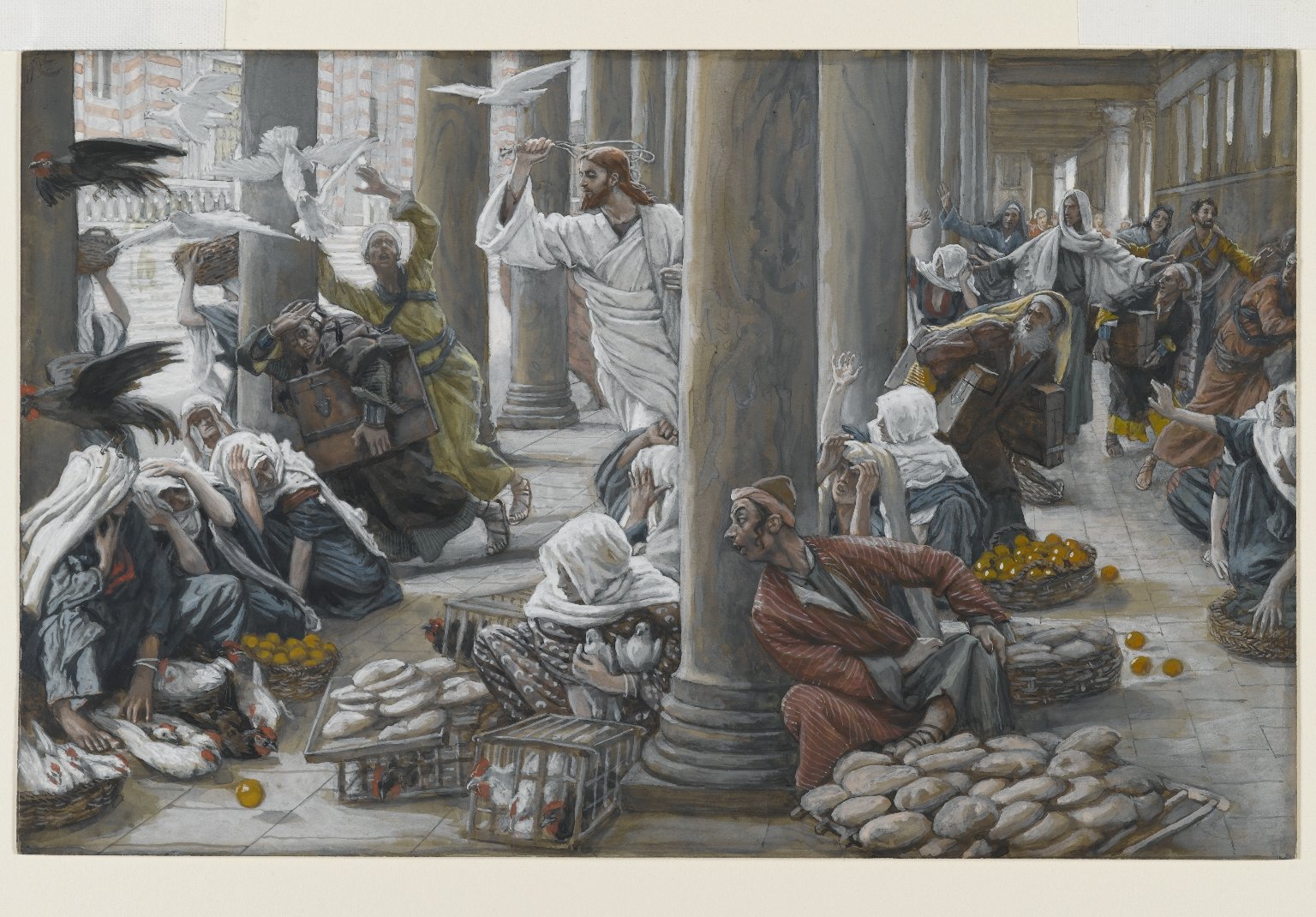 When the leading priests and teachers of religious law heard what Jesus had done, they began planning how to kill him. But they were afraid of him because the people were so amazed at his teaching.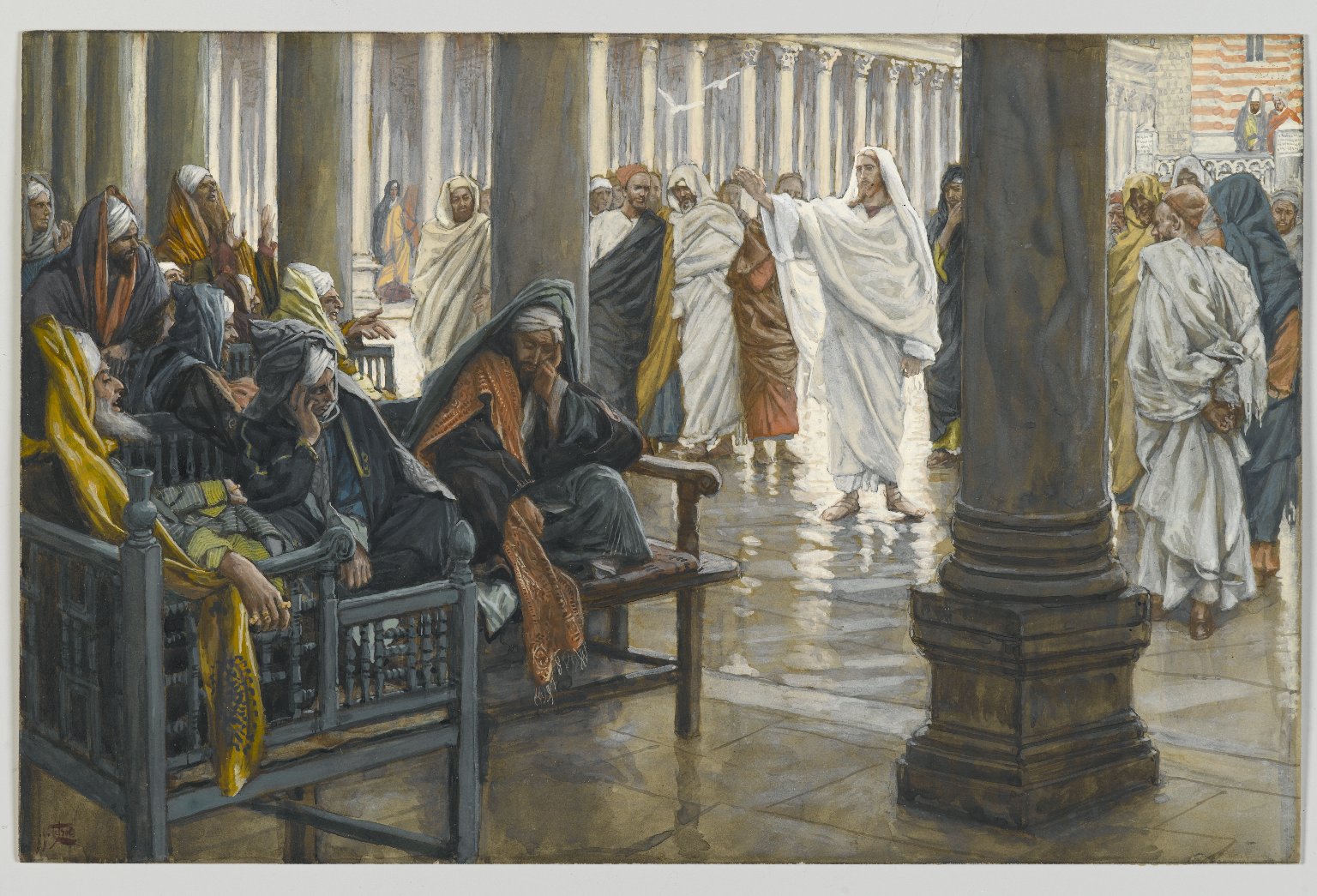
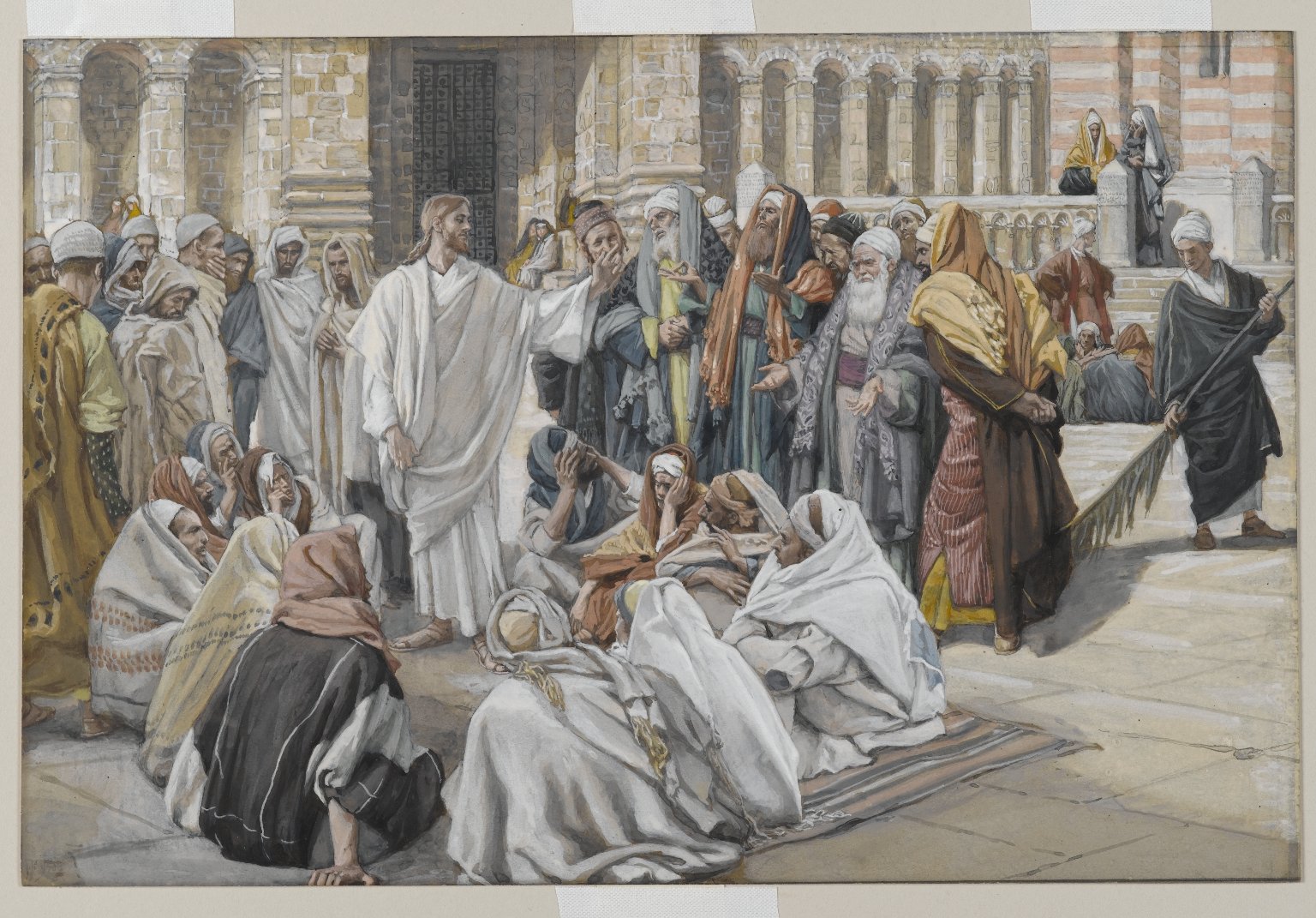 Then Jesus was approached by some Sadducees—religious leaders who say there is no resurrection from the dead. They posed this question: “Teacher, Moses gave us a law that if a man dies, leaving a wife without children, his brother should marry the widow and have a child who will carry on the brother’s name. Well, suppose there were seven brothers. The oldest one married and then died without children. So the second brother married the widow, but he also died without children. Then the third brother married her. This continued with all seven of them, and still there were no children. Last of all, the woman also died. So tell us, whose wife will she be in the resurrection? For all seven were married to her.”
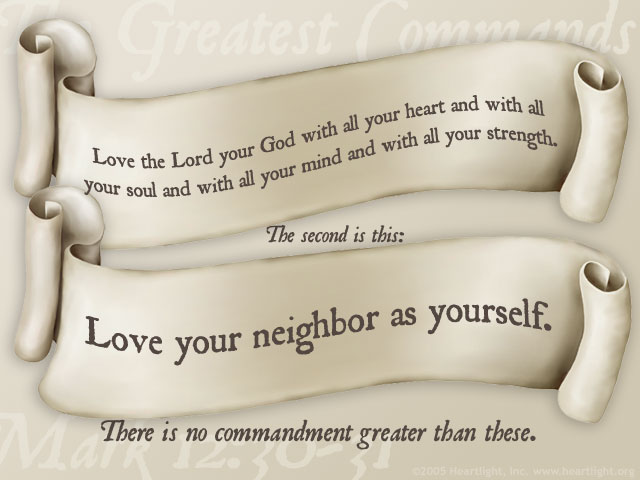 Jesus replied, “The most important commandment is this: ‘Listen, O Israel! The Lord our God is the one and only Lord. And you must love the Lord your God with all your heart, all your soul, all your mind, and all your strength.’ The second is equally important: ‘Love your neighbor as yourself.’ No other commandment is greater than these.”
_-_James_Tissot.jpg) Yet they shamelessly cheat widows out of their property and then pretend to be pious by making long prayers in public. Because of this, they will be more severely punished.”
Yet they shamelessly cheat widows out of their property and then pretend to be pious by making long prayers in public. Because of this, they will be more severely punished.”


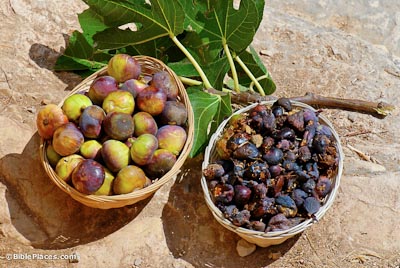


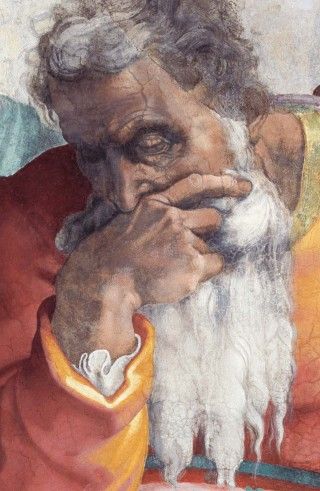

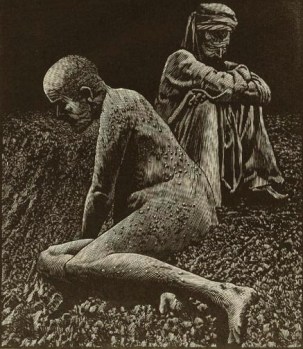


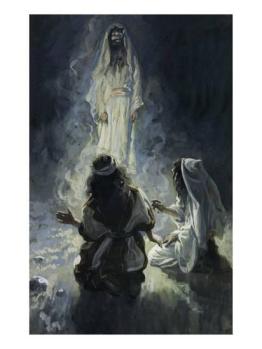
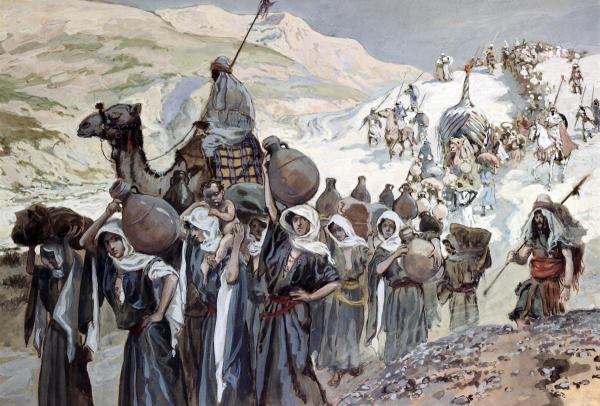




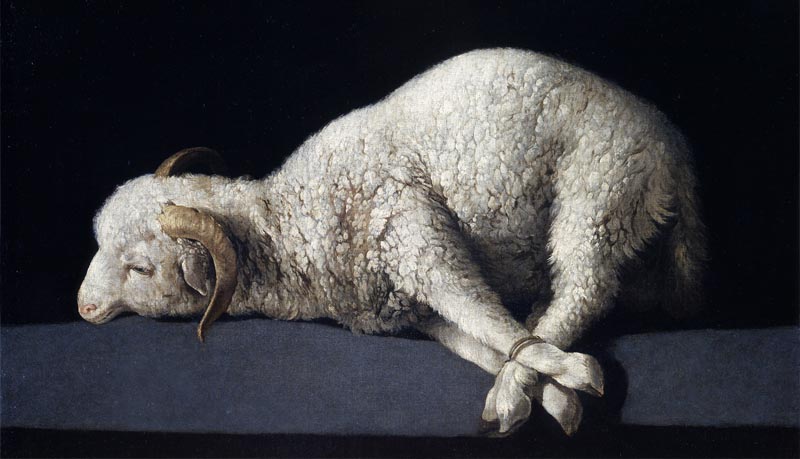
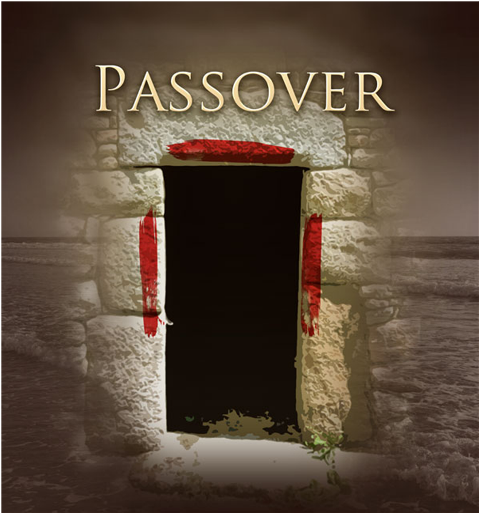

 The Peanut Gallery