Please pray for Christians in India – World Watch List #31

INDIA(Wikipedia) – World Watch List #31 (Open Doors UK)

india-mapPopulation: 1.2 billion (71 million Christians)
Main Religion: Hinduism
Government: Federal republic
Source of Persecution: Religious militancy/Islamic extremism/ Organised corruption

Religious militants are one of the most prominent attackers of the Christian minority, claiming that every Indian has to be Hindu. ‘Anti-conversion laws’ have been adopted in several states and are frequently used as a pretext to disrupt church services and to harass and accuse Christians. Permission to build or renovate a church building is almost impossible and church activities can be perceived as ‘hurting religious feelings’ and ‘disturbing peace and order’. The caste system, which is deeply rooted in society, makes outreach extremely difficult.

India1PLEASE PRAY:

  • For Christians attending Open Doors’ ‘Standing Strong through the Storm’ seminars to strengthen them in the face of persecution
  • For converts from Hindu or Muslim backgrounds, who face exclusion by friends and family
  • Praise God that, despite the troubles, the Indian church is growing.

PERSECUTION DYNAMICS:

India2 manReligious militants who follow the Hindutva ideology believe that every Indian must be Hindu, and are one of the main sources of persecution. The Christian minority therefore never relies on fair treatment and is discouraged from claiming their rights. The successful political party relying on this is Bharatiya Janata Party (BJP). ‘Anti-conversion laws’ have been adopted in several federal states and are frequently used as a pretext to disturb and disrupt church services as well as to harass and accuse Christians. Permission to build or renovate a church building is almost impossible and all church activities can be perceived as ‘hurting religious feelings’ and ‘disturbing peace and order’.

India NaxalitesA Maoist-Communist movement called the ‘Naxalites‘, which fights the government, can be found in at least 12 states. They perceive Christians as enemies who have links with the government and the West. Islamic extremism also continues to grow and converts from a Muslim background have to withstand exclusion by their family, friends and neighbours, which can be also true for Hindu converts. The Hindutva movement is also targeting tribes aggressively and corruption is rife in the country. The caste system, which is deeply rooted in society, makes outreach extremely difficult. Despite all these troubles, the Indian church is growing. It is very likely that persecution will increase in 2013 and in the run up to 2014 elections.

ANECDOTAL REPORT:

On March 12 in a southeast India village, the local newspaper published allegations that the Divya Jyoti Church had been built on government land.

Members of Divya Jyoti Church were too late to stop a mob from knocking down their building.

The next day, a crowd equipped with a backhoe demolished the small church building, encountering no resistance from the leaders of Guriya Village, in Chhattisgarh state.

Pastor Budhram Baghel said the church building had stood on land belonging to him.

“A temporary shed had been constructed in 2006 on this land, after gaining permission from the authorities and the shed was later replaced by a permanent building,” said Rev. Rakesh Dass, a friend of Bahel’s.

Three residents of Gadia village, filed a complaint that the building encroached on government land. Their allegations were published in the local newspaper, Dass said.

The crowd arrived the next day, led by Kailash Rathi and Yogendra Kaushik, officers of the local Visva Hindu Parisad, or VHP, a Hindu nationalist organization.

Budhram tried to summon help, but it did not arrive quickly enough to prevent the demolition.

Those who protested were assaulted by members of the crowd, Christian witnesses said. They said several local officials, including the revenue officer, land officer, village head, police chief and a group of police officers, watched the demolition without objection.

Pray for Christians in Egypt – reblog Deacon Greg Kandra

Egypt womenYou can’t watch this video and be unmoved by the plight of Egypt’s Christians

August 26, 2013 By Deacon Greg Kandra

A priest reader sent this my way and he said he found it “sobering.”

I find it devastating.

The music: Procession (The Trisagion) by St. Symeon Orthodox Church Trio “Antiphony” from the album Their Souls Shall Dwell With the Blessed: A Service For Those Who Have Fallen Asleep.

Pray for Egypt.

Please pray for Christians in Tunisia ~ World Watch List #30

TUNISIA (Wikipedia) – World Watch List #30 (Open Doors UK)

tunisia_mapPopulation: 10.7 million (24,000 Christians)
Main Religion: Islam
Government: Republic
Source of Persecution: Islamic extremism

Under former President Ben Ali, Tunisia was a secular country in which timid expressions of Christianity were tolerated. Now, Christians face increasing persecution from the moderately Islamic government and from aggressive Salafist groups. Expat churches face few problems, but local Muslim-background believers face pressure from society, and may be questioned and beaten once their conversion is known. The secular legal system remains in place, but the government is moving towards implementing Islamic law. Despite the increasing pressure, the small indigenous church is growing slowly.

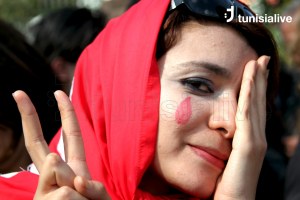
tunisialive woman 10-1PLEASE PRAY:

  • Radical Muslims are returning to the country and spreading extremist messages. Pray that their influence will not spread
  • The economy is in a bad state and unemployment is growing. Pray for wisdom for the government
  • Importation of Christian books in the Arabic language is obstructed. Ask God to protect Open Doors co-workers distributing Bibles in the country.

[For current news in Tunisia go to Tunisia Live – click here.]

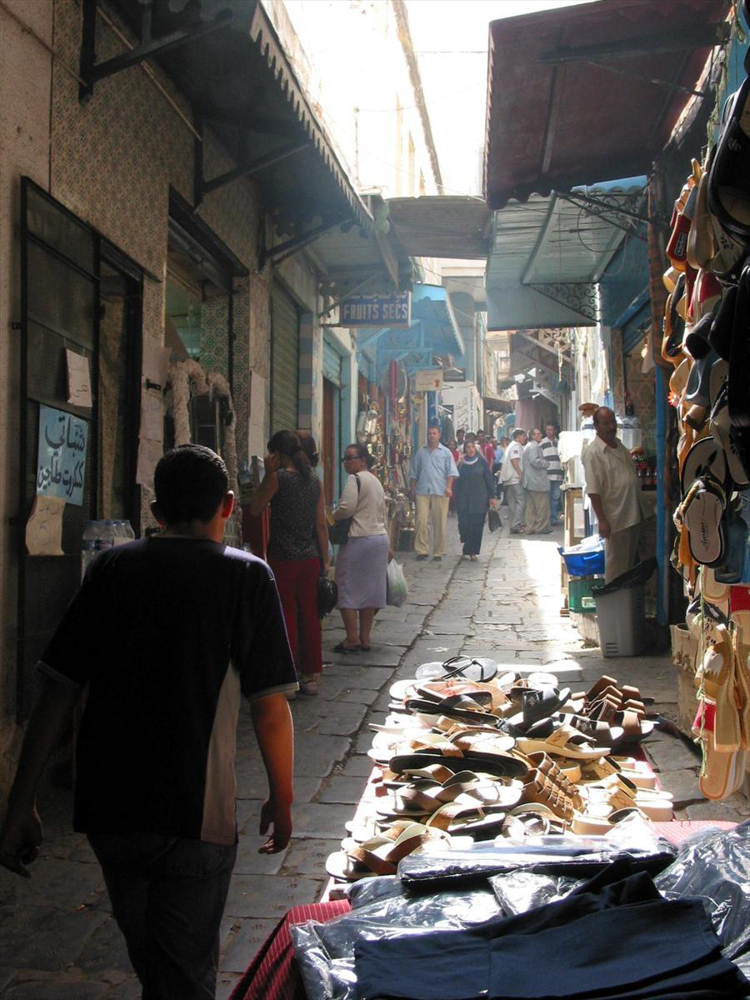
Tunisia marketPERSECUTION DYNAMICS:

Tunisian Christians experience increasing pressure at the private and family level and pressure is clearly greater for those who come to Christ from a Muslim background than for the few expat churches. The secular legal system remains in place, but this is likely to change as the country’s Islamic government is taking steps towards the implementation of Sharia (Islamic law). Although the constitution currently respects freedom of religion, importing Christian books is obstructed, national churches cannot register and local Christians are questioned and beaten once their conversion is known.

Tunisia needs a new political system; the economy is in a bad state, unemployment is growing and tourism levels have dropped. Radical Muslims are returning to the country and spreading extremist messages. The rise of Salafism is also a stressful development for many believers. With political developments looking grim and Islamic movements getting stronger, the situation of the small Christian population in the country has deteriorated and is not expected to improve. However, on a positive note, the small indigenous church seems to be growing slowly.

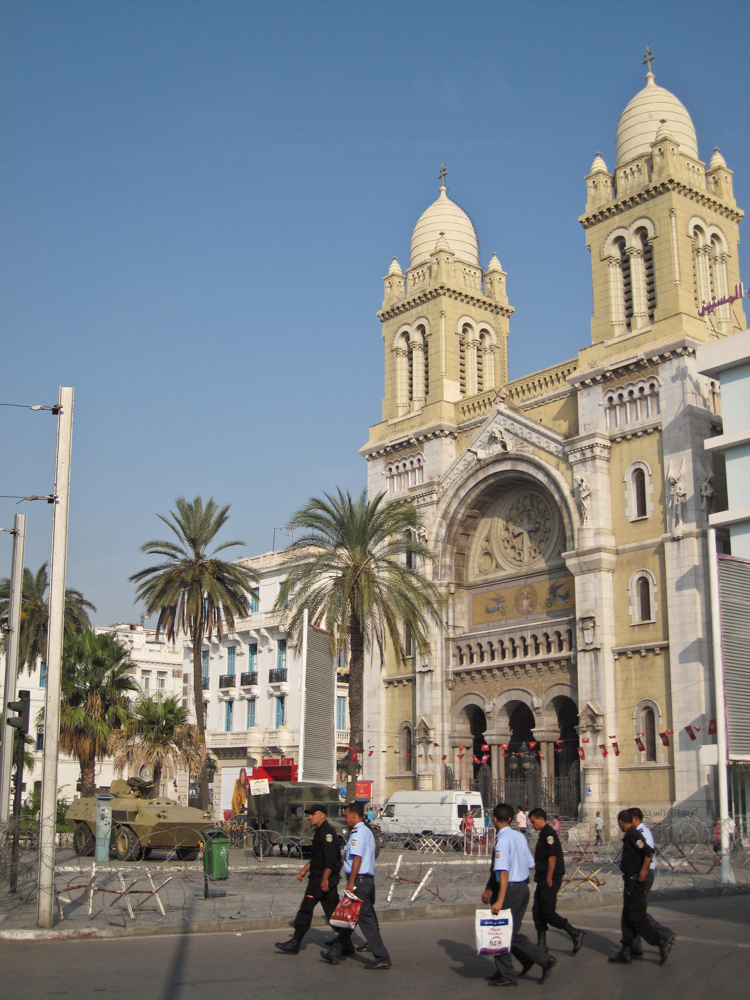
tunisia churchCHANGES SINCE ARAB SPRING: (Open Doors US)

Things have changed in Tunisia after the Arab Spring first erupted in this North-African country. Dictator Ben Ali is gone and the elections were held with a landslide win for the Islamists. Christians see a greater spiritual openness than ever before in the country, and see discipleship as the principal need at this moment.

The Tunisian Church has already been changing for the last fifteen years. Till the end of last century, there were only house groups of Christians active in this North-African country. Now churches choose to be visible. Last year the church especially grew outside the capital Tunis.

Tunisian Christian“Coming more to the surface seems to have strengthened the Christians,” explains an Open Doors field worker. Self-awareness grew and the level of fear went down. Now you can see during the Saturday services interested people coming in from the street, attracted by curiosity of what is going on in the churches. We see Church engaging with society. Groups of Christians meet in several smaller cities in Tunisia.” Tunisian Christians see a strong response to the gospel. “I heard of people accepting Christ while escaping teargas,” the field worker. says.

We also spoke with Raatib*, a Christian that doesn’t hide his faith. Raatib is discipling two groups of young Christians in two different cities. He travels a great distance to these places to be able to give the training to the new believers. He is using Open Doors training material. “The church needs discipleship in any way or form, it is by far the most prevalent need for the church,” he says with conviction.

Raatib* – not his real name for security reasons.

Please pray for Christians in Egypt

Peanut Gallery: The chaos continues in Egypt and Christians are easy targets for Islamist thugs.

The Western world had pretty much abandoned Egypt’s Christians since the onset of the so-called Arab Spring… and their situation deteriorated steadily under the Morsi-Muslim Brotherhood regime. They simply could not count on the Morsi government to protect them from Islamist attacks. That’s why Coptic Christians generally supported the Egyptian military’s overthrow of Morsi.

Egypt church burning3Now it’s pay-back time for the ousted Islamists. How bad is it? In the last few days, 58 Christian churches, schools, institutions, shops torched by the Muslim Brotherhood.

See photos here… here… and here. The list below, compiled by Asia News, tells the sad story.

Is it any wonder that Christians have turned to the Egyptian military to protect them? And they have found a champion in the Egyptian military, Gen. Abdel Fattah El-Sisi . El-Sisi has vowed to rebuild Coptic Churches destroyed by the Muslim Brotherhood. In fact, the Egyptian military broadly represents the demographics of the Egyptian people and is intimately entwined with the industrial / manufacturing / commercial community of Egypt. It is the only entity capable of stabilizing Egypt today… and has broad popular support.

PLEASE PRAY:

  • For Pope Tawadros II – wisdom and courage to lead the Coptic Church through these dangerous times
  • For Gen. Abdel Fattah El-Sisi – wisdom and restraint in the use of force to restore order in Egypt
  • For Morsi and the Muslim Brotherhood – reject violence, days of rage, and the forces of darkness that  permeate their ranks
  • For Egyptian People – God’s guidance through the wilderness in which they find themselves

Egypt: Islamists Burn Down Dozens Of Coptic Christian Churches

The List of Christian Churches, Schools, Institutions, Shops Torched by the Muslim Brotherhood in the Last Few Days

Cairo (AsiaNews) – At least 58 Christian churches, schools, institutions, homes and shops have been attacked, looted and torched over the last three days by the Muslim Brotherhood and supporters of Mohamed Morsi, the former Egyptian president who was deposed on 3 July . On August 14 the army has tried to evict the sit-in of the Islamists in Rabaa El Nahda Square and Adaweya. In a wave of devastating violence, over 600 people were killed and thousands injured. But violent attacks were also carried out on Catholic, Orthodox, Evangelical churches as well as the homes and shops of Christians, as we have documented
The representatives of the Christian Churches have drawn up a list which we publish below. The list was handed over to AsiaNews by the Press Office of the Catholic Church in Egypt.

The following list of 58 looted and burned buildings (including convents and schools) has been verified by representatives of the Christian Churches.

Catholic churches and convents

  • 1. Franciscan church and school (road 23) – burned (Suez)
  • 2. Monastery of the Holy Shepherd and hospital – burned (Suez)
  • 3. Church of the Good Shepherd, Monastery of the Good Shepherd – burned in molotov attack (Asuit)
  • 4. Coptic Catholic Church of St. George – burned (Minya, Upper Egypt)
  • 5. Church of the Jesuits – burned (Minya, Upper Egypt)
  • 6. Fatima Basilica – attacked – Heliopolis
  • 7. Coptic Catholic Church of St. Mark – burned (Minya – Upper Egypt)
  • 8. Franciscan convent (Sisters of the Immaculate Heart of Mary) – burned (Beni Suef, Upper Egypt)
  • 9. Church of St. Teresa – burned (Asuit, Upper Egypt)
  • 10. Franciscan Church and School – burned (Asuit, Upper Egypt)
  • 11. Convent of St Joseph and school – burned (Minya, Upper Egypt)
  • 12. Coptic Catholic Church of the Sacred Heart – torched (Minya, Upper Egypt)
  • 13 Convent of the Sisters of Saint Mary – attacked (Cairo)
  • 14. School of the Holy Shepherd – attacked (Minya, Upper Egypt)

Orthodox and Evangelical Churches

  • 1. Anglican Church of St. Saviour – burned (Suez)
  • 2. Evangelical Church of St Michael – surrounded and sacked (Asuit, Upper Egypt)
  • 3. Coptic Orthodox Church of St. George – Burned (Minya, Upper Egypt)
  • 4. Church of Al-Esla – burned (Asuit, Upper Egypt)
  •  5. Adventist Church – burned, the pastor and his wife abducted (Asuit, Upper Egypt)
  •  6. Church of the Apostles – burned (Asuit, Upper Egypt)
  •  7. Church of the Holy renewal – burned (Asuit, Upper Egypt)
  • 8. Diocesan Centre Coptic Orthodox Qusiya – burned (Asuit, Upper Egypt)
  • 9. Church of St. George – burned (Arish, North Egypt)
  • 10. Church of St. George in al-Wasta – burned (Beni Suef, Upper Egypt)
  • 11. Church of the Virgin Mary – attacked (Maadi, Cairo)
  • 12. Church of the Virgin Mary – attacked (Mostorod, Cairo)
  • 13. Coptic Orthodox Church of St. George – attacked (Helwan, Cairo)
  • 14. Church of ​​St. Mary of El Naziah – burned (Fayoum, Upper Egypt)
  • 15. Church of Santa Damiana – sacked and burned (Fayoum, Upper Egypt)
  • 16. Church of St. Theodore – burned (Fayoum, Upper Egypt)
  • 17. Evangelical Church of al-Zorby – Sacked and destroyed (Fayoum, Upper Egypt)
  • 18. Church of St. Joseph – burned (Fayoum, Upper Egypt)
  • 19. Franciscan School – burned (Fayoum, Upper Egypt)
  • 20. Coptic Orthodox Diocesan Center of St. Paul – burned (Gharbiya, Delta)
  • 21. Coptic Orthodox Church of St. Anthony – burned (Giza)
  • 22. Coptic Church of St. George – burned (Atfeeh, Giza)
  • 23. Church of the Virgin Mary and father Abraham – burned (Delga, Deir Mawas, Minya, Upper Egypt)
  • 24. Church of St. Mina Abu Hilal Kebly – burned (Minya, Upper Egypt)
  • 25. Baptist Church in Beni Mazar – burned (Minya, Upper Egypt)
  • 26. Church of Amir Tawadros – burned (Minya, Upper Egypt)
  • 27. Evangelical Church – burned (Minya, Upper Egypt)
  • 28. Church of Anba Moussa al-Aswad- burned (Minya, Upper Egypt)
  • 29. Church of the Apostles – burned (Minya, Upper Egypt)
  • 30. Church of St Mary – arson attempt (Qena, Upper Egypt)
  • 31. Coptic Church of St. George – burned (Sohag, Upper Egypt)
  • 32. Church of Santa Damiana – Attacked and burned (Sohag, Upper Egypt)
  • 33. Church of the Virgin Mary – burned (Sohag, Upper Egypt)
  • 34. Church of St. Mark and community center – burned (Sohag, Upper Egypt)
  • 35. Church of Anba Abram – destroyed and burned (Sohag, Upper Egypt)

Christian institutions

  • 1. House of Fr. Angelos (pastor of the church of the Virgin Mary and Father Abraham) – burned (Minya, Upper Egypt)
  • 2. Properties and shops of Christians – Burnt (Arish, North Egypt)
  • 3. 17 Christian homes attacked and looted (Minya, Upper Egypt)
  • 4. Christian homes – Attach (Asuit, Upper Egypt)
  • 5. Offices of the Evangelical Foundation – burned (Minya, Upper Egypt)
  • 6. Stores, pharmacies, hotels owned by Christians – attacked and looted (Luxor, Upper Egypt)
  • 7. Library of the Bible Society – burned (Cairo)
  • 8. Bible Society – burned (Fayoum, Upper Egypt)
  • 9. Bible Society- burned (Asuit, North Egypt).

Burned buildings owned by Christians

  • 1. 58 houses.
  • 2. 85 shops.
  • 3. 16 pharmacies.
  • 4.  3 hotels (Upper Egypt)
  • 5. 75 buses and cars.

Other

  • 7 Victims (killed); 17 kidnapped; and hundreds injured.

Please pray for Christians in Bhutan – World Watch List #28 (Open Doors)

BHUTAN (Wikipedia) – World Watch List #28 (Open Doors UK)

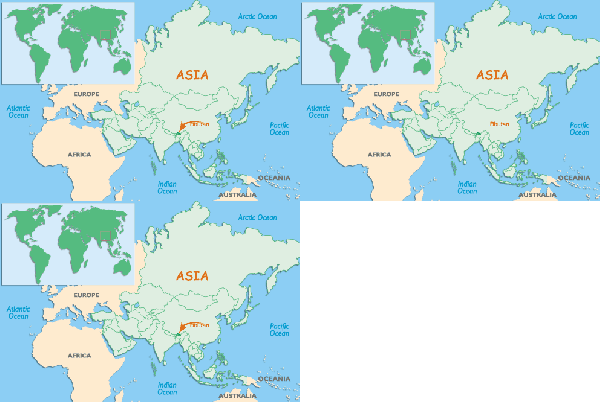
World Map showing Bhutan

Population: 750,000 (20,000 Christians)
Main Religion: Mahayana Buddhism
Government: Constitutional monarchy
Source of Persecution: Religious militancy/tribal antagonism

Despite its transition from absolute to constitutional monarchy, Buddhism continues to play a dominant role in Bhutan. The constitution promotes religious tolerance, but parliament is still considering an amendment to the penal code aimed at prohibiting ‘conversion by coercion or inducement’. Christians can generally meet in private homes without government interference, but the authorities restrict the construction of non-Buddhist places of worship and the celebration of some non-Buddhist festivals. Although reports of Christians being arrested or physically harmed are decreasing, believers still face harassment.

Bhutan ChristiansPLEASE PRAY:

  • The media portrays Christians negatively. Pray for positive change in society’s attitude to Christianity
  • The church lacks trained leaders. Pray for training opportunities for pastors and church workers
  • That the transition to a more democratic rule would bring genuine change for religious minorities.


[Local Bhutanese spinning the prayer wheels at a monastery in Bumthang during a mass noviciation ceremony, as seen on a Cox & Kings holiday (www.coxandkings.co.uk)]

PERSECUTION DYNAMICS

Bhutan city streetBhutan was a Buddhist kingdom for centuries and even now, after introducing a constitutional monarchy and democracy, Buddhism plays a dominant role. The monarch is deemed to be the protector of all faiths in Bhutan, which includes Hindus and a small, albeit increasing, number of Christians. However, there is a lot of pressure on Christians from the local community, especially local administrators who deny meetings and put obstacles in the way of believers. Although the constitution of Bhutan promotes secularism and religious tolerance, it also labels Buddhism as the ‘spiritual heritage’ of the country.

Bhutan woman and childThe church in Bhutan is no longer an underground church and Christians are able to meet in private homes on Sundays, generally without interference from the authorities. Reports of Christians being arrested, physically harmed or otherwise badly treated remain on the decline but they still face harassment. The media has not helped the Christians’ case and Christianity is viewed as a religion that brings the sort of chaos and division in society that Bhutan shuns.

ANECDOTAL REPORT:

Karen*is a Christian teenager in Bhutan and has asked us to pray for her parents who are non-Christians. “My mom and dad are still orthodox Hindus,” she said. “Please continue praying for them.”

After finishing high school, Karen took a job at a beverage factory and moved out of her home town. She is staying at a cousin’s place at one of the border areas in southern Bhutan, where Hindu communities thrive. In her new surroundings, Karen’s newfound hope is tested.

Bhutan scenery“My uncle’s eldest son beat me when he discovered I was a Christian,” Karen says. “Please pray for him too; pray that he discovers the Lord Jesus Christ.” But Karen does not give up her faith. She continues attending the house church in her new village.

Karen’s steadiness in the faith has been evident also at work, and she was promoted as a result. “From the packaging section, I am now assigned to work at the counters. May God continue to grant me favor.”

Please continue to pray for Karen as she grows in her faith, despite the persecution that she faces.

*Karen’s real name and other details about her are withheld for her security. She is the only Christian in her family.