
9 Things You Should Know About Down Syndrome ~ Reblog | The Gospel Coalition

9 THINGS YOU SHOULD KNOW ABOUT DOWN SYNDROME
Joe Carter, OCT 07, 2014

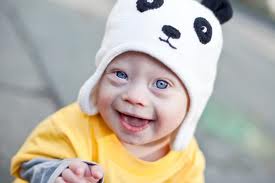
October is Down Syndrome Awareness Month. Here are nine things you should know about the condition.
image

1. Down syndrome occurs when an individual has a full or partial extra copy of chromosome 21. This additional genetic material alters the course of development and causes the characteristics associated with Down syndrome.

2. Down syndrome is the most commonly occurring chromosomal condition. The Centers for Disease Control in 2011 estimated the frequency of Down syndrome in the U.S. is 1 in 691 live births

3. Down syndrome is named after the English doctor, John Langdon Down, who was the first to categorize the common features of people with the condition.

4. A few of the common physical traits of Down syndrome are low muscle tone, small stature, an upward slant to the eyes, and a single deep crease across the center of the palm. Every person with Down syndrome is a unique individual and may possess these characteristics to different degrees or not at all.

5. People with Down syndrome are significantly predisposed to certain medical conditions including congenital heart defects, sleep apnea, and Alzheimer’s disease. There is also evidence of an increased risk of celiac disease, autism, childhood leukemia, and seizures. It is rare for a person with Down syndrome to have a solid tumor cancer or cardiovascular disease, including heart attack and stroke.

6. Life expectancy for people with Down syndrome has increased dramatically in recent decades – from 25 in 1983 to 60 today. The dramatic increase to 60 years is largely due to the end of the practice of institutionalizing people with Down syndrome.

7. All people with Down syndrome experience cognitive delays, but the effect is usually mild to moderate and is not indicative of the many strengths and talents that each individual possesses.

8. Approximately 67 percent of prenatal diagnoses for Down syndrome result in an abortion, according to estimated pregnancy termination rates from 1995-2011.

9. Mothers of individuals with Down syndrome typically exhibit better psychological well-being profiles in comparison to mothers of individuals with other intellectual and developmental disabilities. There is extensive evidence that mothers of young children with Down syndrome experience lower levels of stress, more extensive and satisfying networks of social support, less pessimism about their children’s future, and they perceive their children to have less difficult temperaments. A major study also found that divorce rates were lower (7.6 percent) for families of children with Down syndrome as compared to 10.8 percent in the population group with non-disabled children and 11.25 percent for families of children with other congenital birth defects.

See also: Down Syndrome Resources For New and Expecting Parents

[Image credit: Noah’s Dad

Joe Carter is an editor for The Gospel Coalition and the co-author of How to Argue Like Jesus: Learning Persuasion from History’s Greatest Communicator. You can follow him on Twitter.

9 Things You Should Know About Down Syndrome – Reblog Gospel Coalition

JOE CARTER | 8:38 AM CT

9 Things You Should Know About Down Syndrome (original post)

October is Down Syndrome Awareness Month. Here are nine things you should know about the condition.

Down syndrome

1. Down syndrome occurs when an individual has a full or partial extra copy of chromosome 21. This additional genetic material alters the course of development and causes the characteristics associated with Down syndrome.

2. Down syndrome is the most commonly occurring chromosomal condition. The Centers for Disease Control in 2011 estimated the frequency of Down syndrome in the U.S. is 1 in 691 live births

3. Down syndrome is named after the English doctor, John Langdon Down, who was the first to categorize the common features of people with the condition.

4. A few of the common physical traits of Down syndrome are low muscle tone, small stature, an upward slant to the eyes, and a single deep crease across the center of the palm. Every person with Down syndrome is a unique individual and may possess these characteristics to different degrees or not at all.

5. People with Down syndrome are significantly predisposed to certain medical conditions including congenital heart defects, sleep apnea, and Alzheimer’s disease. There is also evidence of an increased risk of celiac disease, autism, childhood leukemia, and seizures. It is rare for a person with Down syndrome to have a solid tumor cancer or cardiovascular disease, including heart attack and stroke.

6. Life expectancy for people with Down syndrome has increased dramatically in recent decades – from 25 in 1983 to 60 today. The dramatic increase to 60 years is largely due to the end of the practice of institutionalizing people with Down syndrome.

7. All people with Down syndrome experience cognitive delays, but the effect is usually mild to moderate and is not indicative of the many strengths and talents that each individual possesses.

8. Approximately 67% of prenatal diagnoses for Down syndrome result in an abortion, according to estimated pregnancy termination rates from 1995-2011.

9. Mothers of individuals with Down syndrome typically exhibit better psychological well-being profiles in comparison to mothers of individuals with other intellectual and developmental disabilities. There is extensive evidence that mothers of young children with Down syndrome experience lower levels of stress, more extensive and satisfying networks of social support, less pessimism about their children’s future, and they perceive their children to have less difficult temperaments. A major study also found that divorce rates were lower (7.6 percent) for families of children with Down syndrome as compared to 10.8 percent in the population group with non-disabled children and 11.25 percent for families of children with other congenital birth defects.

See also: Down Syndrome Resources For New and Expecting Parents

[Image credit: Noah’s Dad]

Hundreds call to adopt Down Syndrome baby, save it from abortion – reblog Washington Times

washingtontimes.com -click here

image
Photo by: Carolyn KasterImage: Associated Press

When the Rev. Thomas Vander Woude learned about a young couple planning to abort their unborn baby that had been diagnosed with Down syndrome, the priest reached out and offered a deal: Deliver the child and he would help find an appropriate adoptive family.

But he had to act fast.

The woman, who has not been identified for her privacy and her protection, was just shy of six months pregnant and lives in a state that prohibits abortions past 24 weeks — which meant he had a short time to find a family willing to make a lifelong commitment.

So Father Vander Woude, the lead pastor at Holy Trinity Catholic Church in Gainesville, Va., approached a volunteer who helped manage the church’s social media pages, and she posted an urgent plea on Facebook early Monday morning.

“There is a couple in another state who have contacted an adoption agency looking for a family to adopt their Down Syndrome unborn baby. If a couple has not been found by today they plan to abort the baby. If you are interested in adopting this baby please contact Fr. VW IMMEDIATELY,” the post read. “We are asking all to pray for this baby and the wisdom that this couple realize the importance of human life and do not abort this beautiful gift from God.”

The post asked people to call the church’s office after 9:30 a.m. Monday or to email Father Vander Woude.

No one expected the response they received.

“When we got in and opened up around 9:30, it was nearly nonstop. All day long, we were receiving phone calls from people who wanted to adopt the baby,” church staff member Martha Drennan said. “Father Vander Woude has gotten over 900 emails in regard to the baby.”

The offers were narrowed to three families, which the unborn child’s parents are reviewing with the help of an adoption agency.

Ms. Drennan said the church received phone calls from all over the United States and around the world, including from England, Puerto Rico and the Netherlands.

“I think it is a wonderful use of social media, that word can so quickly get all over the country and even to foreign countries and that the people who see the value of life are stepping up and saying, ‘I will take that baby and raise that baby as mine,’” Ms. Drennan said. “It was a beautiful witness all day long that so many people wanted this child and believed in the dignity of that child — Down syndrome or not.”

The president and founder of the International Down Syndrome Coalition, Diane Grover, stressed the importance of informing couples who are considering abortion for babies with Down syndrome that adoption is a viable option, pointing to the fast and overwhelming response her organization received about this one unborn child as an amazing example.

image
International Down Syndrome Coalition

“When [couples are] in that position, a lot of people wonder if their child [with Down syndrome] would actually get adopted,” Ms. Grover said. “There’s a lot of people waiting, and we are happy to always help.”

David Dufresne, a seminary student who plans to become a priest next year, volunteered to help the overwhelmed church staff take calls.

“I was taking calls for about three hours straight, just talking to people who are willing to adopt this little baby they never knew about until that morning,” Mr. Dufresne said. “I mean, all day long, just receiving phone calls from people who were so generous and within a couple minutes made a life-changing decision. I was really inspired by the goodness of people and what they would do to save a life.”