
Morning Prayer, 06 Mar – John 12:1-11 ~ extravagant worship

Morning Prayer

+ In the name of the Father, and of the Son, and of the Holy Spirit. Amen

Opening sentences – Cuthbert of Northumbria (635-87)

Hear my voice when I call, O Lord; be merciful to me and answer me.

My heart says of You, “Seek His face!”

Your face, Lord, I will seek.

Do not hide Your face from me, do not turn Your servant away in anger;
You have been my helper.

Morning readings

John 12:1-11 ESV:
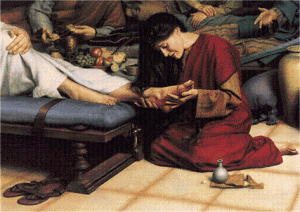
mary-anoints-the-feet-of-jesus

Six days before the Passover, Jesus therefore came to Bethany, where Lazarus was, whom Jesus had raised from the dead. So they gave a dinner for him there. Martha served, and Lazarus was one of those reclining with him at table. Mary therefore took a pound of expensive ointment made from pure nard, and anointed the feet of Jesus and wiped his feet with her hair. The house was filled with the fragrance of the perfume.

But Judas Iscariot, one of his disciples (he who was about to betray him), said, “Why was this ointment not sold for three hundred denarii and given to the poor?” He said this, not because he cared about the poor, but because he was a thief, and having charge of the moneybag he used to help himself to what was put into it.

Jesus said, “Leave her alone, so that she may keep it for the day of my burial. For the poor you always have with you, but you do not always have me.”

When the large crowd of the Jews learned that Jesus was there, they came, not only on account of him but also to see Lazarus, whom he had raised from the dead. So the chief priests made plans to put Lazarus to death as well, because on account of him many of the Jews were going away and believing in Jesus.

Reflections:

extravagant gratitude

The pure nard Mary uses was worth a year’s wages – a rough equivalent would be around $15,000, the gross pay for someone working at minimum wage for a year. There is no indication of why Mary expressed her devotion this way. The most obvious possibility was her sheer gratitude for what Jesus had done for her brother and the revelation it brought to her of Jesus’ identity, power, authority and grace.

John’s focus on her anointing Jesus’ feet points to Mary’s great humility. As she has come to realize a bit more of the one who has been a friend to her and her brother and sister, her faith deepens and she recognizes her unworthiness.

treacherous unbelief

At one level, Judas is simply expressing what others were also thinking. But with hindsight John knows there was more motivating him – embezzlement. Such embezzlement reveals a heart in love with self and in love with money, neither of which have a place in the life of a disciple. But beyond even this, the deepest sin was Judas’ betrayal of the Lord.

Judas’ heart is fundamentally different from the heart of Mary – the contrast between a true disciple, Mary, and one of the Twelve, shows that privilege of position is no substitute for faith and obedience.

charitable works

Care for the poor is a sacred duty because it is the concern of God’s own heart. Those who share in his life will share in his concern for the poor and will act appropriately as he guides. This diversion of funds from the poor for the sake of Jesus’ burial implies that there are times for such exceptional use of funds. But it also implies that the funds would usually go to the poor and that this is the proper thing to do. John’s “suggestion that Judas did not care about the poor has implied in passing that Christians should care” (Michaels).

The IVP New Testament Commentary Series

__________

Doesn’t matter what people say / I forget their watching eyes / I just want to bring to You / My most costly, my most priceless, my most precious Sacrifice

Extravagant worship / Total surrender / Reckless abandon / I pour out my love, pour out myself / Saviour

Breaking open my thankful heart / I release its praise perfume / Here I’ll linger lifting to You / Songs of wonder, songs of worship / songs of deepest gratitude
__________

Canticle:

Christ, as a light… illumine and guide me. Christ, as a shield… overshadow me. Christ under me; Christ over me; Christ beside me on my left and my right.

This day be within and without me, lowly and meek, yet all-powerful. Be in the heart of each to whom I speak; in the mouth of each who speaks unto me. This day be within and without me, lowly and meek, yet all-powerful.

Christ as a light; Christ as a shield; Christ beside me on my left and my right.

Blessing

May the peace of the Lord Christ go with you, wherever He may send you. May He guide you through the wilderness, protect you through the storm. May He bring you home rejoicing at the wonders He has shown you. May He bring you home rejoicing once again into our doors.

+ In the name of the Father, and of the Son, and of the Holy Spirit. Amen

_____________________________________

Peanut Gallery: A brief word of explanation – the general format for Morning Prayer is adapted from the Northumbrian Community‘s Daily Office, as found in Celtic Daily Prayer (see online resources here.) The Scripture readings are primarily from the Gospel of John, with the intent to complete the reading by Easter. Other Scriptures which illuminate the Gospel of John will be included along the way.

Reflections from various saints will be included as their memorial days occur during the calendar year.

On Sundays, I’ll return to the USCCB readings (see online resources here) and various liturgical resources in order to reflect the Church’s worship and concerns throughout the world.

Photo illustrations and music videos, available online, are included as they illustrate or illuminate the readings. I will try to give credit and link to sources as best I can.
Morning Prayer, 04 Mar – John 11:45-57 ~ one for all

Morning Prayer

+ In the name of the Father, and of the Son, and of the Holy Spirit. Amen

Opening sentences – Brigid of Kildare (c. 450-523)

Christ in our coming and in our leaving, the Door and the Keeper; for us and our dear ones, this day and every day, blessing for always. Amen.

Morning readings

John 11:45-57 ESV:

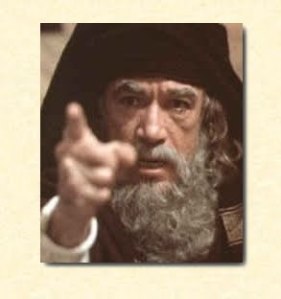
chief-priest

Many of the Jews therefore, who had come with Mary and had seen what he did, believed in him, but some of them went to the Pharisees and told them what Jesus had done. So the chief priests and the Pharisees gathered the council and said, “What are we to do? For this man performs many signs. If we let him go on like this, everyone will believe in him, and the Romans will come and take away both our place and our nation.”

But one of them, Caiaphas, who was high priest that year, said to them, “You know nothing at all. Nor do you understand that it is better for you that one man should die for the people, not that the whole nation should perish.” He did not say this of his own accord, but being high priest that year he prophesied that Jesus would die for the nation, and not for the nation only, but also to gather into one the children of God who are scattered abroad. So from that day on they made plans to put him to death.

Jesus therefore no longer walked openly among the Jews, but went from there to the region near the wilderness, to a town called Ephraim, and there he stayed with the disciples.

Now the Passover of the Jews was at hand, and many went up from the country to Jerusalem before the Passover to purify themselves. They were looking for Jesus and saying to one another as they stood in the temple, “What do you think? That he will not come to the feast at all?” Now the chief priests and the Pharisees had given orders that if anyone knew where he was, he should let them know, so that they might arrest him.

Reflections:

faith and fear

There are a variety of responses to Jesus’ raising of Lazarus – many put faith in him, but others inform the authorities. The report alarms the Pharisees, and so the chief priests and the Pharisees called a meeting of the Sanhedrin.

Like many religious leaders since, Jesus is accused of being a threat to national security. Jesus’ popularity could look like a popular uprising that would require calling in the Roman legions destroying both their religious positions and the entire nation. The irony is that they do destroy the temple of Jesus’ body, but this does not prevent the Romans from destroying their temple and their nation, nor does it prevent increasing numbers of people from believing in Jesus.

Their plot prevented neither of the things they feared, even though they succeeded in getting Jesus killed.

atonement and oneness

Caiaphas unwittingly prophesies that Jesus would die for the Jewish nation, but John sees the divine intent that Jesus die in place of the nation for their sin… and for the sin of all humanity. Jesus’ death is also for the scattered children of God, to bring them together and make them one. Jesus’ work as the Good Shepherd is accomplished through his death.

The oneness with God that the atonement accomplishes is complemented by the oneness of the people of God drawn from the whole of the human race. They are already referred to as children of God since each one who enters Christ’s community has been given to him by the Father and has responded in faith and has been born again. It is Christ, especially Christ crucified, that unites the people of God.

seclusion and speculation

Jesus goes back into seclusion because of the increased danger. His movement in and out of seclusion shows him working around the intentions of his enemies as he works out the intentions of his Father. There is a similar pattern in his work in the lives of his followers today. He moves in and out of seclusion in our lives, not because his life is threatened but as part of his love for us, to wean us from false attachments, even false views we may have of God himself.

Meanwhile, as Passover approaches, friends and foes speculate whether or not Jesus will come to the feast, aware that the chief priests and Pharisees are seeking his arrest. But Jesus has already departed from the temple and will not be standing where they are standing as they ask such questions. He will come up to this feast, but he will not be coming to the temple. Rather, the one true sacrifice is about to take place in the temple of his body.

The IVP New Testament Commentary Series

__________


__________

Canticle:

Christ, as a light… illumine and guide me. Christ, as a shield… overshadow me. Christ under me; Christ over me; Christ beside me on my left and my right.

This day be within and without me, lowly and meek, yet all-powerful. Be in the heart of each to whom I speak; in the mouth of each who speaks unto me. This day be within and without me, lowly and meek, yet all-powerful.

Christ as a light; Christ as a shield; Christ beside me on my left and my right.

Blessing

May the peace of the Lord Christ go with you, wherever He may send you. May He guide you through the wilderness, protect you through the storm. May He bring you home rejoicing at the wonders He has shown you. May He bring you home rejoicing once again into our doors.

+ In the name of the Father, and of the Son, and of the Holy Spirit. Amen

_____________________________________

Peanut Gallery: A brief word of explanation – the general format for Morning Prayer is adapted from the Northumbrian Community‘s Daily Office, as found in Celtic Daily Prayer (see online resources here.) The Scripture readings are primarily from the Gospel of John, with the intent to complete the reading by Easter. Other Scriptures which illuminate the Gospel of John will be included along the way.

Reflections from various saints will be included as their memorial days occur during the calendar year.

On Sundays, I’ll return to the USCCB readings (see online resources here) and various liturgical resources in order to reflect the Church’s worship and concerns throughout the world.

Photo illustrations and music videos, available online, are included as they illustrate or illuminate the readings. I will try to give credit and link to sources as best I can.