
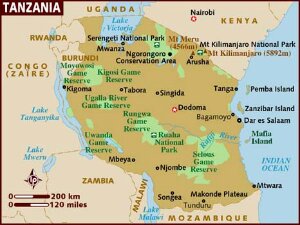
TANZANIA (Wikipedia) – World Watch List #24 (Open Doors UK)
Population: 47.7 million (29.5 million Christians)
Main Religion: Christianity/Islam
Government:</strong> democratic republic
Source of Persecution: Islamic extremism
A Christian majority country with a substantial Muslim population, there is a strong Islamist drive towards the Tanzanian ‘House of Islam’. On the mainland, Muslim-background believers face difficulties but not extreme persecution.
However, on the Zanzibar archipelago, Islamic militants bent on wiping out all Christians from the islands have burnt and looted churches and threatened Christians with death. The push for the spread of Islam is less violent but equally persistent on the mainland. If successful, it could threaten the presence of the church on the Zanzibar archipelago.
PLEASE PRAY:
+ For wisdom for those involved in the constitutional review process. Pray that pressure from Islamic extremists will be resisted and freedom of religion protected
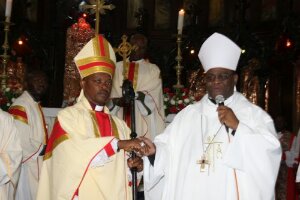
+ For protection for church leaders on Zanzibar and Pemba islands
+ Give thanks for freedom to preach the gospel. Pray that Christians will have courage to share God’s love with Muslims.
PERSECUTION DYNAMICS:
The Zanzibar archipelago makes up only a very small part of Tanzania and has a president and a semi-autonomous political structure, separate from the mainland political system. Tanzania is a Christian majority country with a very substantial Muslim population. There is a strong Islamist drive towards the Tanzanian ‘House of Islam’.
The situation for Muslim-background believers is difficult but not extreme. The state hasn’t declared Islam as a prescriptive national religion and local governments seem to respect this rather well. However, Muslim-background believers have still been forced to flee their homes, and had their spouses forcefully married to another Muslim.
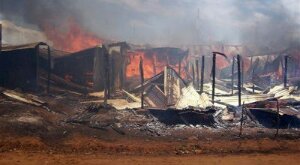
In Zanzibar there was serious violence, driven by ‘Vugu vugu la uamsho’ (‘Revival Movement for the Preservation of Islam’). It claimed to be wiping out all Christians from the Zanzibar archipelago, mainly Zanzibar Island. Churches were burnt, church property looted and Christians, especially church leaders, were threatened with death.

The Zanzibar archipelago is a very serious instigator of hostilities against Christians, not only on the islands but also on mainland Tanzania. They have strong Islamic militant groups that often persecute Christians heavily.
On mainland Tanzania the push for the further spread of Islam is less violent but equally persistent. Part of this push is through the constitutional review process, and strategic infiltration of main sectors of society. If the push for secession succeeds, the presence of the church on Zanzibar and Pemba Islands is likely to be reduced to (nearly) zero. The frantic moves of Islamists in mainland Tanzania will continue. For the church, this means difficult times are likely to be ahead.
RECENT DEVELOPMENTS
Tanzania was once celebrated as a role model for peace in Africa, but is no longer being considered ‘safe’ after an increase in inter-faith violence, with little evidence so far of perpetrators being brought to justice. A blast outside St Joseph’s Roman Catholic Church in Arusha, a town popular with tourists visiting the Serengeti national park and Mount Kilimanjaro, was just the most recent example.
The newly built church, in the Olasti district on the outskirts of Arusha, was celebrating its first ever mass at the time of the attack, which left three dead and more than 60 injured.
Tension has been building between the two most populous religious communities in Tanzania – Christians comprise 62 percent of the population, while 35 percent is Muslim (Pew, 2010).

In Zanzibar, which is 97 percent Muslim, arsonists burned the Evangelical Church of Siloam on February 19, two days after gunmen killed a Catholic priest, Father Evaristus Mushi, in the Motni area of the island.
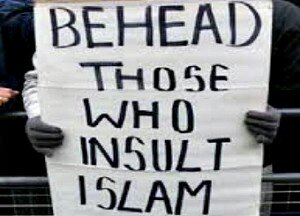
Earlier that month, an Assemblies of God minister, Pastor Mathayo Kachili, was hacked to death in the Geita region of Lake Victoria, when he intervened in an altercation between villagers over the slaughter of an animal, after the local government had granted Christians the right to practice as butchers.

 The Peanut Gallery