A priest reader sent this my way and he said he found it “sobering.”
I find it devastating.
The music: Procession (The Trisagion) by St. Symeon Orthodox Church Trio “Antiphony” from the album Their Souls Shall Dwell With the Blessed: A Service For Those Who Have Fallen Asleep.
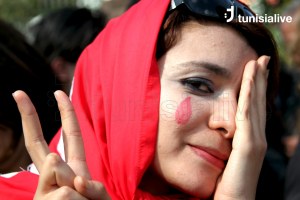
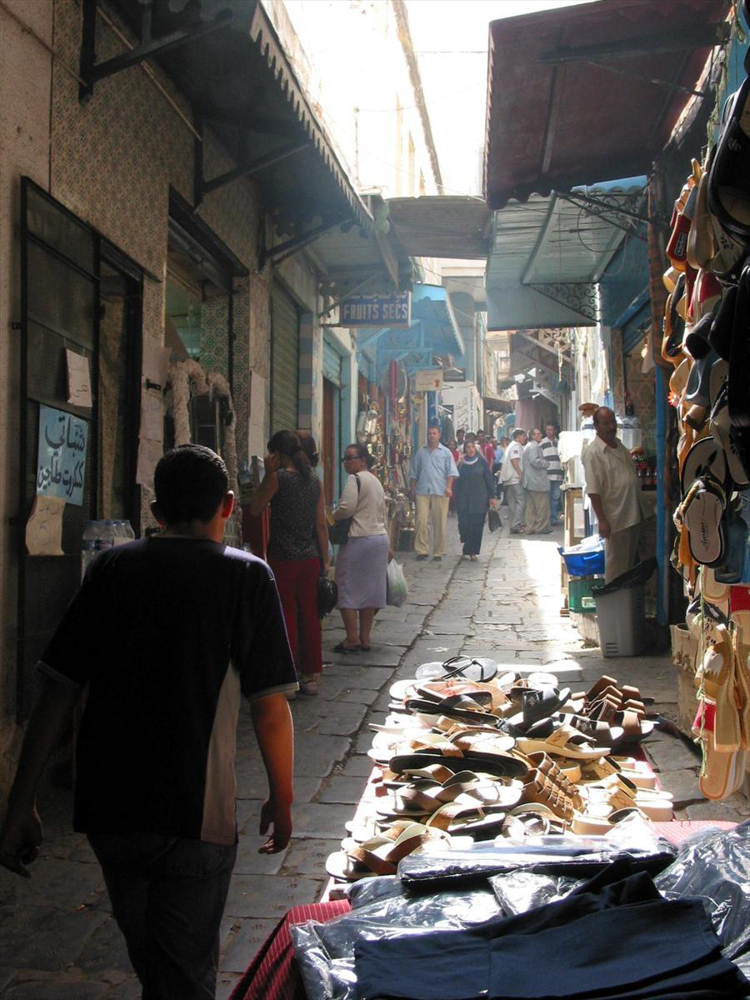
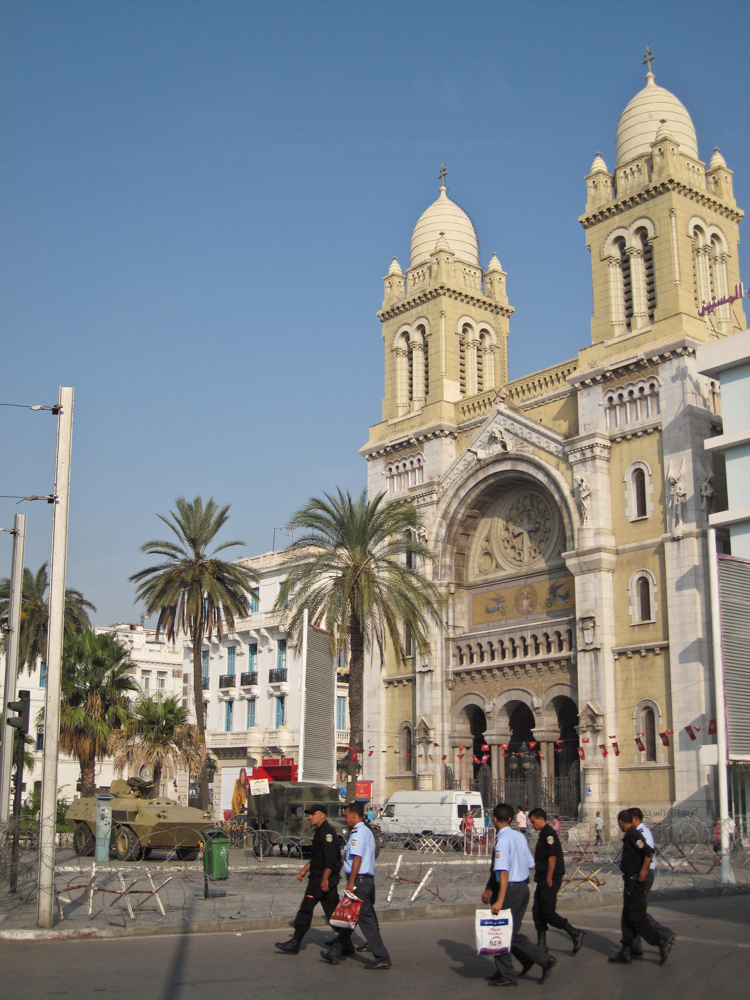
Population: 10.7 million (24,000 Christians) Main Religion: Islam Government: Republic Source of Persecution: Islamic extremism
Under former President Ben Ali, Tunisia was a secular country in which timid expressions of Christianity were tolerated. Now, Christians face increasing persecution from the moderately Islamic government and from aggressive Salafist groups. Expat churches face few problems, but local Muslim-background believers face pressure from society, and may be questioned and beaten once their conversion is known. The secular legal system remains in place, but the government is moving towards implementing Islamic law. Despite the increasing pressure, the small indigenous church is growing slowly.
PLEASE PRAY:
Radical Muslims are returning to the country and spreading extremist messages. Pray that their influence will not spread
The economy is in a bad state and unemployment is growing. Pray for wisdom for the government
Importation of Christian books in the Arabic language is obstructed. Ask God to protect Open Doors co-workers distributing Bibles in the country.
Tunisian Christians experience increasing pressure at the private and family level and pressure is clearly greater for those who come to Christ from a Muslim background than for the few expat churches. The secular legal system remains in place, but this is likely to change as the country’s Islamic government is taking steps towards the implementation of Sharia (Islamic law). Although the constitution currently respects freedom of religion, importing Christian books is obstructed, national churches cannot register and local Christians are questioned and beaten once their conversion is known.
Tunisia needs a new political system; the economy is in a bad state, unemployment is growing and tourism levels have dropped. Radical Muslims are returning to the country and spreading extremist messages. The rise of Salafism is also a stressful development for many believers. With political developments looking grim and Islamic movements getting stronger, the situation of the small Christian population in the country has deteriorated and is not expected to improve. However, on a positive note, the small indigenous church seems to be growing slowly.
Things have changed in Tunisia after the Arab Spring first erupted in this North-African country. Dictator Ben Ali is gone and the elections were held with a landslide win for the Islamists. Christians see a greater spiritual openness than ever before in the country, and see discipleship as the principal need at this moment.
The Tunisian Church has already been changing for the last fifteen years. Till the end of last century, there were only house groups of Christians active in this North-African country. Now churches choose to be visible. Last year the church especially grew outside the capital Tunis.
“Coming more to the surface seems to have strengthened the Christians,” explains an Open Doors field worker. Self-awareness grew and the level of fear went down. Now you can see during the Saturday services interested people coming in from the street, attracted by curiosity of what is going on in the churches. We see Church engaging with society. Groups of Christians meet in several smaller cities in Tunisia.” Tunisian Christians see a strong response to the gospel. “I heard of people accepting Christ while escaping teargas,” the field worker. says.
We also spoke with Raatib*, a Christian that doesn’t hide his faith. Raatib is discipling two groups of young Christians in two different cities. He travels a great distance to these places to be able to give the training to the new believers. He is using Open Doors training material. “The church needs discipleship in any way or form, it is by far the most prevalent need for the church,” he says with conviction.
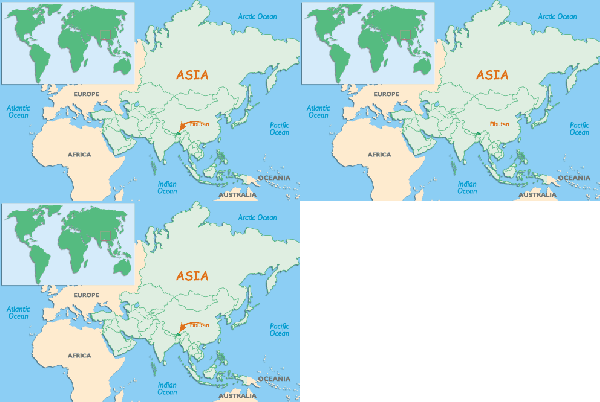
Population: 750,000 (20,000 Christians) Main Religion: Mahayana Buddhism Government: Constitutional monarchy Source of Persecution: Religious militancy/tribal antagonism
Despite its transition from absolute to constitutional monarchy, Buddhism continues to play a dominant role in Bhutan. The constitution promotes religious tolerance, but parliament is still considering an amendment to the penal code aimed at prohibiting ‘conversion by coercion or inducement’. Christians can generally meet in private homes without government interference, but the authorities restrict the construction of non-Buddhist places of worship and the celebration of some non-Buddhist festivals. Although reports of Christians being arrested or physically harmed are decreasing, believers still face harassment.
PLEASE PRAY:
The media portrays Christians negatively. Pray for positive change in society’s attitude to Christianity
The church lacks trained leaders. Pray for training opportunities for pastors and church workers
That the transition to a more democratic rule would bring genuine change for religious minorities.
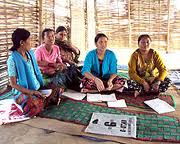
[Local Bhutanese spinning the prayer wheels at a monastery in Bumthang during a mass noviciation ceremony, as seen on a Cox & Kings holiday (www.coxandkings.co.uk)]
PERSECUTION DYNAMICS
Bhutan was a Buddhist kingdom for centuries and even now, after introducing a constitutional monarchy and democracy, Buddhism plays a dominant role. The monarch is deemed to be the protector of all faiths in Bhutan, which includes Hindus and a small, albeit increasing, number of Christians. However, there is a lot of pressure on Christians from the local community, especially local administrators who deny meetings and put obstacles in the way of believers. Although the constitution of Bhutan promotes secularism and religious tolerance, it also labels Buddhism as the ‘spiritual heritage’ of the country.
The church in Bhutan is no longer an underground church and Christians are able to meet in private homes on Sundays, generally without interference from the authorities. Reports of Christians being arrested, physically harmed or otherwise badly treated remain on the decline but they still face harassment. The media has not helped the Christians’ case and Christianity is viewed as a religion that brings the sort of chaos and division in society that Bhutan shuns.
ANECDOTAL REPORT:
Karen*is a Christian teenager in Bhutan and has asked us to pray for her parents who are non-Christians. “My mom and dad are still orthodox Hindus,” she said. “Please continue praying for them.”
After finishing high school, Karen took a job at a beverage factory and moved out of her home town. She is staying at a cousin’s place at one of the border areas in southern Bhutan, where Hindu communities thrive. In her new surroundings, Karen’s newfound hope is tested.
“My uncle’s eldest son beat me when he discovered I was a Christian,” Karen says. “Please pray for him too; pray that he discovers the Lord Jesus Christ.” But Karen does not give up her faith. She continues attending the house church in her new village.
Karen’s steadiness in the faith has been evident also at work, and she was promoted as a result. “From the packaging section, I am now assigned to work at the counters. May God continue to grant me favor.”
Please continue to pray for Karen as she grows in her faith, despite the persecution that she faces.
*Karen’s real name and other details about her are withheld for her security. She is the only Christian in her family.
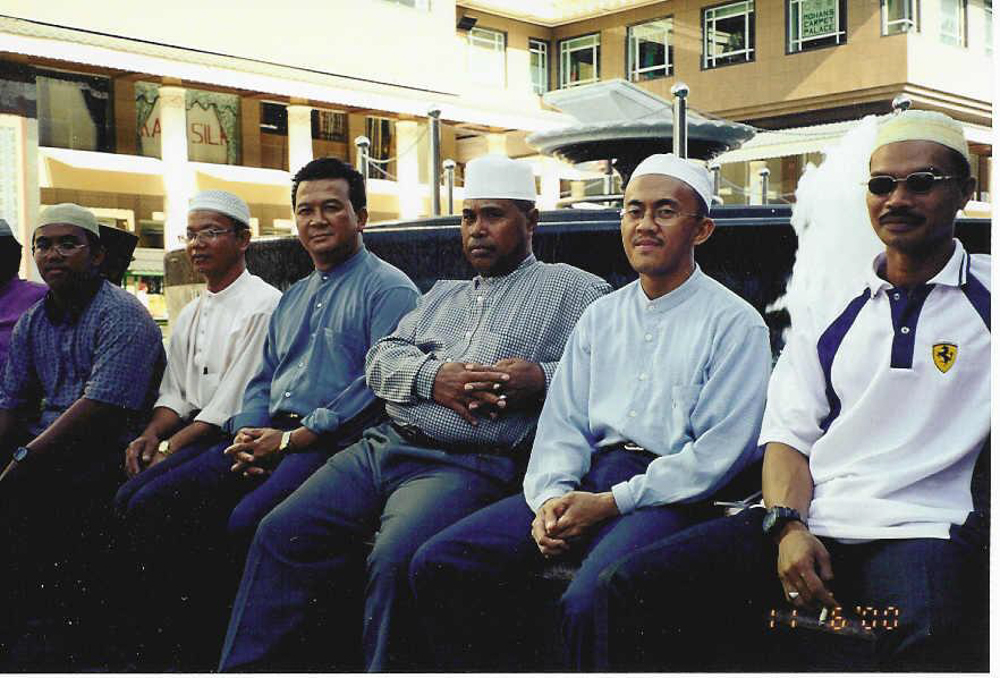
Population: 413,000 (41,300 Christians) Main Religion: Islam Government: Constitutional Sultanate Source of Persecution: Islamic extremism /tribal antagonism
Contact with Christians in other countries, the import of Bibles and the public celebration of Christmas are all banned in this Islamic nation. The monarchy is seen as the defender of the faith and Islamic law has been fully implemented since 2011. There is a programme of Islamisation for natives. Muslim-background believers can face hostility from family and community. The government recognises only three Catholic and three Anglican churches; unregistered churches are considered ‘illegal sects’ and are monitored by government officials.
PLEASE PRAY:
The level of fear among Christians is very high. Pray for courage to stand firm in the faith
Christian bookshops are not allowed. Pray that believers and seekers will gain access to God’s Word
The Sultan has announced that from 2013, Islamic religious studies will become a compulsory subject in schools. Pray that children will have the opportunity to hear the gospel.
PERSECUTION DYNAMICS:
Brunei is an Islamic nation, based on an ideology called Malay Muslim Monarchy. Islam governs all aspects of life here. By decree, contact with Christians in other countries, the import of Bibles and the public celebration of Christmas are all banned. There is a programme of Islamisation for locals, and those entering a tribal village are monitored by government spies and police. Family, friends and neighbours can become sources of hostility for Muslim-background believers.
The church is not able to function freely and churches are ‘spied on’ by government officials. Providing theological training is difficult and Christian bookshops are not allowed. The level of fear among Christians is very high. There are six Christian schools but they face pressure to remove Bible studies from the curriculum. Recently, the Sultan announced that from 2013 Islamic religious studies will become a compulsory subject in schools. As long as the ruling monarch perceives himself as defender of the faith and the governing authorities execute his will, the Christian minority will be neglected and discriminated against.
MORE BACKGROUND:
The Sultan of Brunei, (also known as Hassanai Bolkiah Mu’izzaddin Waddaulah) has an estimated net worth of $20 billion.
Brunei Darussalam, what means “Brunei, house of peace”, is a very small country on the Island of Borneo, bordering the much larger Malaysia. It is a young country as well, as it became fully independent from British rule in 1984, though its constitution was agreed on in 1959. Due to large oil and gas findings dating back as far as 1924, it is among the wealthiest nations on earth. In terms of GDP per capita, it ranks fifth worldwide and reportedly is one of only two nations without public debts.
Though Brunei is an ethnically mixed society with a large Chinese minority, approximately 2/3 of the population is Malay. The legislative council meets once a year in a strict advisory capacity, which means that politics are done largely by the Sultan and by the addresses he gives. As head of religion, the Sultan is called to protect the official religion of the country, Islam. All adherents of other religions may practice their faiths in peace and harmony, according to the constitution, but the country discourages practicing other faiths, and promotes Islam in all spheres of life. The recent announcements of the Sultan point to a stricter conservatism, as he introduced obligatory Islamic religious studies for all schools.
Peanut Gallery: I’ve fallen behind Open Doors’ posting of their weekly World Watch List update. So the plan is to post an update on Monday and Thursday until I catch up (they are on wk 30). Of course, you can go directly to their USA (here) or UK (here) website any time for the latest information and much more.
Population: 8.1 million (400,000 Christians) Main Religion: Islam Government: Federation Source of Persecution: Islamic extremism
Around 80 per cent of the population here are expats. The constitution provides for some religious liberty, but the law denies Muslims the freedom to change religion. Muslim-background believers may be pressured to return to Islam, hide their faith or leave the country. Non-Muslim groups can worship freely in dedicated buildings or private homes, but the government restricts the development of worship facilities for foreign Christians. Open evangelism is prohibited, but Christians in the country have many opportunities for Muslim–Christian dialogue.
PLEASE PRAY:
There are very few local believers. Pray for opportunities to meet for fellowship
That Christians will make the most of every opportunity to share the gospel
For Open Doors partners providing support and training to expat Christians.
PERSECUTION DYNAMICS:
The United Arab Emirates is one of the most liberal countries in the Gulf. The constitution provides for religious freedom on the condition that established customs, public policy or public morals are not violated. Expats enjoy some freedom but also face restrictions, especially migrant workers from developing countries. Evangelism is prohibited, but non-Muslim groups can worship freely in dedicated buildings or private homes. However, the government places restrictions on the development of worship facilities for Christian migrants.
Muslim-background believers suffer the most persecution. All citizens are defined as Muslims and the law denies Muslims the freedom to change religion under penalty of death. To avoid death, social stigma or other penalties, converts may be pressured to return to Islam, to hide their faith or to travel to another country where their conversion is allowed.
Though the Arab Spring did not have much effect in the United Arab Emirates, the latest developments in the Middle East have led the local people to question what good leadership is.
TOP TEN THINGS TO KNOW ABOUT THE UAE (what life is like for Christians)
Around 80 percent of the population here are expats
The constitution provides for some religious liberty, but the law denies Muslims the freedom to change religion.
Muslim Background Believers may be pressured to return to Islam, hide their faith or leave the country.
Non-Muslim groups can worship freely in dedicated buildings or private homes, but the government restricts the development of worship facilities for foreign Christians.
Open evangelism is prohibited, but Christians in the country have many opportunities for MuslimChristian dialogue.
Though there are some expat Christians, there are very few indigenous believers.
The constitution and laws are fairly new, as the UAE gained its independence in 1971.
The UAE is often seen as one of the most Westernized and liberal countries in the Middle East, but there are still a great number of restrictions for religious minorities.
Since 2006, the standard weekend has been Friday and Saturday. This was established as a compromise between the Muslim holy day (Friday) and the Western weekend (Saturday and Sunday)
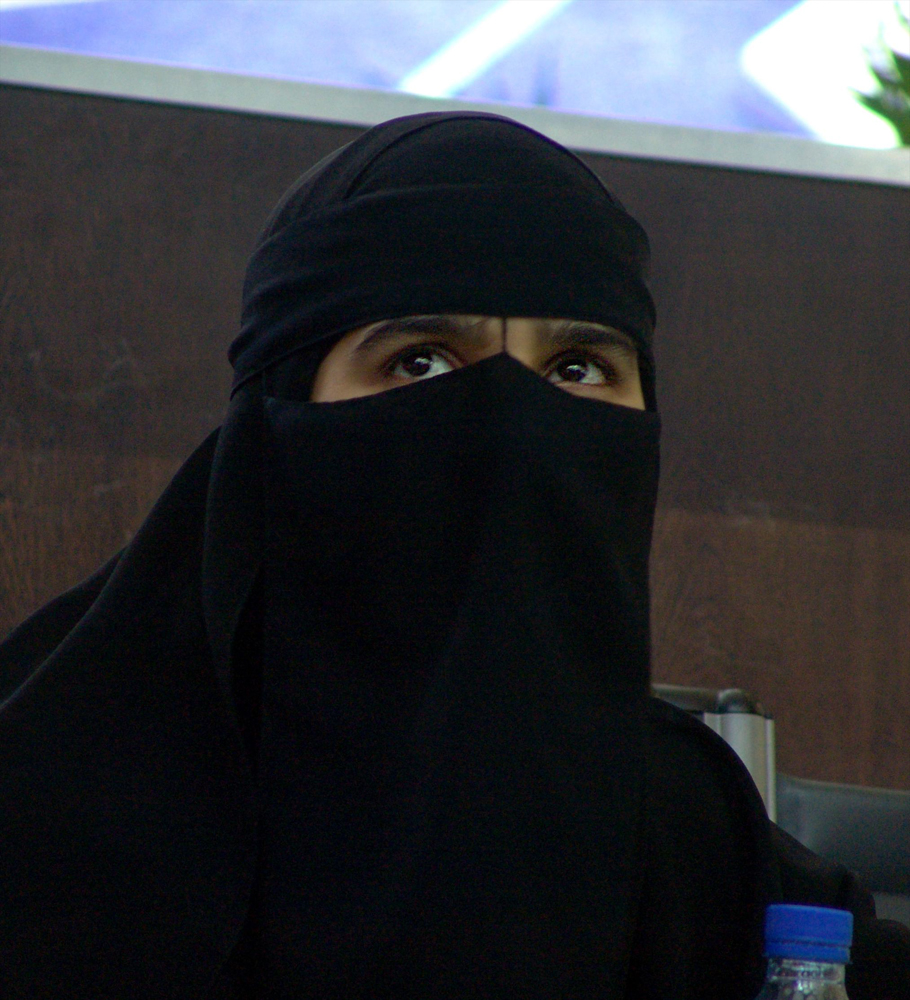
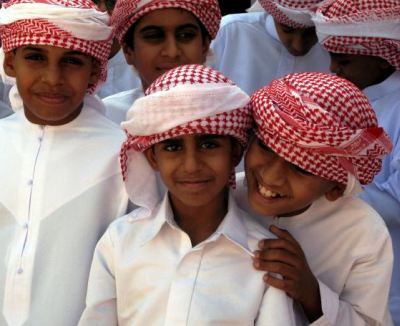
Emirati typically wear a kandura, which is an ankle-length white tunic. Many Emirati women wear an abaya, which is a black over-garment, covering most parts of their body
 You can’t watch this video and be unmoved by the plight of Egypt’s Christians





 The Peanut Gallery