What is Maundy Thursday?
What do Christians Celebrate on Maundy Thursday?
By Mary Fairchild, About.com Guide
Maundy Thursday is observed during Holy Week on the Thursday before Easter. Also referred to as “Holy Thursday” or “Great Thursday” in some Christian denominations, Maundy Thursday commemorates the Last Supper when Jesus shared the Passover meal with his disciples on the night before he was crucified. In contrast to joyful Easter celebrations when Christians worship their resurrected Savior, Maundy Thursday services are typically more solemn occasions, marked by the shadow of Jesus’ betrayal.
While different denominations observe Maundy Thursday in their own distinct ways, two important biblical events are the primary focus of Maundy Thursday solemnizations:
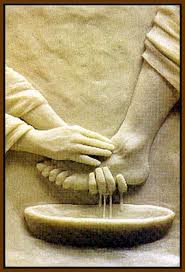
 Before the Passover meal, Jesus washed the feet of his disciples. By performing this lowly act of service, the Bible says in John 13:1 that Jesus “showed them the full extent of his love.” By his example, Jesus demonstrated how Christians are to love one another through humble service. For this reason, many churches practice foot-washing ceremonies as a part of their Maundy Thursday services.
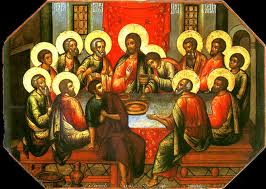 During the Passover meal, Jesus took bread and wine and asked his Father to bless it. He broke the bread into pieces, giving it to his disciples and said, “This is my body, given for you. Do this in remembrance of me.” Then he took the cup of wine, shared it with his disciples and said, “This wine is the token of God’s new covenant to save you–an agreement sealed with the blood I will pour out for you.”
These events recorded in Luke 22:19-20 describe the Last Supper and form the biblical basis for the practice of Communion. For this reason, many churches hold special Communion services as a part of their Maundy Thursday celebrations. Likewise, many congregations observe a traditional Passover Seder meal.
What Does “Maundy” Mean?
Derived from the Latin word mandatum, meaning “commandment,” Maundy refers to the commands Jesus gave his disciples at the Last Supper: to love with humility by serving one another and to remember his sacrifice.

 Second Station: Jesus is betrayed by Judas and arrested


 The Peanut Gallery